LX Pantos opens logistics technology lab in South Korea
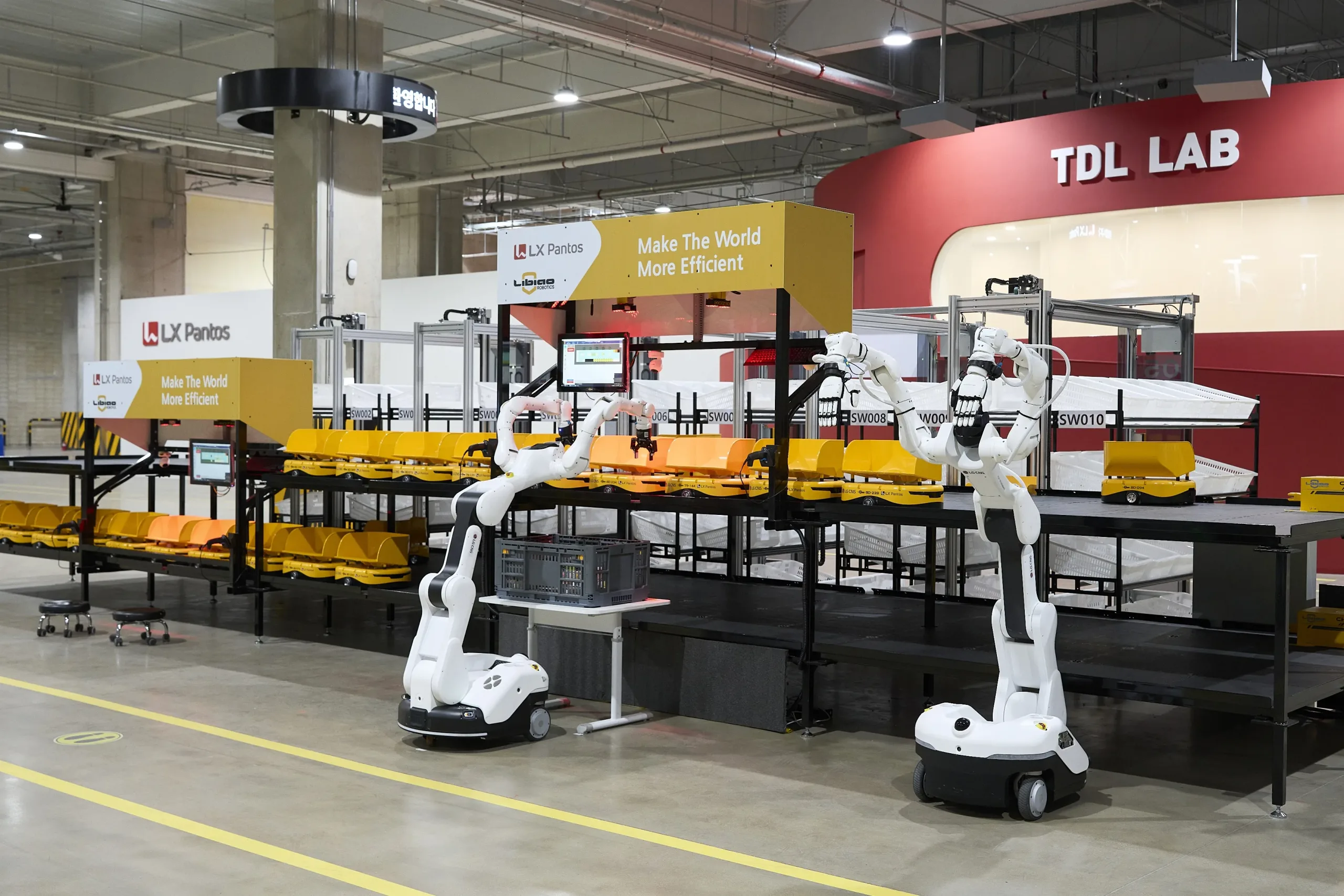
LX Pantos has opened a technology testing facility at its MegaWise Cheongna Logistics Center in Incheon, South Korea, as the company develops automation and artificial intelligence applications for warehouse and contract logistics operations.
The facility, known as the Technology-Driven Logistics (TDL) Lab, will be used to test robotics, software and AI-based systems before their potential deployment across the company’s logistics network.
The initiative forms part of LX Pantos’s efforts to develop new operating models for logistics centres, with an emphasis on automated cargo handling, warehouse processes and equipment coordination.
Testing robotics and warehouse automation
The TDL Lab operates as a testing environment where LX Pantos and its technology partners can assess equipment performance and examine how different systems could be integrated into logistics operations.
The technologies under evaluation include autonomous mobile robots, automated guided vehicles, robotic arms, artificial intelligence and digital twins.
Applications range from storage and order picking to parcel sorting, pallet handling and container loading and unloading.
The company is also examining autonomous cargo movement between warehouse floors and vision-based systems for picking and inspection.
LX Pantos said the laboratory will help determine which technologies are suitable for specific operational requirements before wider implementation.
Seven technology partners involved
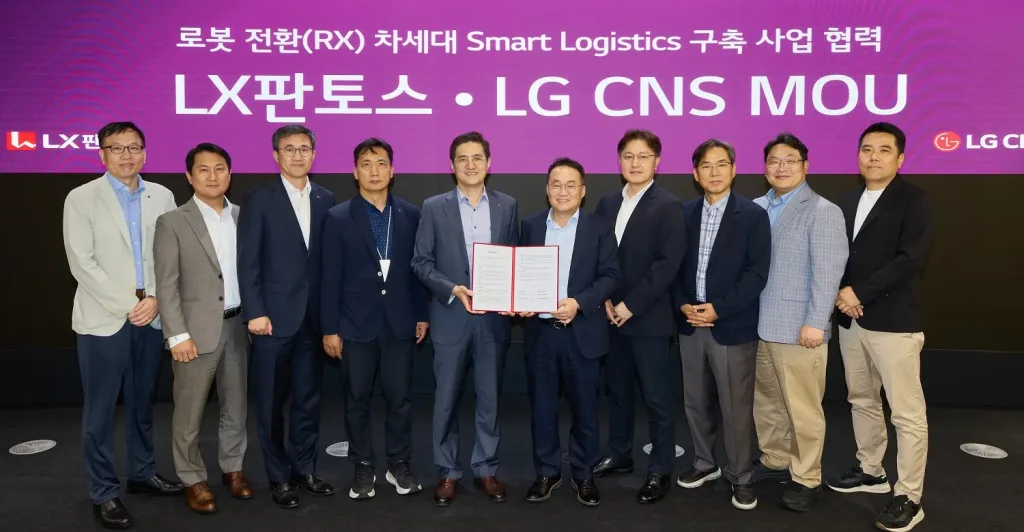
The initiative is supported by agreements with seven technology companies: LG CNS, Hai Robotics, Libiao Robotics, XYZ Robotics, SUM, Twinny and Deepfine.
The collaboration programme began in April 2026, with LX Pantos signing memoranda of understanding covering warehouse automation, robotics integration, autonomous transport and related technologies.
LG CNS is involved in automation systems integration, while Hai Robotics and Libiao Robotics focus on storage, picking and sorting applications. Other partners contribute robotic handling systems, autonomous mobility and vision-based technologies.
LX Pantos plans to develop its logistics operations through three stages, beginning with facilities where employees and robots work together, followed by fully unmanned operations and, ultimately, intelligent logistics centres.
These stages represent the company’s longer-term development plans rather than capabilities already deployed throughout its network.
No investment value or timetable for the wider rollout of the technologies was disclosed.