ABS and Constellation explore battery storage for offshore drilling vessels
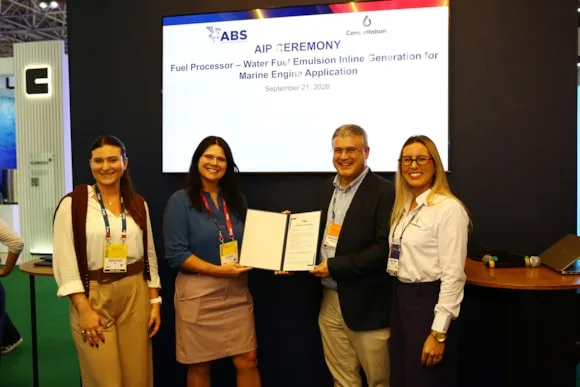
The companies will assess energy storage and integrated power systems, while ABS has separately granted preliminary approval for a fuel-processing design.
American Bureau of Shipping (ABS) and offshore drilling contractor Constellation have signed a memorandum of understanding to examine the potential use of battery energy storage systems aboard a Constellation drillship.
The agreement, signed during ROG.e 2026 in Rio de Janeiro, will focus on the feasibility of integrating energy storage with the vessel’s existing power generation systems.
The study will also assess closed-bus operations, an arrangement that allows generators to operate as part of a connected electrical network rather than in isolated groups.
According to ABS, combining these technologies could improve generator utilisation, reduce the number of engines required during certain operations and strengthen power system resilience.
Study to assess integrated power operations
Offshore drilling vessels operate with complex electrical systems that must support demanding and variable power requirements.
Under the agreement, ABS and Constellation will evaluate whether closed-bus configurations and battery storage could improve the efficiency of onboard electricity generation.
The proposed approach could allow generators to operate more efficiently by adjusting the number of engines running according to operational demand.
Energy storage could also provide additional flexibility in managing power requirements during drilling operations.
However, the companies have not announced a final installation decision, implementation schedule or expected investment.
The potential benefits, including lower fuel consumption and reduced emissions, remain subject to the outcome of the technical assessment.
ABS grants preliminary approval for fuel-processing technology
Separately, ABS presented Constellation with an Approval in Principle (AiP) for a fuel-processing system designed for the Laguna Star drillship.
The proposed system would mix water with fuel before it enters the engine, using an inline emulsification process intended to improve fuel efficiency and reduce emissions.
The AiP represents a preliminary assessment of the proposed design rather than confirmation that the technology has been installed or demonstrated operational performance.
Constellation is examining these technologies as part of its broader efforts to improve energy efficiency across its offshore drilling operations.
The announcement did not provide quantified fuel savings, emissions reductions or a timeline for deploying either technology.