DNV secures Japanese approval for floating offshore wind classification
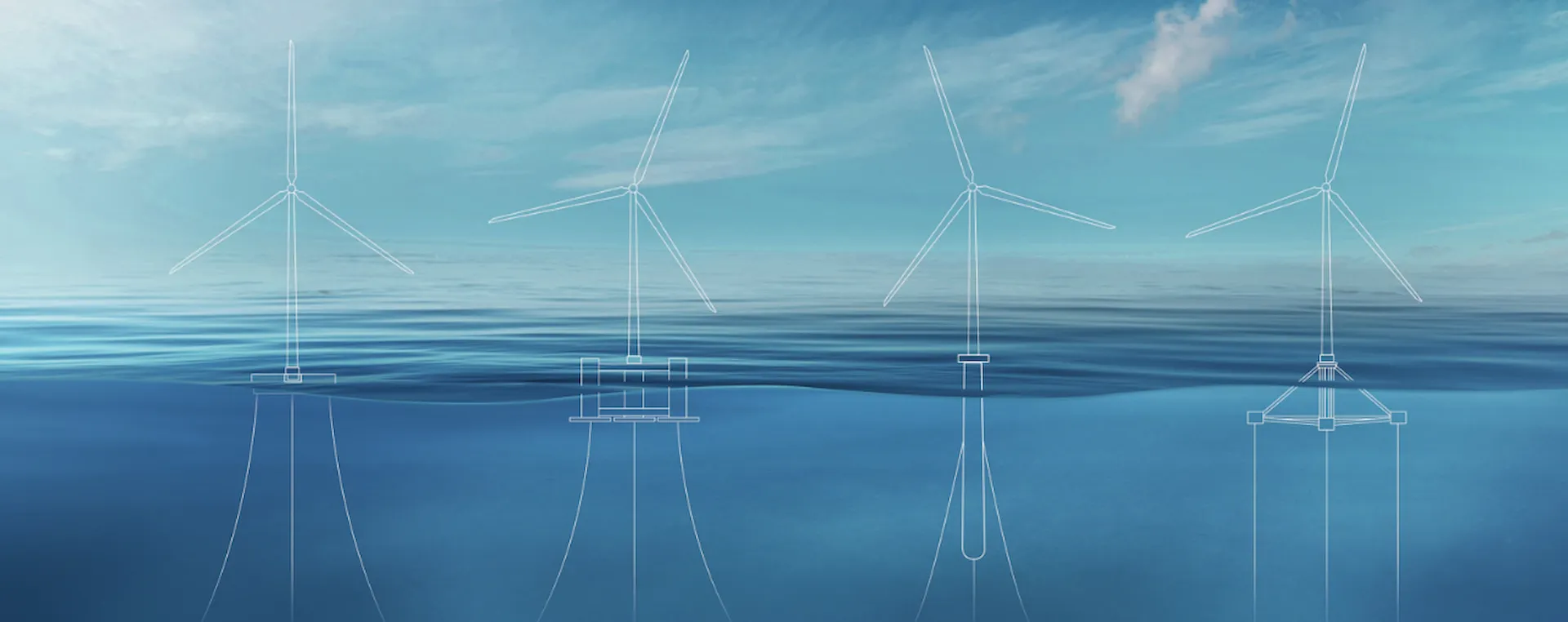
DNV has received authorization from the Japanese Flag Administration to apply its floating offshore wind classification rules in Japan, marking a regulatory development for the country’s emerging offshore renewable energy sector.
According to the company, the approval makes DNV the first non-Japanese Recognized Organization permitted to apply its floating offshore wind rules within Japan’s regulatory framework. The authorization enables DNV to support developers and other industry stakeholders with technical classification services as floating wind projects progress.
The development also strengthens the company’s position in Japan’s maritime and offshore industries, where deep-water conditions have increased interest in floating wind technologies.
Authorization covers floating structures and mooring systems
DNV’s classification framework covers key components of floating offshore wind installations, including floating substructures, mooring arrangements, station-keeping systems and associated safety and utility systems.
These technical requirements are intended to support the assessment of floating wind installations and provide a consistent framework for evaluating their structural integrity and operational safety.
The authorization allows DNV to apply its established rules within the Japanese regulatory environment, drawing on its international experience in offshore wind classification and technical assurance.
The approval follows cooperation between DNV Japan, the company’s international technical specialists and Japanese authorities.
Japan strengthens its floating offshore wind framework
Japan is considered a market with significant long-term potential for floating offshore wind development, supported by its extensive coastline and deep surrounding waters.
Unlike conventional offshore wind installations, which typically rely on foundations fixed to the seabed, floating turbines use buoyant structures secured through mooring and station-keeping systems.
These technologies can support offshore wind development in deeper waters where fixed-bottom installations may be less practical.
DNV’s authorization introduces an additional internationally established classification framework for stakeholders involved in Japan’s floating offshore wind sector.
The company said its approval also creates opportunities to contribute technical expertise, risk management, independent assurance and certification services as the market develops.
DNV expands its role in offshore energy
The authorization builds on DNV’s longstanding involvement in offshore wind projects and its wider activities across maritime classification, technical standards and advisory services.
It also reflects continued cooperation between Japanese and Norwegian stakeholders in the maritime and offshore energy industries.
However, the approval does not represent the award of a specific floating offshore wind project or the announcement of new generation capacity.
Instead, it establishes the regulatory basis for DNV to apply its floating offshore wind classification rules in Japan, potentially supporting future projects as the sector advances.