Peel Ports advances port-centric logistics strategy for UK construction
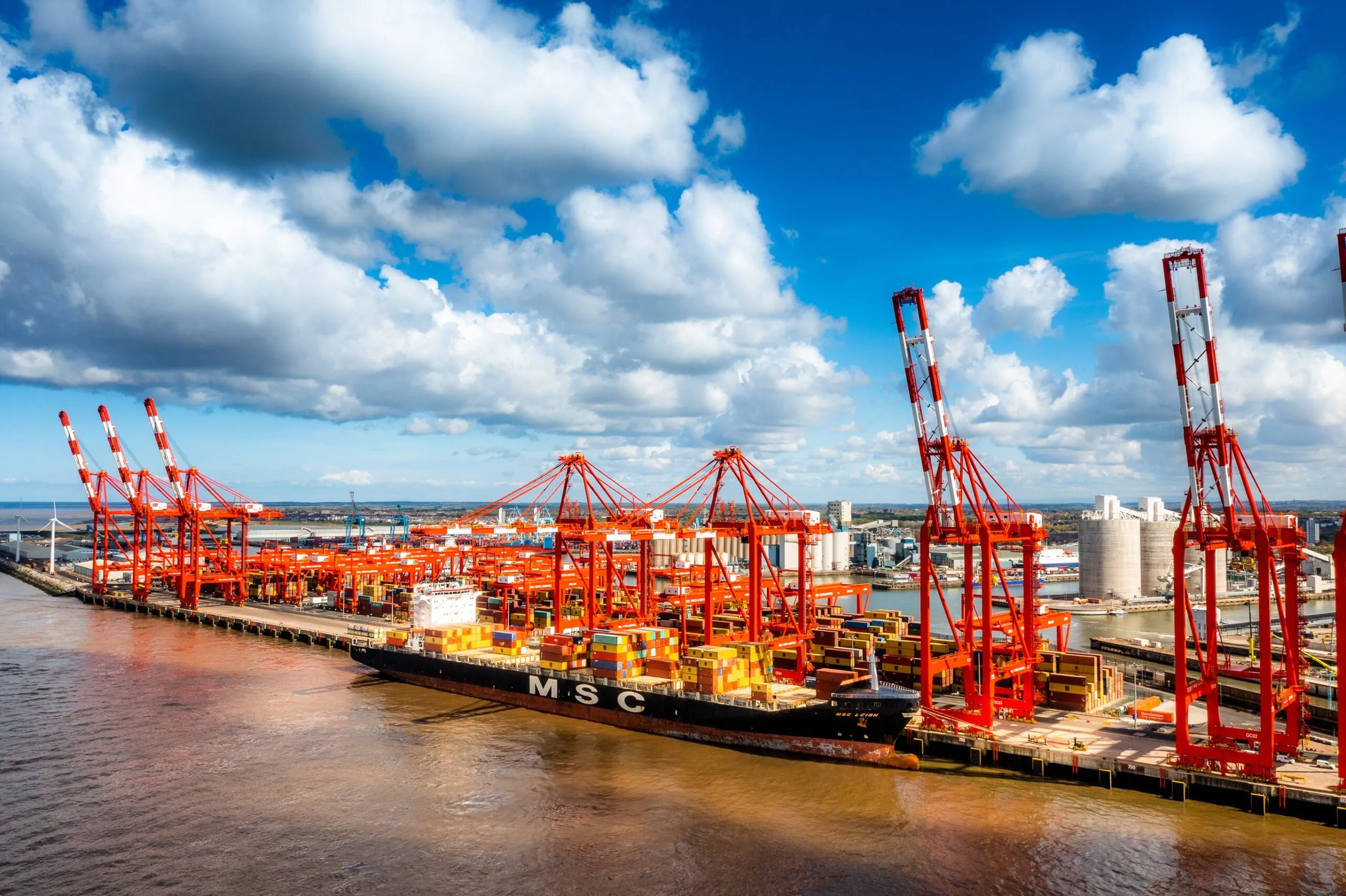
Peel Ports Group is advancing its Port-to-Project logistics strategy, positioning its UK port network as a central part of construction supply chains through the consolidation, storage and onward distribution of building materials.
The approach seeks to improve the movement of construction cargo by using port facilities as logistics hubs, reducing reliance on traditional inland distribution arrangements. It forms part of the group’s wider strategy to strengthen connections between maritime transport, construction materials suppliers and major infrastructure projects.
David Huck, Chief Executive Officer of Peel Ports Group, outlined the strategy in comments published on 22 October, highlighting changes in the UK construction market, including rising material costs, labour shortages and increased reliance on imported materials.
According to Huck, these developments are creating opportunities for ports to play a greater role in managing the movement of construction materials, particularly where projects require substantial volumes of aggregates, cement, steel and other heavy cargo.
Developing port-based construction logistics hubs
A central element of the Port-to-Project strategy is the development of what Peel Ports describes as virtual quarries, port-based facilities that bring together the storage, consolidation and processing of construction materials.
The concept allows large volumes of materials to arrive by sea before being distributed to construction sites through suitable transport connections. It is intended to support infrastructure projects requiring time-sensitive deliveries, including oversized components and heavy building materials.
Peel Ports has been working with companies in the aggregates and cement sectors to establish these port-centric logistics arrangements.
The group is also exploring opportunities to expand the activities undertaken within its port estates, including concrete batching and casting, rather than transporting materials inland for these processes.
Huck said the model could help reduce transportation costs, emissions and congestion by consolidating larger cargo volumes at deep-water ports and coordinating their onward movement.
The strategy reflects changes in the construction materials market, which Huck said has experienced consolidation, increased imports and greater use of coastal shipping over recent years.
Integrating maritime and rail transport
Peel Ports is also developing its Sustainable Construction Partner programme, which seeks to strengthen collaboration between construction materials suppliers, logistics providers and end users.
The initiative includes a pilot hub at the Port of London Medway, supporting infrastructure developments such as the Lower Thames Crossing.
The facility provides an arrangement for stockpiling construction materials and moving them through maritime and rail connections, offering an alternative to supply chains that depend primarily on heavy goods vehicles.
Among the group’s other multimodal initiatives is the proposed Port of Warrington development, a £350 million freight terminal scheme that includes plans to reinstate a rail freight connection directly to the West Coast Main Line.
The project forms part of Peel Ports’ wider efforts to strengthen rail connectivity and establish additional transport options for cargo moving between port facilities and inland destinations.
Peel Ports has also identified its North West port assets, including the Port of Liverpool, as strategically positioned to support the HyNet North West carbon capture, utilisation and storage initiative.
Infrastructure investment supports long-term strategy
The Port-to-Project approach is linked to Peel Ports’ broader programme of infrastructure development and renewal.
In June 2025, the group awarded general and marine construction frameworks valued at up to £750 million, scheduled to operate until 2033. The frameworks cover activities including roadworks, drainage, earthworks, railway infrastructure, warehouses, quay walls and marine structures.
The group has also outlined a £100 million expansion of its steel and metals multimodal hubs, alongside improvements to Ro-Ro berths and heavy-lift facilities.
These projects sit within a wider infrastructure strategy intended to support the handling and distribution of industrial and construction cargo through the group’s port network.
Peel Ports has committed to achieving net-zero operations by 2040 and is pursuing measures to increase the use of maritime and rail transport within its logistics activities.
Through its Port-to-Project model, the company aims to strengthen the role of ports in construction supply chains, bringing cargo handling, material storage and distribution closer to the infrastructure projects they serve.