Korean Air completes smart cargo terminal upgrade at Incheon
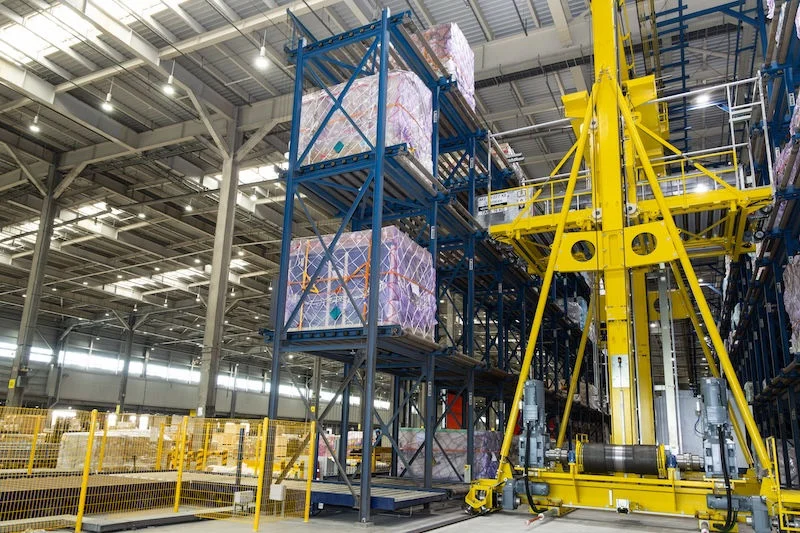
Korean Air has completed the modernization of its cargo terminal at Incheon International Airport, introducing automated logistics technologies designed to improve cargo handling efficiency, operational precision and overall terminal capacity.
The project, carried out between June 2025 and September 2026, has transformed the facility into a next-generation Smart Cargo Terminal, integrating automated transport equipment and upgraded cargo transfer infrastructure.
The modernization was completed while maintaining ongoing cargo handling operations, allowing the airline to introduce new technologies without interrupting terminal services.
Automation increases cargo handling capacity
A central element of the upgrade is the introduction of Automated Guided Vehicles (AGVs) and new Elevating Transfer Vehicles (ETVs), which support the movement and handling of cargo within the terminal.
Korean Air has also expanded its automated transfer infrastructure from a single line to two lines, integrating the upgraded system with the new ETV equipment.
As a result, the terminal’s hourly Unit Load Device (ULD) processing capacity has increased from 18 to 30 units, representing an improvement of approximately 67%.
The airline expects the modernization to increase the facility’s overall cargo handling capacity by more than 25%, although this figure remains a projected operational benefit.
Alongside the automation programme, Korean Air is expanding specialized cargo handling facilities to accommodate shipments requiring dedicated infrastructure and handling procedures.
Smart technologies improve operational efficiency
The modernization also aims to reduce manual handling requirements and improve workplace conditions through greater automation of heavy equipment.
By introducing automated cargo movements and reducing manual intervention, the airline expects to improve operational consistency and handling precision.
The new systems are designed to support cargo processing activities while providing a more efficient working environment for terminal personnel.
The project forms part of Korean Air’s wider efforts to modernize its air cargo infrastructure and strengthen the integration of automated logistics technologies across its operations.
Korean Air advances JFK cargo terminal modernization
Following the completion of the Incheon project, Korean Air is continuing the modernization of its cargo terminal at John F. Kennedy International Airport in New York.
The airline is targeting completion of the JFK upgrade in 2027, extending its infrastructure modernization programme to another major international cargo gateway.
The Incheon development represents a completed investment in automated cargo handling, while the JFK project remains underway.
Together, the initiatives reflect Korean Air’s focus on improving cargo terminal efficiency and supporting future demand through infrastructure upgrades and greater use of automation.