Flex LNG reports lower quarterly earnings amid uncertain LNG carrier market
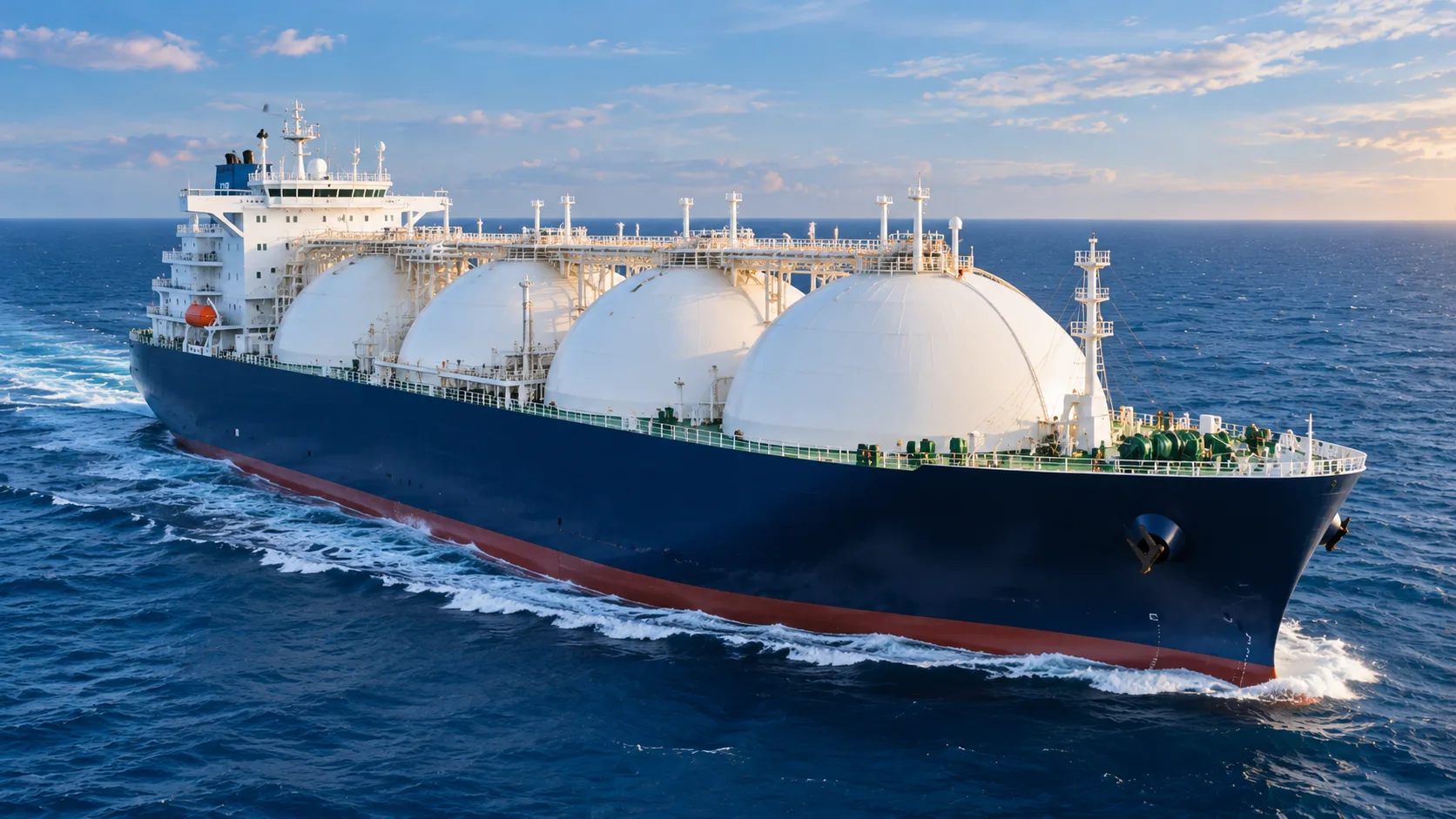
Flex LNG reported lower vessel operating revenues and earnings in the third quarter of 2026 compared with the previous quarter, while warning that the LNG carrier spot market could remain subdued and volatile through the remainder of the year.
The LNG shipping company generated vessel operating revenues of $97.4 million during the three months ended 30 September, compared with $106.8 million in the second quarter. Net income declined to $42.8 million from $44.9 million, while adjusted EBITDA decreased to $72.1 million from $79.0 million.
Average fleet-wide time charter equivalent (TCE) earnings fell to $78,875 per day from $86,119 per day in the preceding quarter, reflecting softer earnings across the company’s fleet. Nevertheless, Flex LNG described the period as its strongest third quarter on record in terms of vessel operating revenue.
Adjusted net income reached $35.0 million, compared with $42.5 million in the second quarter, while adjusted earnings per share declined to $0.65 from $0.79.
LNG carrier market faces continued uncertainty
Flex LNG expects the spot freight market to remain relatively weak during the final months of 2026, with additional vessel deliveries and reduced LNG exports from the Middle East contributing to uncertainty over vessel employment and freight rates.
The company identified developments in the Strait of Hormuz and the potential normalisation of Qatari LNG exports as important factors influencing near-term shipping demand.
It also pointed to possible changes in weather-related energy consumption associated with the El Niño climate pattern and the forthcoming European Union restrictions on Russian LNG imports as additional factors that could influence trading patterns.
Marius Foss, CEO of Flex LNG Management AS, said market conditions could remain volatile as the LNG shipping sector adjusts to changes in supply and available vessel capacity.
Over the longer term, the company expects additional LNG export capacity to support shipping demand and help absorb surplus vessel capacity. However, the timing and scale of this recovery remain uncertain.
The LNG carriers Flex Volunteer and Flex Artemis continued to contribute to quarterly earnings through spot employment. Both vessels are being marketed for longer-term charter contracts but will remain in the spot and short-term markets until suitable agreements are secured.
Their employment reflects the company’s exposure to short-term freight market conditions alongside its broader charter portfolio.
Refinancing agreements cover three LNG carriers
Alongside its quarterly results, Flex LNG announced changes to the financing arrangements of several vessels.
The company amended its existing lease financing agreements for Flex Artemis and Flex Amber, reducing financing margins and extending repayment schedules.
It also signed a sale-and-leaseback agreement to refinance Flex Enterprise, addressing one of the company’s debt maturities scheduled for 2029.
According to Flex LNG, the transactions form part of its efforts to reduce borrowing costs and improve the structure of its financing arrangements.
The company did not specify the financial value of the refinancing agreements in the earnings announcement.
Quarterly dividend maintained
Flex LNG declared a dividend of $0.75 per share for the third quarter, with payment expected on or around 10 December 2026 to shareholders of record on 27 November.
The distribution, amounting to approximately $41 million, represents the company’s 21st consecutive ordinary quarterly dividend at the same level.
Including special dividends, Flex LNG said cumulative shareholder distributions since 2021 will exceed $900 million.
The latest results illustrate the company’s ability to maintain positive earnings despite weaker quarterly freight rates. Nevertheless, the outlook for its spot-exposed vessels remains closely linked to new LNG carrier deliveries, developments affecting Middle Eastern exports and the pace of growth in global LNG production capacity.