Lufthansa Cargo, SWISS, ANA and NCA explore Japan–Europe cargo partnership

Lufthansa Cargo, SWISS WorldCargo, All Nippon Airways (ANA) and Nippon Cargo Airlines (NCA) have signed a Memorandum of Understanding (MoU) to explore closer cooperation in the air freight market between Japan and Europe, potentially reviving and expanding a previously established cargo joint venture.
The agreement provides a framework for the four carriers to assess opportunities for combining their network capabilities, improving cargo connectivity and offering additional routing and capacity options between the two markets. The discussions will examine how their respective operations could support greater flexibility and a wider range of transport services for freight customers.
The initiative builds on the long-standing relationship between Lufthansa Cargo and ANA, which established a joint cargo business covering Japan–Europe routes in 2014. The partnership was suspended in September 2023 following restructuring activities within ANA Holdings’ cargo business.
The latest agreement opens discussions on a possible resumption of that cooperation, potentially extending its scope to include SWISS WorldCargo and Nippon Cargo Airlines.
Four carriers assess wider cargo network cooperation
The proposed collaboration would bring together the cargo capabilities of Lufthansa Cargo and SWISS WorldCargo in Europe with the networks and operational experience of ANA and NCA in Japan.
The airlines intend to evaluate opportunities to improve connections between the two regions, increase routing flexibility and provide customers with a broader selection of capacity options.
Lufthansa Cargo and SWISS WorldCargo already cooperate within the Lufthansa Group, while ANA and Nippon Cargo Airlines have strengthened their own cargo relationship in recent years.
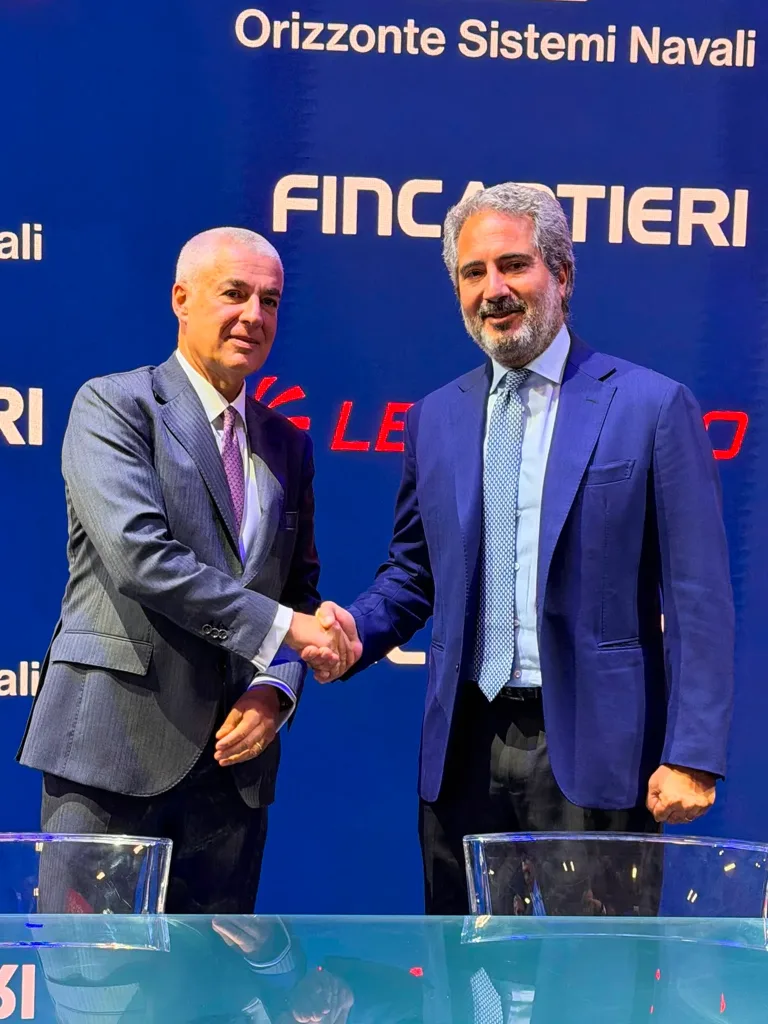
Ashwin Bhat, CEO of Lufthansa Cargo, said Japan remains an important market for the company and highlighted the potential benefits of combining the four carriers’ networks and expertise.
“Together with SWISS WorldCargo and Nippon Cargo Airlines, we now want to explore how we can leverage our respective brand strengths, networks and expertise to create even greater value for our customers,” said Ashwin Bhat, CEO of Lufthansa Cargo.
Alain Chisari, Head of SWISS WorldCargo, said closer cooperation could broaden transport options for customers handling time-critical and specialised cargo between Europe and Japan.
The Japanese partners also highlighted the potential for combining their respective strengths in freight services.
Kenichi Wakiya, Executive Vice President, Cargo Marketing & Services at ANA and CEO of ANA Cargo, said the companies intend to build on their previous cooperation while exploring a wider partnership involving all four carriers.
Nippon Cargo Airlines, which operates dedicated freighter services, would contribute its experience in international cargo transportation and its presence in the Japan–Europe market.
Potential revival of Japan–Europe cargo joint venture
The original Lufthansa Cargo–ANA partnership established a coordinated offering for shipments between Japan and Europe, allowing customers to access additional connections through the carriers’ respective networks.
Its suspension in 2023 interrupted that arrangement, although both companies retained their experience of operating together in the market.
The proposed four-carrier framework represents an opportunity to examine a broader model of cooperation, combining the established European freight networks with Japanese cargo operations.
However, the agreement remains exploratory. The airlines have not confirmed the formal resumption of the previous joint venture or announced a binding operational agreement.
No implementation timetable, additional flight frequencies, specific new routes or capacity commitments have been disclosed.
The companies will assess potential areas of cooperation before determining whether and how to implement a renewed partnership.
For customers shipping between Japan and Europe, any eventual agreement could create additional routing and capacity choices, but the operational benefits will depend on the outcome of the discussions and any subsequent commercial arrangements.