StormGeo’s Portchain acquisition: Can integrated data transform maritime operations?
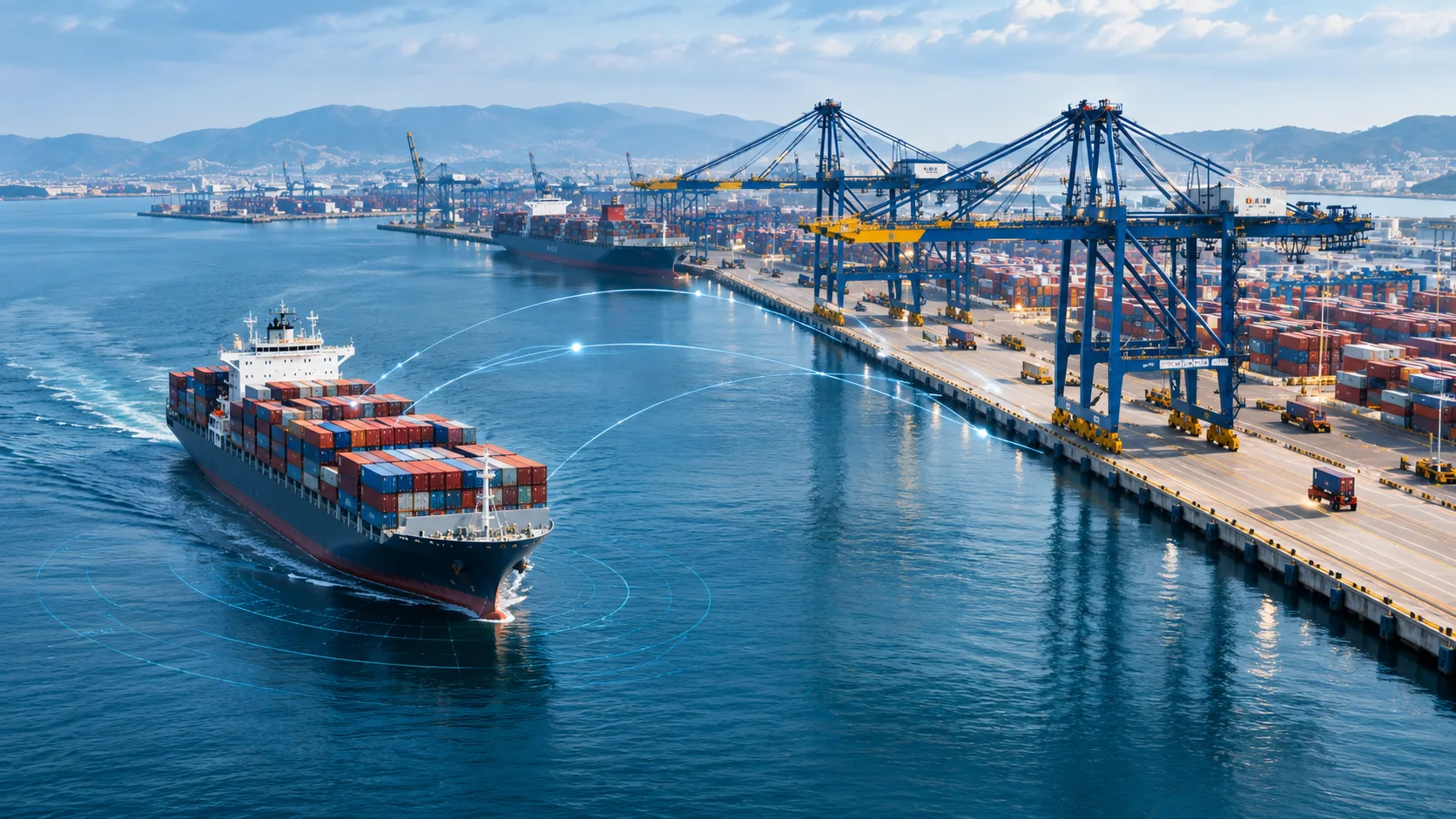
StormGeo’s acquisition of Portchain marks a strategic expansion of its maritime technology business, bringing voyage optimization and port call coordination under the same corporate structure. Completed on 30 October 2026, the transaction gives the Alfa Laval-owned company access to berth planning capabilities and an established network connecting container carriers with terminals worldwide.
The significance of the deal extends beyond adding another software product to StormGeo’s portfolio. It addresses a persistent disconnect in maritime operations: ships can optimize their routes and speeds using increasingly sophisticated data, yet their arrival decisions are not always aligned with the latest berth availability and terminal operating plans. Bringing these two areas together could create a more coordinated approach to voyage management.
For StormGeo, the acquisition raises a broader commercial question. Can integrating information from vessels and terminals strengthen its position in maritime technology while delivering operational benefits that customers are willing to pay for?
From voyage optimization to port coordination
StormGeo has developed its maritime business around weather intelligence, vessel performance and voyage optimization. Its Voyage Intelligence offering supports decisions about routing, speed, arrival times and fuel consumption, combining digital tools with operational expertise.
Portchain brings a different capability. Its software enables container carriers and terminals to exchange operational information and coordinate vessel schedules, berth availability and terminal resources. Portchain Connect focuses on alignment between carriers and terminals, while Portchain Quay supports berth, crane and workforce planning.
Together, these capabilities could allow information about terminal readiness to influence voyage decisions before a ship reaches port. If a berth becomes available later than expected, for example, an operator could potentially adjust the vessel’s speed rather than maintain its original arrival time and wait outside the port.
The distinction matters because voyage optimization has traditionally concentrated heavily on the ship itself. Weather, speed, fuel consumption and arrival estimates can be calculated with considerable sophistication, but the operational value of those calculations may be reduced if the terminal’s plans change independently.
StormGeo’s strategy is to connect these decisions, moving from optimization of an individual voyage towards coordination across the wider port call.
Why Portchain’s network matters
One of the acquisition’s most significant assets is Portchain’s existing network of shipping lines and container terminals. According to the companies, the Portchain Network connects carriers with more than 200 terminals representing over 40% of global container terminal capacity.
That reach could provide StormGeo with an established foundation for expanding integrated voyage and berth planning services. Building a similar network independently would require commercial relationships, technical integration and agreement on how operational data is exchanged between multiple participants.
Portchain’s commercial development also predates the acquisition. In August 2026, the company announced a collaboration with X-Press Feeders, adding another carrier relationship to its existing network. Alongside previously announced terminal deployments, the agreement provides evidence that its technology had already gained commercial traction before becoming part of StormGeo.
These relationships are relevant because the value of a coordination platform depends on participation from both shipping lines and terminals. A larger network can increase the opportunities for operational information to be exchanged, potentially making the service more useful to existing participants and more attractive to new customers.
Nevertheless, network reach should not be confused with full operational integration. The number of connected terminals does not establish how frequently information is exchanged, whether every participant uses the same functionality or how consistently the data influences vessel and terminal decisions.
For StormGeo, the opportunity lies in converting that established network into a more closely integrated service. Whether this strengthens customer retention or generates additional commercial revenue will depend on adoption, service quality and the measurable value delivered to users.
The commercial opportunity behind Just-in-Time arrivals
Just-in-Time arrival has become an important concept in efforts to improve maritime efficiency. Its underlying principle is straightforward: vessels should, where operationally feasible, adjust their voyages to arrive when port services and berths are ready rather than sail faster only to spend time waiting.
The commercial implications are more complex. A vessel that reduces speed in response to a reliable later berthing window may consume less fuel, but the outcome depends on voyage conditions, contractual arrangements, port reliability and the availability of timely information.
The combination of StormGeo and Portchain is intended to make those decisions more practical. Instead of relying solely on a vessel’s estimated time of arrival, operators could use updated information about the estimated time of berthing when reviewing speed and routing decisions.
This could create a more direct connection between operational efficiency and emissions reduction. Nevertheless, the acquisition itself does not establish that customers will achieve a particular level of fuel savings. Actual results will depend on implementation, vessel characteristics, port conditions and the extent to which carriers and terminals act on shared information.
For StormGeo, the business opportunity is therefore not simply to sell another optimization tool. It is to demonstrate that better coordination between existing operational systems can produce measurable improvements across the voyage and port call.
Alfa Laval’s wider maritime technology strategy
The transaction also fits within Alfa Laval’s broader interest in improving marine energy efficiency through equipment, digital services and operational intelligence.
StormGeo provides the group’s weather and voyage intelligence capabilities, while Alfa Laval has an established presence in marine equipment and systems. Adding Portchain extends that digital offering into port call coordination, potentially connecting information from onboard operations with decisions made ashore.
This could strengthen Alfa Laval’s ability to offer customers a combination of physical technologies and digital services. The strategic logic is particularly relevant as shipowners seek efficiency improvements alongside investments in alternative fuels and emissions-reduction technologies.
However, the acquisition should not be interpreted as evidence that these different businesses will automatically generate substantial commercial synergies. Integrating products, customer relationships and data systems takes time, and the companies have not disclosed the purchase price or quantified expected financial benefits.
StormGeo has indicated that Portchain will continue operating independently under its ownership for the next few years before being fully integrated into its portfolio. This phased approach suggests that maintaining continuity for existing customers is an immediate priority, while deeper integration remains a longer-term objective.
The decision may reduce disruption during the transition, but it also means that the full commercial potential of the combined offering is unlikely to be realized immediately.
Integration will determine the outcome
The principal challenge for StormGeo is turning complementary technologies into a service that functions reliably across the fragmented operating environment of international shipping.
Carriers and terminals have different commercial priorities, planning processes and technology systems. Berthing windows can change because of congestion, weather, cargo operations or disruptions elsewhere in a shipping network. Even when accurate information is available, operational decisions may be constrained by charterparty terms, service schedules and contractual responsibilities.
Data governance is another consideration. Shipping companies and terminal operators need confidence that commercially sensitive operational information will be exchanged securely and used for clearly defined purposes. Building that confidence is essential if digital coordination is to expand beyond established relationships.
The integration of voyage and berth planning also introduces a question of responsibility. Better information can support decisions, but it does not remove the need for operators to assess navigational safety, commercial obligations and changing conditions.
These factors mean that the potential benefits of the acquisition should be evaluated through actual adoption and operational performance rather than the scale of the announced network alone.
A strategic move with an execution test ahead
StormGeo’s acquisition of Portchain reflects an important direction in maritime digitalization: the shift from improving individual activities towards connecting decisions across the transport chain.
The transaction gives StormGeo established port coordination capabilities and a network of terminal relationships that complement its existing voyage intelligence business. It also provides Alfa Laval with another opportunity to expand its maritime digital services alongside its equipment and energy-efficiency portfolio.
The commercial case is credible, but several questions remain unanswered. The companies have not disclosed the acquisition’s financial terms, projected revenue contribution or expected return on investment. Nor has the combined platform yet demonstrated, through publicly disclosed results, the operational improvements it could achieve at scale.
For StormGeo, success will depend on converting technological compatibility into consistent customer adoption, reliable data exchange and measurable efficiency gains.
The acquisition establishes a stronger position from which to pursue that objective. Whether it becomes a lasting competitive advantage will depend on what happens after the transaction, when integrated voyage and port planning must prove its value in everyday maritime operations.