Arcadis and Egis appointed to design Montréal container terminal
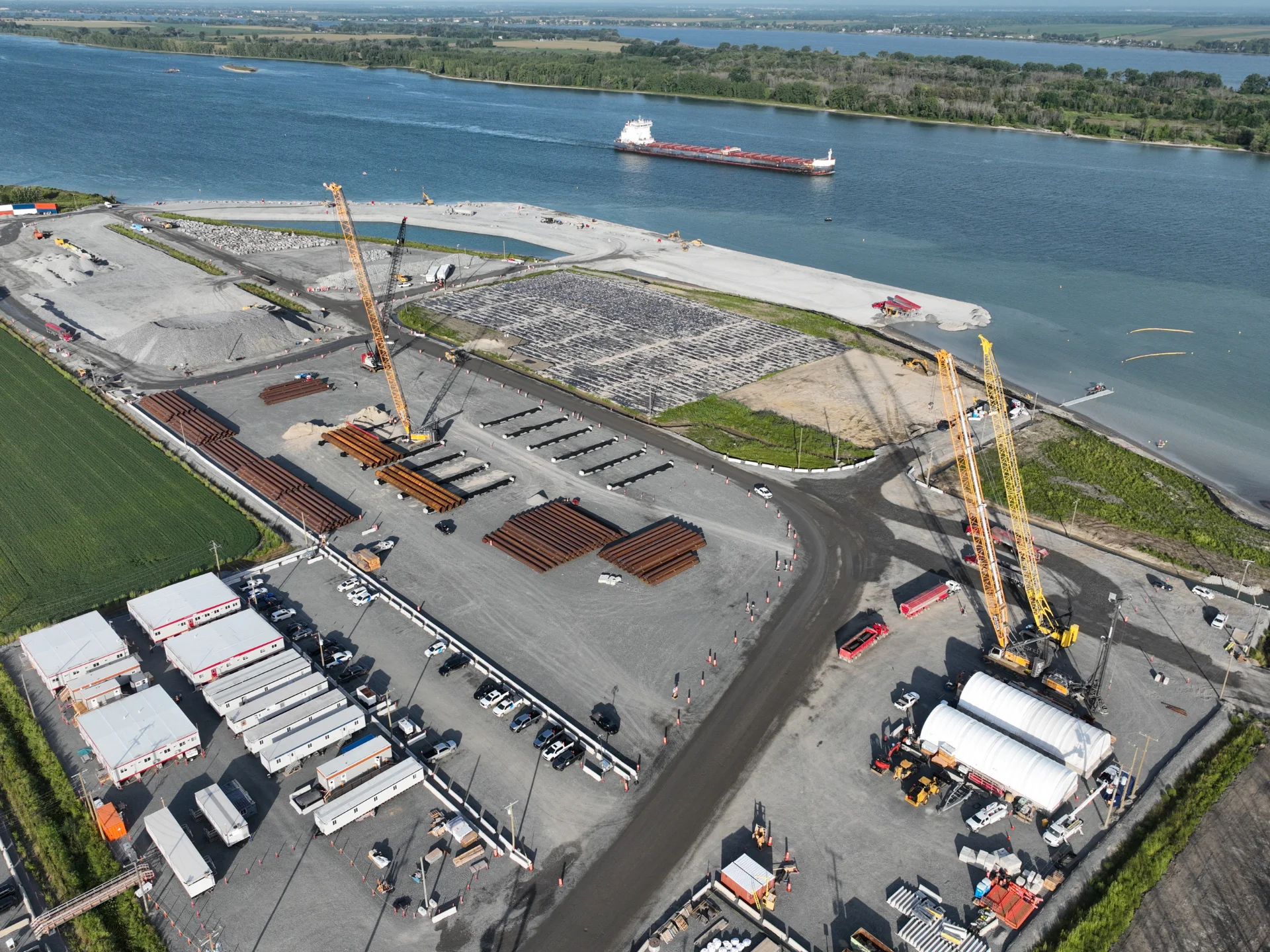
Arcadis and Egis have been appointed by DP World as the Operator’s Engineer for the Contrecœur Container Terminal project at the Port of Montréal, Canada.
The joint venture will be responsible for designing and engineering the terminal’s landside infrastructure, including the container yard, rail yard, buildings, utilities and truck gates. The appointment forms part of a wider development programme expected to increase the Port of Montréal’s annual handling capacity by approximately 60%.
Under the agreement, Arcadis will lead environmental assessment, geotechnical and electrical engineering, rail infrastructure design and the development of the terminal’s main operational and administrative buildings.
Egis will oversee the design and engineering of utility buildings, civil utilities, crane rails, pavements and truck gate infrastructure. Moffatt & Nichol will support the joint venture as a subconsultant, providing terminal planning and operational specifications to help determine the facility’s layout.
“The Contrecœur Container Terminal is an exciting project, marking a major investment in Canada’s trade infrastructure and an important step in expanding capacity at one of the country’s key trade gateways,” said Kevin Karaloff, Business Unit Leader, Ports and Marine at Arcadis.
The Canadian federal government has committed $1.16 billion in funding through the Canada Infrastructure Bank. According to government estimates cited in the announcement, the project is expected to support approximately 4,000 jobs annually during construction and generate around $750 million in annual economic benefits once operational.
The latest appointment follows the start of marine infrastructure construction in April 2026, which is being managed by the Montréal Port Authority. The new contract covers the design and engineering of the landside facilities needed to support terminal operations.
The Contrecœur Container Terminal is currently scheduled for completion in 2030, with the expansion intended to provide additional container-handling capacity and strengthen connections between maritime, rail and road transport networks.