Intramotev to deploy autonomous freight railcars in Missouri
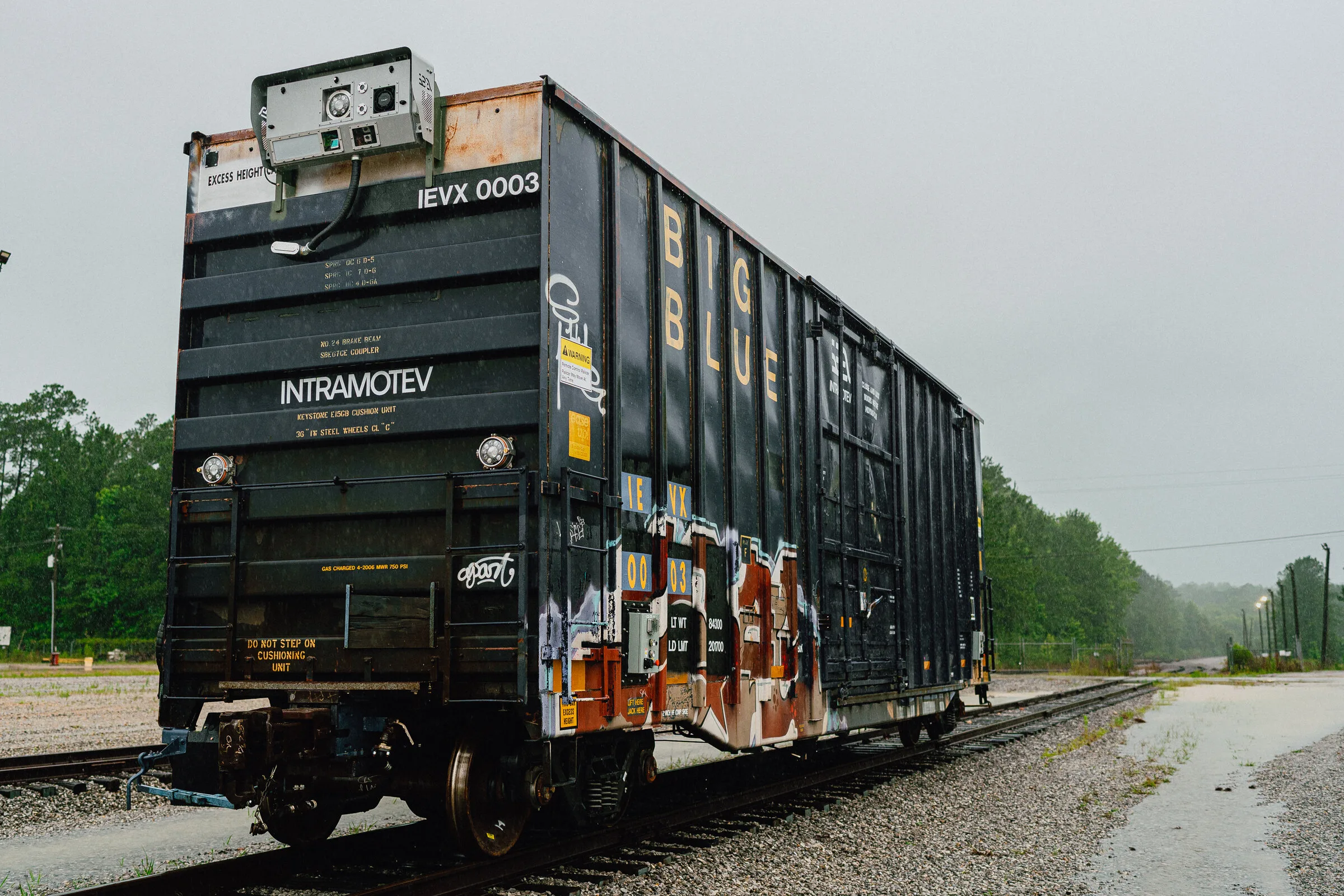
Intramotev is preparing to deploy its autonomous freight railcar technology on Missouri’s Columbia Terminal Railroad (COLT), following the selection of the City of Columbia for a $16.2 million federal grant under the Federal Railroad Administration’s (FRA) Consolidated Rail Infrastructure and Safety Improvements (CRISI) programme.
The St. Louis-based technology company will serve as the project’s technology partner, supplying two TugVolt autonomous railcars for deployment on COLT’s 21.4-mile railway between Centralia and Columbia, Missouri.
The initiative will combine the introduction of autonomous rail technology with track and infrastructure improvements, with operations progressing through a phased testing programme approved by the FRA.
Autonomous railcars to undergo phased testing
Under the planned deployment, Intramotev’s TugVolt railcars will initially be used for remote switching operations at COLT’s Columbia terminal. Subsequent phases are intended to introduce autonomous freight movements along the railway’s mainline, including sections with public road crossings.
The gradual implementation will take place under an FRA-approved testing programme, allowing the project partners to assess the technology in an operational railway environment.
Intramotev will manufacture both TugVolt units at its facility in St. Louis. The $16.2 million federal grant will support the wider project, including improvements to COLT’s existing track and infrastructure, rather than exclusively funding the autonomous railcars.
The company expects the programme to generate operational and safety information that could inform future applications of autonomous rail technology across the United States’ short-line railway sector.
“Short lines keep America’s small cities and rural communities connected to the freight network. Autonomous railcars can help them serve more customers, more often, at lower cost, and this program will show what that looks like on a working mainline,” said Tim Luchini, Chief Executive Officer of Intramotev.
Luchini also welcomed the partnership with the City of Columbia and COLT, alongside the FRA’s support for the project.
Investment in Missouri’s short-line rail infrastructure
Columbia Terminal Railroad is a municipally owned short-line railway operated by Columbia City Utilities. Its connection between Columbia and Centralia provides local businesses with access to the wider US freight rail network.
The railway has served the Columbia area for nearly four decades, supporting freight movements for businesses whose activities contribute to local employment.
The federal investment is intended to modernise the existing railway infrastructure while supporting the introduction of new operational technologies.
“COLT has been Columbia’s link to the national rail network for nearly 40 years, and the businesses that depend on it support hundreds of local jobs,” said Erin Keys, Utilities Director for the City of Columbia.
Keys said the investment would help modernise the railway, strengthen customer service and support Columbia’s participation in rail technology development.
According to Intramotev, the project is expected to establish a safety record that the FRA and more than 600 US short-line railroads could use as a reference when evaluating autonomous railcar applications.
Intramotev expands rail technology activities
The Missouri deployment follows other developments involving Intramotev’s TugVolt technology during 2026.
In April, the company announced an agreement with Austria’s ÖBB Rail Cargo Group, extending its activities into the European rail freight market.
In June, US Army Reserve personnel participated in a planned technology assessment involving TugVolt equipment.
The Columbia Terminal Railroad project represents a further step in the company’s development programme, with the planned deployment providing an opportunity to test autonomous railcars on an operating short-line railway.
The introduction of autonomous mainline freight services remains subject to the project’s phased testing arrangements. No date for the start of full autonomous operations was specified in the announcement.