UNCTAD forecasts slower global growth amid shifting trade patterns
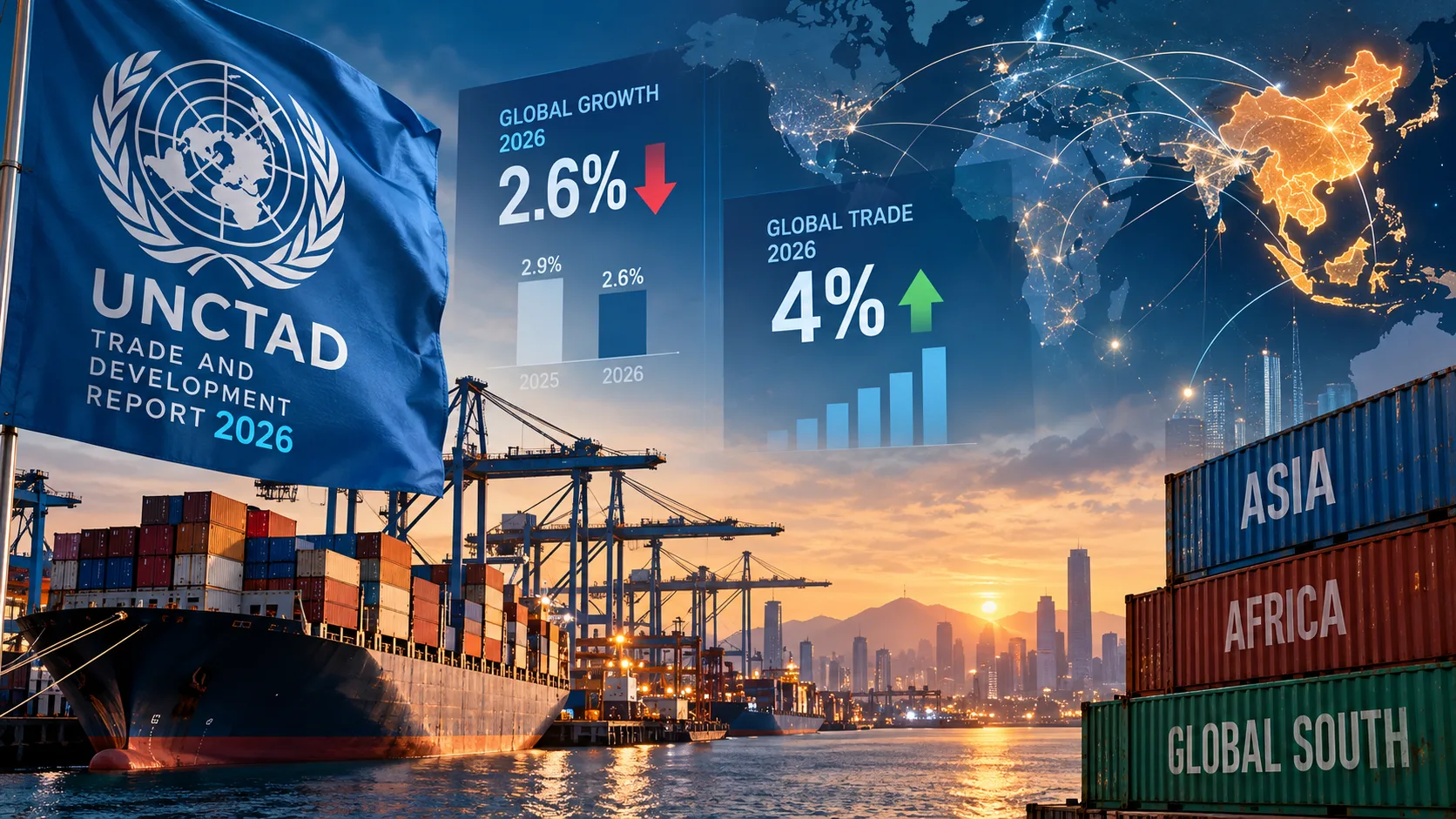
Global economic growth is expected to slow in 2026, even as international trade continues to expand, according to the latest Trade and Development Report released by the United Nations Conference on Trade and Development (UNCTAD).
The report projects global economic growth of 2.6% in 2026, compared with 2.9% in 2025, while trade in goods and services is forecast to increase by approximately 4% at constant prices.
Developing economies are expected to grow by 4%, down from 4.7% last year, reflecting growing economic pressures and an increasingly complex international trading environment.
Global trade patterns continue to shift
Global trade reached a record US$35 trillion in 2025. However, UNCTAD notes that higher trade values in 2026 are being influenced by price increases associated with the energy shock.
At the same time, geopolitical tensions, trade restrictions and changes in industrial policies are reshaping international commercial relationships.
Trade between China and the United States has declined by more than 20% since 2024, while East Asian economies have expanded their trade relationships with both China and North America.
According to the report, governments are increasingly using trade, industrial, financial and technology policies to pursue economic and national security objectives.
Export controls, investment screening and supply chain requirements are also creating additional barriers for countries seeking to enter strategic industries.
Asia remains a major driver of economic growth
Asia is expected to account for 59% of global economic growth in 2026, maintaining its position as a major contributor to international economic activity.
India’s economy is projected to expand by 7.3%, followed by Indonesia at 5.2% and China at 4.5%. Vietnam is expected to record growth of 7.8%, while several Central Asian economies are also forecast to experience strong expansion.
Despite this performance, UNCTAD warns that the economic convergence experienced by several Asian economies has not been replicated across much of the developing world.
The report also identifies artificial intelligence and advanced computing products as major drivers of merchandise trade. However, the economic benefits remain concentrated among a limited number of companies and countries.
Developed economies accounted for approximately 70% of the value of announced greenfield investment projects in high-value strategic sectors between 2020 and 2025, including semiconductors, energy transition technologies and AI infrastructure.
Energy costs and financial pressures weigh on developing economies
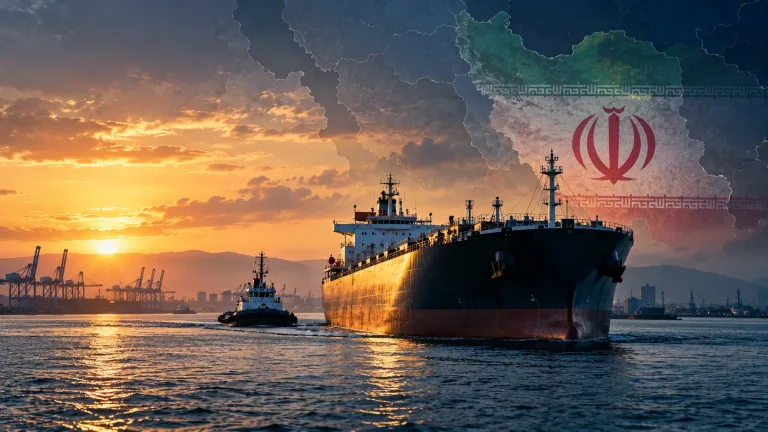
The report highlights the impact of the Middle East conflict on global energy markets, with Brent crude prices rising from approximately US$70 to more than US$110 per barrel in the weeks following the outbreak of the conflict.
Higher energy prices have increased economic pressure on energy-importing developing countries, particularly those already facing elevated borrowing costs and financial instability.
UNCTAD also reports that capital flow volatility has doubled since the conflict began, while official development assistance is projected to decline by almost 7% in 2026, marking a third consecutive annual reduction.
The organization identifies energy diversification, stronger domestic production capabilities and closer coordination between industrial and financial policies as important priorities for developing economies.
Regional integration gains importance
As international production becomes increasingly specialized, UNCTAD expects regional and sector-specific economic cooperation to play a greater role in global trade.
The report identifies the African Continental Free Trade Area as an example of efforts to strengthen regional markets, reduce trade costs and support the development of regional value chains.
It also highlights the Pan-African Payment and Settlement System, which aims to connect 42 African currencies and reduce barriers to cross-border payments.
“Rising economies of the Global South are becoming regional anchors, extending trade integration to new financial initiatives. This works best alongside a multilateral trading system that keeps non-discrimination and special and differential treatment at its core,” said Pedro Manuel Moreno, Acting Secretary-General of UNCTAD.
The report calls for stronger coordination of industrial, financial and technology policies, alongside measures to increase domestic value creation and strengthen links between foreign investment and local suppliers.