Singapore expands alternative fuel bunkering framework with new standards and trials
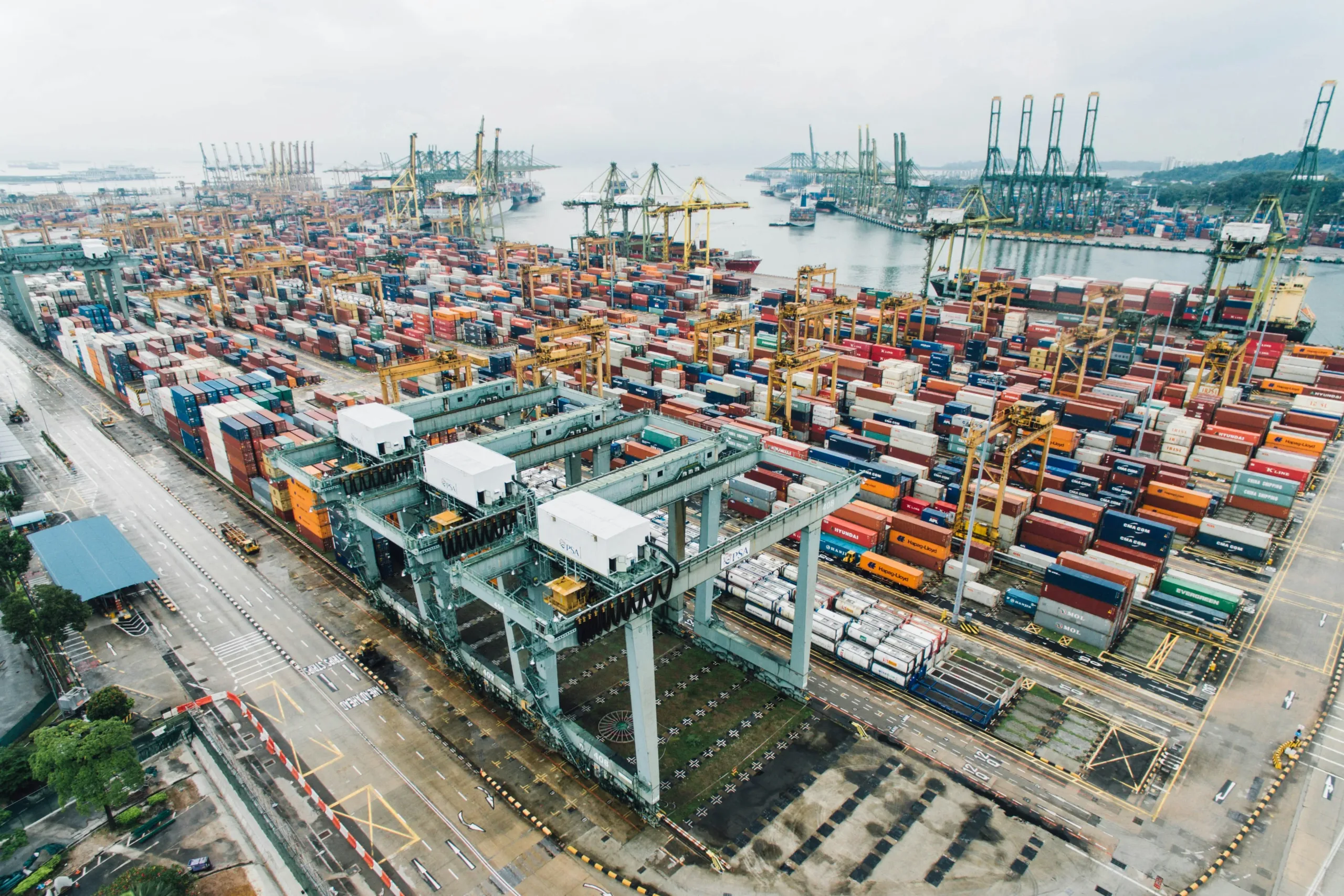
Singapore is expanding its marine fuel bunkering framework with new ammonia safety standards, plans for additional LNG storage and its first ethanol bunkering operation, alongside measures to digitalise fuel deliveries and encourage the adoption of electric harbour craft.
The Maritime and Port Authority of Singapore (MPA) announced the initiatives during the Singapore International Bunkering Conference (SIBCON 2026), held from 13 to 15 October. The measures cover fuel supply infrastructure, technical requirements, quality assurance and regulatory processes as Singapore prepares to accommodate a wider range of marine fuels.
The conference, organised by MPA and opened by Senior Minister of State Murali Pillai, is attracting more than 2,000 maritime professionals from over 60 countries.
Singapore introduces ammonia bunkering standard
MPA and Enterprise Singapore, through the Singapore Standards Council, have launched Technical Reference TR 148, establishing requirements for ammonia bunkering operations.
The standard addresses safety procedures, custody transfer and personnel competencies, providing a technical framework for the handling and transfer of ammonia as a marine fuel.
Under the Singapore-Australia Green and Digital Shipping Corridor, MPA will work with the Pilbara Ports Authority to validate the technical reference. The two authorities will exchange operational experience and information from bunkering trials conducted at their respective ports.
Singapore is also developing contractual arrangements for ammonia fuel transactions. The Singapore Chamber of Maritime Arbitration has released its proposed Singapore Ammonia Bunkering Form for public consultation.
Developed with industry participants and in consultation with MPA, the model contract is intended to establish common contractual terms for ammonia bunker buyers and suppliers. The consultation will remain open until 14 January 2027.
LNG storage plans and first ethanol bunkering operation
MPA plans to invite applications for licences to operate liquefied natural gas (LNG) floating storage units in Singapore’s anchorages by the end of 2026, subject to regulatory approvals.
The proposed storage arrangements follow the award of eight additional LNG bunker supplier licences in July 2026. MPA expects the floating units to increase storage capacity and strengthen the LNG bunkering supply chain.
Separately, MPA, CMA CGM and Singapore LNG Corporation have signed a memorandum of understanding to examine the use of liquefied biomethane as a marine fuel. The cooperation will consider how existing gas infrastructure could support its supply and adoption.
Singapore is also preparing to conduct its first ethanol bunkering operation at PSA’s Pasir Panjang Terminal later this week.
The operation will involve Maersk, Golden Island Pte Ltd and PSA Singapore, using bioethanol supplied to a vessel while cargo handling continues at the terminal.
A mass flow meter will measure the quantity of fuel transferred. The trial will examine whether Singapore’s existing methanol bunkering technical reference, TR 129, can be adapted for ethanol operations and assess the suitability of mass flow meter systems for this fuel.
The findings will contribute to the development of technical and regulatory requirements for future ethanol bunkering operations.
New fuel quality standards and digital bunkering measures
Two additional standards have been introduced to strengthen fuel quality assurance in Singapore’s bunkering sector.
Singapore Standard SS 730:2026 establishes requirements for bunker fuel sampling, while Technical Reference TR 155:2026 provides a standardised testing method for detecting polymers in residual-based marine fuels.
Alongside these measures, MPA is preparing the second phase of its Digital Bunkering initiative.
Electronic bunker delivery notes have been the default documentation for bunkering operations in Singapore since April 2025. The next phase will focus on automating the transfer of bunkering data from mass flow meter systems to industry participants and regulators.
MPA aims to reduce manual data entry and strengthen data integrity throughout the bunkering process.
A grant call supporting selected Phase 2 trials is scheduled for November 2026. Licensed bunker craft operators will be able to apply in cooperation with technology partners.
The authority also plans to introduce Bunker Supplier Management System 2.0 in the second quarter of 2027.
The upgraded platform will consolidate regulatory transactions, licence applications and industry submissions related to bunkering activities.
Electric harbour craft scheme to begin in 2027
Singapore will introduce an Early Adopter Scheme for Electric Harbour Craft on 1 January 2027, offering financial support for eligible electric vessels operating in the harbour.
The two-year scheme will provide grants based on battery capacity, with funding capped according to vessel size at up to $250,000 per vessel.
The programme forms part of MPA’s efforts to support the adoption of electric harbour craft and the development of the associated operating ecosystem.
Separately, MPA will conduct a multi-agency oil spill response exercise on 16 October, involving regional coordination with Indonesia and Malaysia through the Revolving Fund Committee exercise.
The exercise will assess response arrangements for marine oil spills and cooperation between the participating authorities.