Port of Rotterdam records modest cargo growth amid shifting trade flows
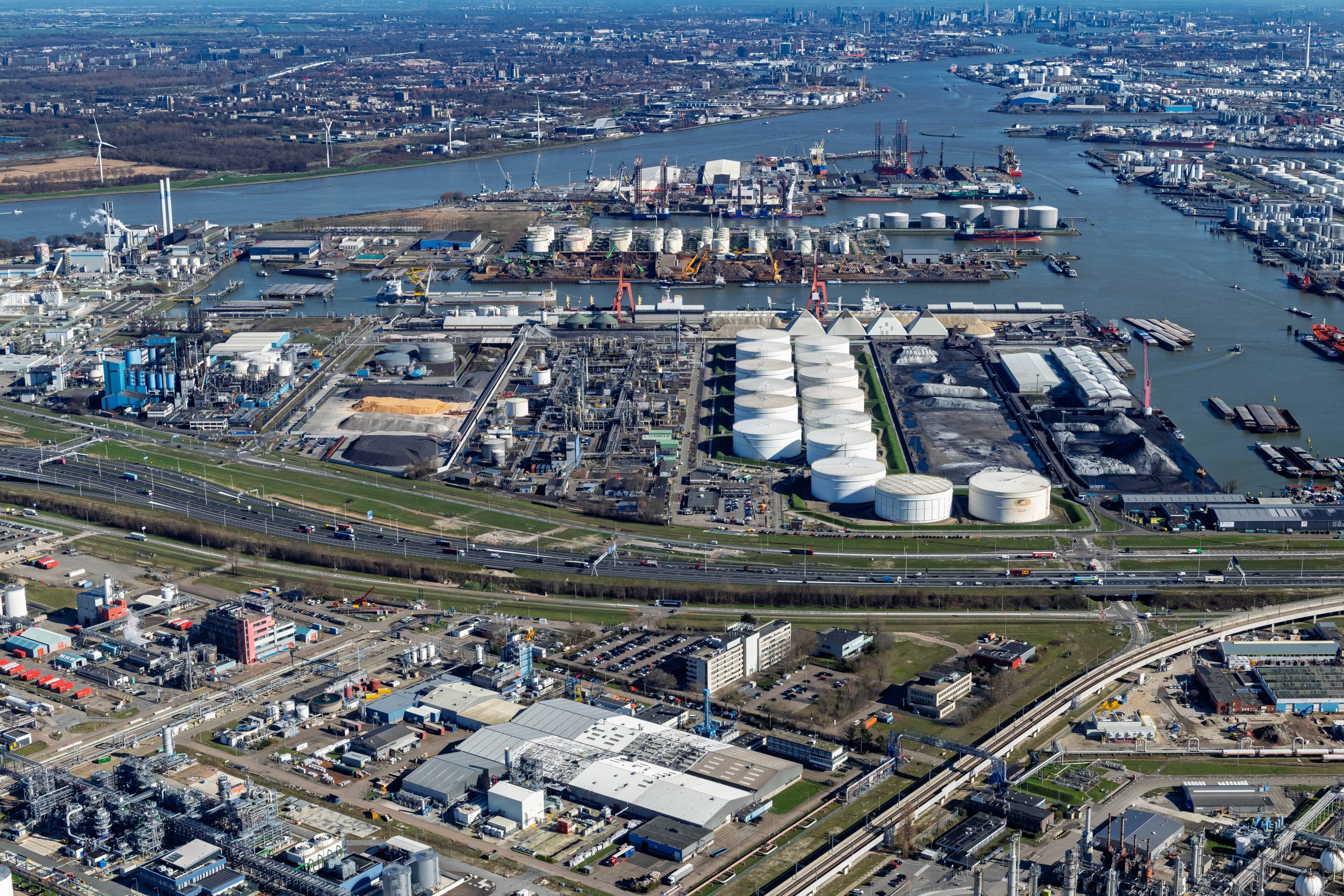
Higher coal and oil volumes supported overall throughput during the first nine months of 2026, while container transshipment declined and hinterland cargo movements increased.
The Port of Rotterdam handled 323.2 million tonnes of cargo during the first nine months of 2026, representing an increase of 0.9% compared with the corresponding period last year.
According to the Port of Rotterdam Authority, growth in coal, crude oil, oil products and other dry bulk offset declines in several other cargo segments, including iron ore, agricultural bulk, LNG and breakbulk.
The figures reflect changing European energy requirements, pressure on industrial activity and adjustments in container shipping networks.
Energy cargoes support overall throughput
Dry bulk throughput increased by 2.1% during the January–September period, supported by higher coal and construction-related cargo volumes.
Coal throughput rose by 15.3%, driven partly by a recovery in coking coal shipments for European steel production and increased demand for thermal coal.
The port linked higher thermal coal demand to elevated natural gas prices associated with geopolitical tensions in the Middle East.
Other dry bulk volumes increased by 15%, reflecting stronger demand for materials used in construction, energy infrastructure and railway projects.
However, iron ore and scrap throughput declined by 5.9%, while agricultural bulk fell by 11.4%.
Liquid bulk throughput increased by 3.1%, with crude oil volumes rising by 2.1% and oil product throughput growing by 11.1%.
According to the port authority, disruptions to oil product imports from the Middle East following the closure of the Strait of Hormuz encouraged European refineries to process more crude oil.
Oil product exports increased by 31.9%, while imports declined by 6.9%.
LNG throughput remained broadly stable, decreasing by 0.2%, while other liquid bulk volumes fell by 3.8%.
Container transshipment declines as hinterland flows increase
Container throughput remained nearly unchanged in TEU terms, increasing by 0.1% compared with the first nine months of 2025.
Measured by cargo weight, however, container throughput declined by 2.2%.
The port reported a 7.2% increase in hinterland container volumes, supported by an 8.9% rise in loaded import containers. Loaded container exports increased by 1%.
In contrast, container transshipment volumes fell by 20%.
The Port of Rotterdam Authority attributed the decline partly to longstanding capacity constraints at deep-sea terminals, which have encouraged shipping companies to handle more transshipment cargo through alternative ports.
This shift has created additional capacity for containers moving between Rotterdam and its European hinterland.
Industrial weakness weighs on breakbulk
Breakbulk throughput declined by 1.4% during the reporting period.
RoRo cargo volumes increased slightly by 0.7%, while other breakbulk shipments fell by 10.2%, reflecting continued weakness in European manufacturing, particularly machinery and automotive production.
Boudewijn Siemons, CEO of the Port of Rotterdam Authority, highlighted the importance of reliable inland transport infrastructure as European trade patterns continue to change.
The port authority emphasised the need for continued investment in road, rail and inland waterway connections to support supply chain resilience and European industrial competitiveness.