Huawei introduces AI solutions for smarter port operations
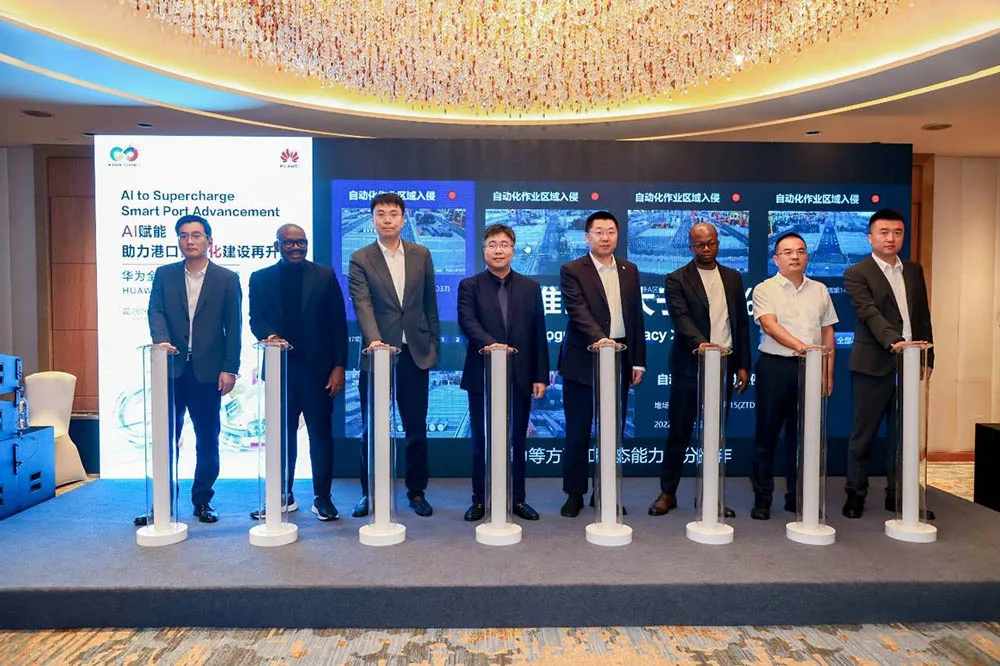
Huawei has introduced two artificial intelligence solutions designed to improve operational planning and safety management at ports, as the maritime industry increasingly explores the use of AI in terminal operations.
The Smart Plan and Smart Security solutions were presented during HUAWEI CONNECT 2026 in Shanghai on 16 September.
The technologies combine large AI models, intelligent agents and computer vision to support operational decisions, coordinate port resources and identify potential safety risks.
According to Huawei, the company provides technology and services to more than 100 ports worldwide.
AI to support port planning and resource allocation
Huawei’s Smart Plan solution is designed to coordinate five areas of port operations: pilotage, berth allocation, quay crane scheduling, container yard management and vessel stowage.
The system uses AI agents to process operational requirements and generate coordinated plans across these activities.
Huawei states that the technology can reduce planning processes from hours to minutes, achieve a plan acceptance rate exceeding 90% and extend the planning horizon from three days to one month.
These figures represent performance claims reported by the company rather than independently verified results across multiple terminals.
The approach is intended to improve coordination between activities that are traditionally managed through separate operational systems.
Computer vision targets operational safety
The second solution, Smart Security, uses computer vision technology to identify personnel, vehicles and cargo within port environments.
According to Huawei, the system has been trained using more than one million port-specific data samples and achieves recognition accuracy exceeding 95%.
It is designed to detect potential operational hazards and provide earlier warnings, allowing port personnel to respond before incidents develop.
The technology aims to shift safety management towards continuous monitoring and preventive intervention.
Chinese ports demonstrate practical AI applications
Huawei also highlighted existing applications developed with Chinese port operators, including Shandong Port Group and Tianjin Port.
At Qingdao Port, Shandong Port Group reported that an AI-based berth allocation system can process 132 operational parameters and generate berthing plans in approximately 30 seconds.
The group also described AI applications for monitoring conveyor belts and automating cargo tallying.
Meanwhile, Tianjin Port has worked with Huawei on intelligent horizontal transportation systems that combine cloud-based scheduling, vehicle monitoring and adaptive traffic management.
These examples illustrate the broader use of AI in terminal operations, although they should be distinguished from the commercial introduction of Huawei’s newly presented solutions.
The developments reflect efforts to integrate artificial intelligence into daily port management, extending its use beyond individual automated machines towards coordinated planning and operational control.