Höegh Autoliners maintains stable rates amid Middle East disruptions
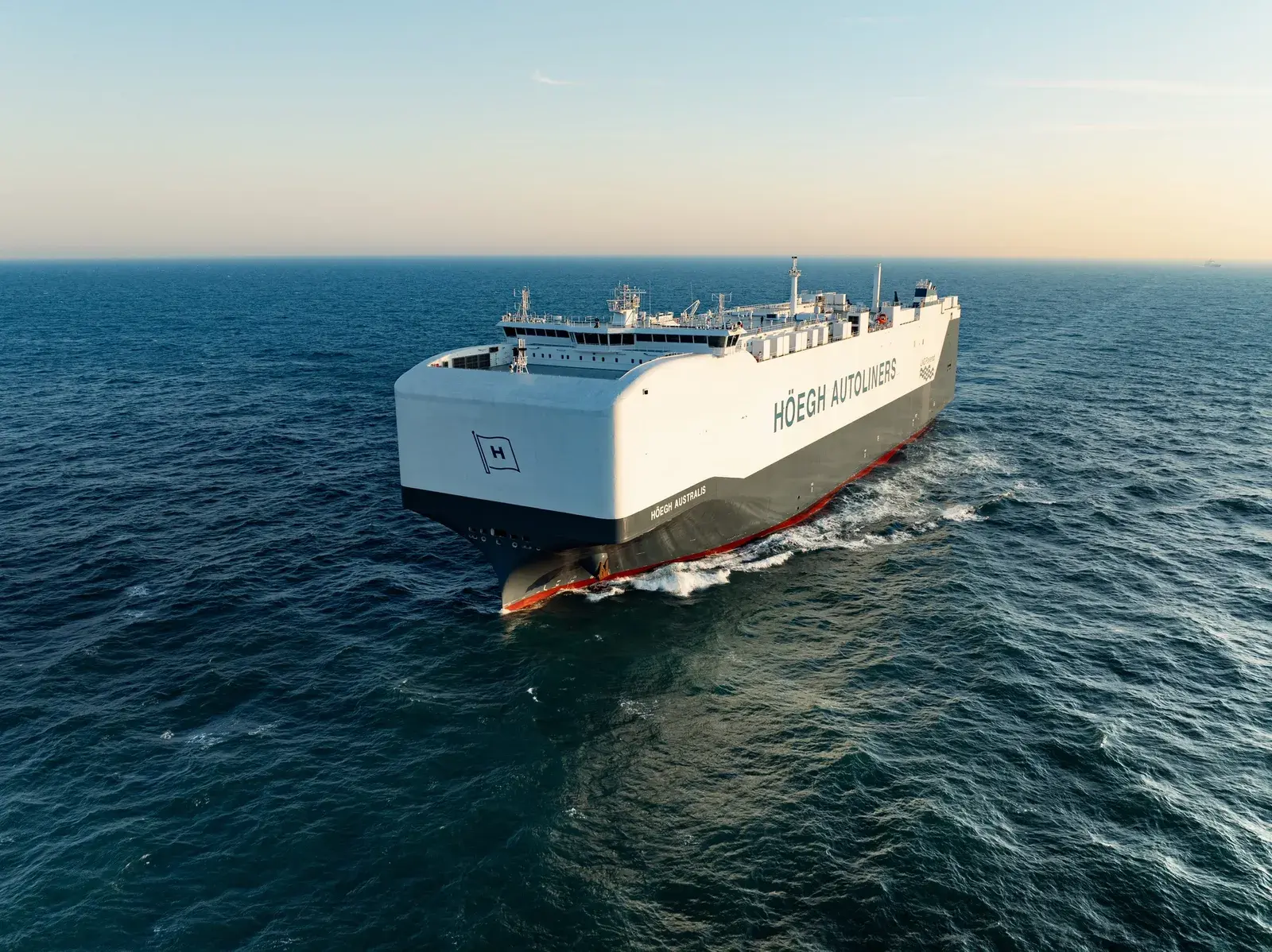
Höegh Autoliners reported stable cargo volumes and freight rates in October 2026, although continued disruptions to its Middle East service remained a challenge for the efficiency of its global shipping network.
The Norwegian Ro-Ro carrier transported 1.4 million cubic metres of cargo during October on a prorated basis, bringing its total transported volume for the August–October period to 4.0 million cubic metres. The figures indicate broadly steady cargo activity, with October volumes matching those reported in September.
The company’s prorated gross freight rate reached $100.1 per cubic metre in October, compared with an average of $99.0 during the preceding three-month reporting period, representing an increase of 1.1%. The net freight rate stood at $81.8 per cubic metre, slightly above the three-month average of $81.6.
High and heavy and breakbulk cargo accounted for 21% of the company’s prorated transported volume in October, compared with 22% across the August–October period.
Andreas Enger, CEO of Höegh Autoliners, said October had delivered stable freight rates and volumes, while disruptions affecting the company’s Middle East service continued to influence network efficiency.
The latest trading figures follow a period of operational pressure associated with the company’s Middle East activities. In its September update, Höegh Autoliners had also highlighted elevated service-related costs and higher fuel expenses, despite relatively stable freight rates and cargo volumes.
The October announcement does not provide further details about the affected routes, the extent of operational delays or the financial impact of the disruptions.
Höegh Autoliners operates a global Ro-Ro network transporting vehicles, high and heavy equipment and breakbulk cargo. Its October trading update indicates that freight rates and transported volumes remained broadly stable, while regional service disruptions continued to affect the operating environment.