DHL reaches major milestone with 40,000 electric delivery vehicles in Germany
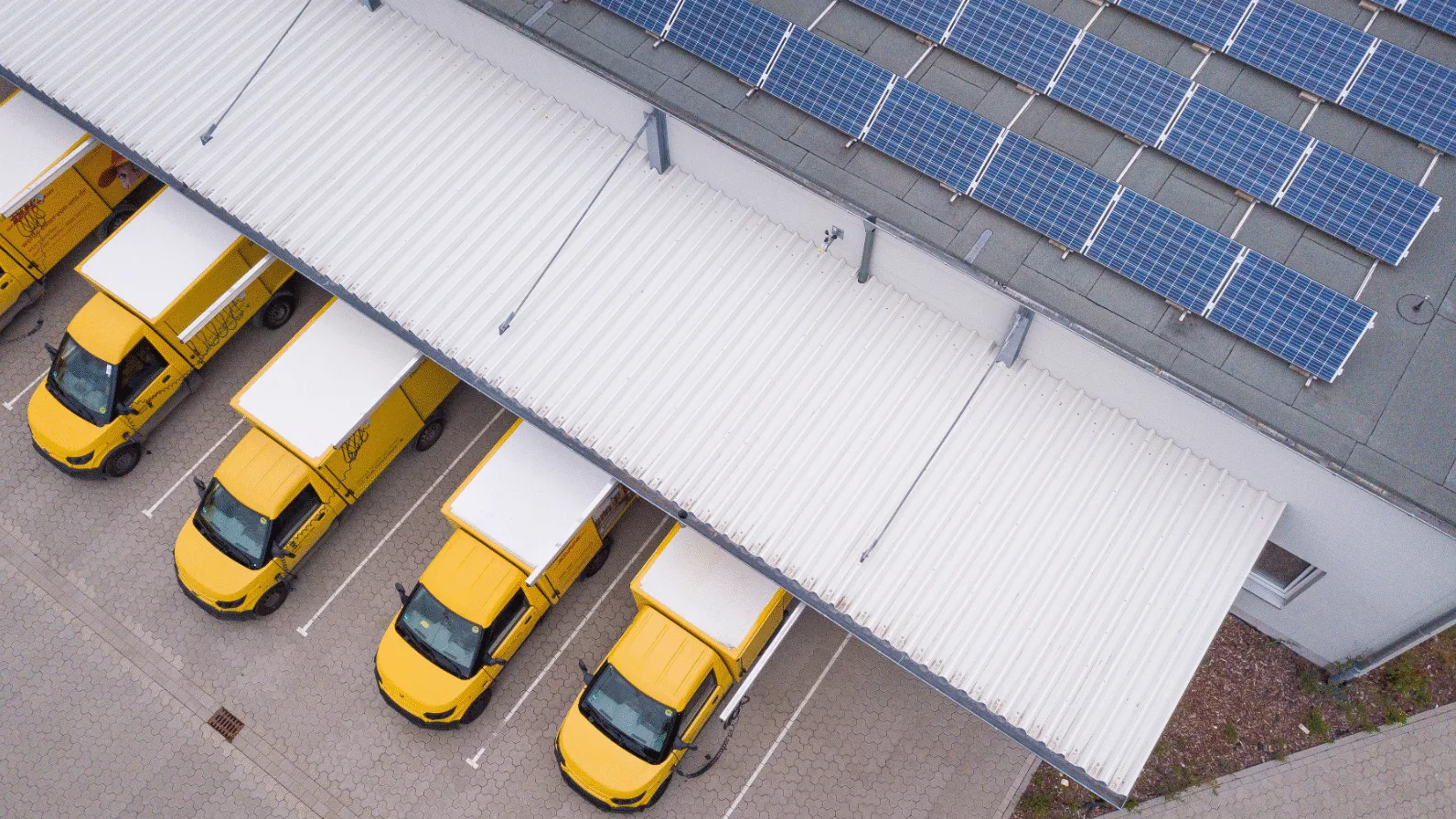
DHL Group has reached a new milestone in the electrification of its German delivery operations, with 40,000 electric vehicles now operating across its Deutsche Post and DHL brands.
The fleet represents what the company describes as the world’s largest electric delivery fleet operated by a postal company within a single national market.
The vehicles are supported by 44,400 charging points across Germany, with 95% of the electricity used for charging coming from renewable sources.
The announcement coincides with International Green Postal Day, during which postal operators highlighted progress in reducing emissions from delivery networks and transportation activities.
DHL expands electric delivery operations across Germany
The deployment of 40,000 electric vehicles reflects DHL Group’s ongoing transition away from conventional combustion-engine vehicles in its German postal and parcel delivery operations.
The expansion is supported by a charging network designed to accommodate the growing number of electric vehicles used in daily distribution activities.
According to DHL Group, the electrification programme forms part of its broader strategy to reduce emissions from transportation while responding to demand for lower-emission logistics services.
Nikola Hagleitner, Chief Executive Officer of Post & Parcel Germany, said the expansion represents an important step in the company’s long-term strategy.
“With 40,000 electric vehicles now in service for delivery operations, we are reinforcing our position as a pioneer in e-mobility,” Hagleitner said.
The company also highlighted growing customer demand for sustainable logistics services as a factor supporting its continued investment in electric transportation.
Alternative-fuel trucks support longer-distance transport
Beyond last-mile delivery, DHL Group is introducing alternative propulsion technologies into its longer-distance mail and parcel transportation operations.
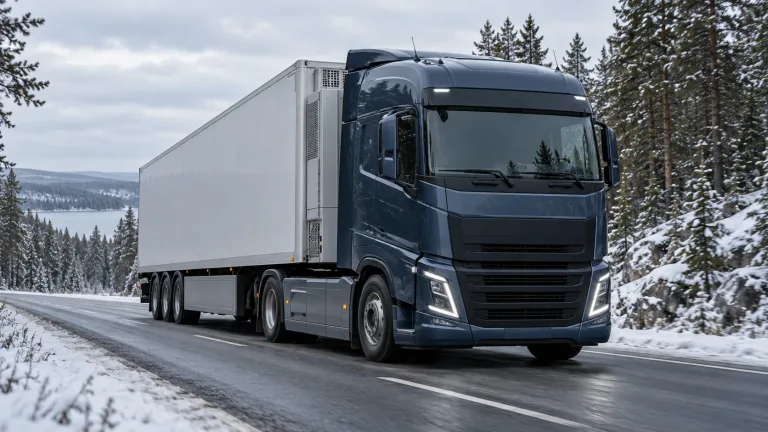
Deutsche Post currently operates 50 electric trucks and 570 trucks powered by bio-compressed natural gas (bio-CNG).
These vehicles are being used as part of the company’s efforts to reduce emissions from transportation activities extending beyond local delivery networks.
Long-haul transportation presents different operational requirements from urban parcel distribution, particularly regarding vehicle range, energy consumption and access to suitable charging or refuelling infrastructure.
DHL Group has identified the decarbonisation of longer-distance transportation and air freight as important areas for further development.
Tobias Meyer, Chief Executive Officer of DHL Group, said continued investment would be necessary to achieve emissions reductions across transportation activities.
“We must now continue driving decarbonization in long-haul transportation and air freight to meet our climate targets across the entire transportation value chain,” Meyer said.
Postal operators move closer to 2030 emissions target
The announcement also highlighted broader progress among postal operators participating in the International Post Corporation (IPC).
According to IPC, participating operators have collectively reduced their annual carbon dioxide emissions by 41% compared with the 2008 baseline.
The organisation has established a shared target of achieving a 50% reduction by 2030.
The increased use of renewable electricity in postal facilities and the gradual replacement of conventional delivery vehicles have contributed to the emissions reductions reported so far.
Fleet electrification has become an important component of these efforts, particularly in postal and parcel delivery operations where large numbers of vehicles are required for daily distribution.
However, further progress will depend on reducing emissions from other transportation activities, including longer-distance freight movements.
DHL continues transition towards lower-emission transportation
The expansion of DHL’s electric fleet demonstrates the scale of its investment in alternative propulsion technologies within Germany.
While the company’s 40,000 electric delivery vehicles represent a significant part of its current operations, its deployment of electric and bio-CNG trucks also reflects efforts to address emissions from heavier road transportation.
The combination of electric vehicles, charging infrastructure and renewable electricity is central to the company’s approach to reducing emissions from its delivery activities.
DHL has not specified a timetable for further expansion of its electric delivery fleet beyond the current milestone.