CMA CGM and DSV expand cooperation on low-carbon shipping
CMA CGM and DSV have signed an agreement to expand their cooperation on lower-emission maritime transportation, with the logistics company adopting CMA CGM’s ACT+ solution to support a targeted reduction of 12,000 tonnes of CO₂ emissions over two years.
The agreement involves the use of second-generation biofuels derived from used cooking oil methyl ester (UCOME), which CMA CGM offers as part of its ACT+ range of low-carbon transport solutions. The initiative is intended to reduce emissions associated with DSV’s ocean freight activities while supporting both companies’ long-term decarbonisation commitments.
According to CMA CGM, its ACT+ solution can deliver CO₂ emissions reductions of up to 83% compared with conventional shipping fuel through the use of lower-carbon alternatives. The 12,000-tonne reduction remains a target under the newly announced agreement, rather than an emissions saving already achieved.
ACT+ agreement focuses on alternative marine fuels
The partnership builds on the existing commercial relationship between CMA CGM and DSV, with the latter incorporating ACT+ into its approach to reducing emissions across its transport activities.
CMA CGM developed ACT+ to provide customers with transport solutions using lower-carbon energy sources. Under the new agreement, the companies will focus on second-generation UCOME-based biofuels, which are produced from used cooking oil and can be used as an alternative to conventional fossil-based marine fuels.
CMA CGM states that its ACT+ solution can achieve an 83% reduction in CO₂ emissions compared with conventional shipping fuel. The announcement does not specify the emissions accounting methodology used for this comparison or the quantities of biofuel expected to be consumed under the agreement.
Both companies have established targets to achieve net-zero emissions by 2050. For DSV, the commitment covers its own operations and value chain, while CMA CGM’s strategy includes improvements in energy efficiency, the adoption of lower-carbon fuels and cooperation with customers and suppliers.
CMA CGM continues investment in alternative-fuel vessels
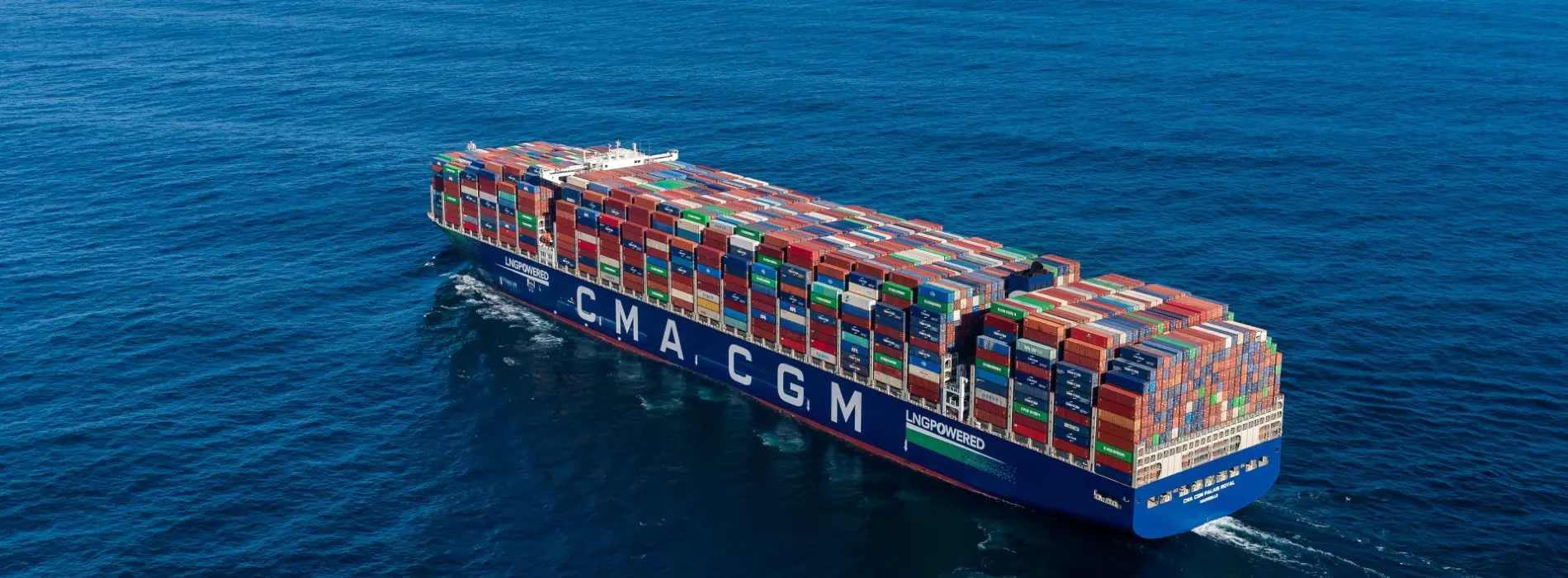
The agreement forms part of CMA CGM’s wider programme to reduce emissions from its shipping activities, which includes investments in LNG and methanol dual-fuel vessels alongside the development of alternative-fuel transport services.
In 2017, the carrier committed to LNG propulsion for ultra-large container ships, a decision that led to the delivery of CMA CGM Jacques Saadé in 2020. The 23,000-TEU vessel was the world’s first LNG-powered container ship of its size, according to the company.
CMA CGM subsequently introduced its ACT transport solutions in 2020. In 2026, the company also introduced CMA CGM NOTRE DAME, described as the largest container ship operating under the French flag and the first in a series of ten new-generation LNG-powered vessels with capacities of 24,212 TEU.
Looking ahead, CMA CGM expects to operate approximately 200 LNG and methanol dual-fuel vessels capable of using lower-carbon energy sources by 2031. This remains a future fleet target rather than the company’s current operational capacity.
The agreement with DSV adds another customer commitment to CMA CGM’s ACT+ programme, with the two companies targeting emissions reductions over the next two years through the use of second-generation biofuels.