BSM strengthens alternative-fuel ship management with Maersk Torino
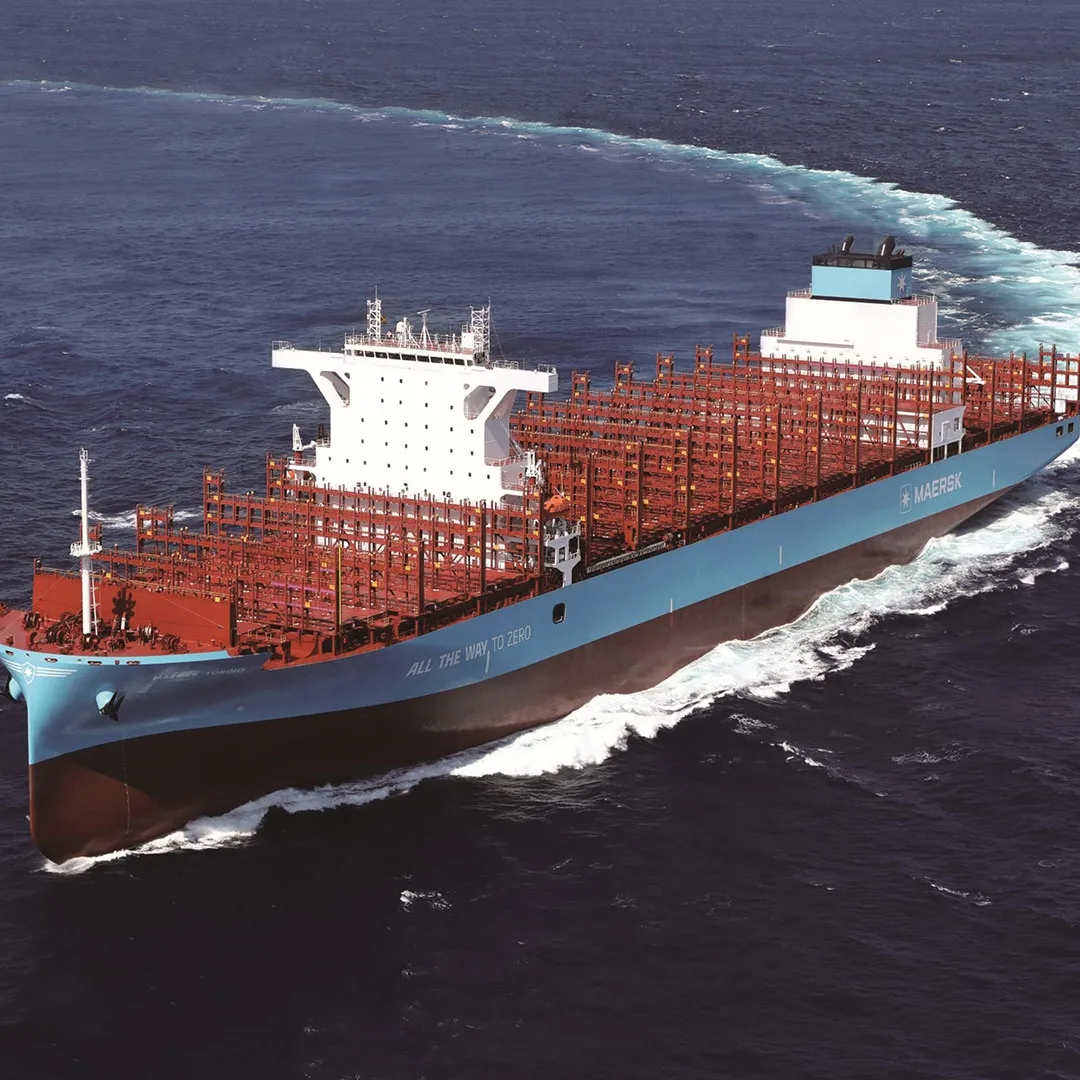
Bernhard Schulte Shipmanagement (BSM) has announced the successful takeover of the Maersk Torino, a methanol-fuelled dual-fuel container vessel, further expanding its experience in the technical and operational management of alternative-fuel ships.
The addition strengthens BSM’s managed fleet of vessels equipped with advanced propulsion technologies and reflects the growing importance of specialised ship management capabilities as the maritime industry explores alternatives to conventional marine fuels.
Operating methanol-capable vessels requires dedicated technical expertise, comprehensive safety procedures and coordination between onboard crews and shore-based management teams.
Managing the operational demands of methanol propulsion
According to BSM, the successful takeover of Maersk Torino demonstrates its ability to manage the operational and safety requirements associated with alternative-fuel vessels.
Methanol presents different handling and storage characteristics compared with conventional marine fuels. As a liquid at ambient temperature and pressure, it does not require the cryogenic storage infrastructure used for liquefied natural gas.
However, methanol propulsion also introduces specific requirements for fuel handling, crew training, equipment maintenance and operational safety.
The company highlighted the importance of compliance with the International Convention for the Safety of Life at Sea (SOLAS) and the International Code of Safety for Ships Using Gases or Other Low-Flashpoint Fuels (IGF Code).
BSM said the transition to managing the vessel was supported by close cooperation among its technical, operational and onboard teams.
Alternative fuels and maritime decarbonisation
The addition of Maersk Torino comes as shipping companies face increasing pressure to improve the environmental performance of their fleets.
European regulatory measures, including the EU Emissions Trading System and FuelEU Maritime, are influencing fuel choices and investment decisions across the maritime sector.
Methanol is among the alternative fuels being adopted in new vessel designs, particularly in container shipping, where dual-fuel propulsion systems provide flexibility in fuel selection.
BSM noted that renewable methanol has the potential to deliver substantial lifecycle greenhouse gas emission reductions compared with conventional marine fuels, depending on its production pathway.
The environmental performance of individual vessels therefore depends not only on their propulsion technology but also on the type and origin of the fuel consumed.
Expanding technical ship management capabilities
BSM said the successful takeover reinforces its ability to manage vessels incorporating newer fuel technologies while maintaining operational safety, regulatory compliance and environmental standards.
The company attributed the transition to cooperation among the teams involved in preparing the vessel for continued operations under its management.
The announcement did not specify the vessel’s technical capacity, the terms of the management arrangement or the fuel currently being consumed onboard.
The development nevertheless adds to BSM’s experience in managing dual-fuel ships as alternative-fuel technologies become more widely integrated into commercial shipping fleets.