Antwerp-Bruges container traffic rebounds despite lower overall throughput
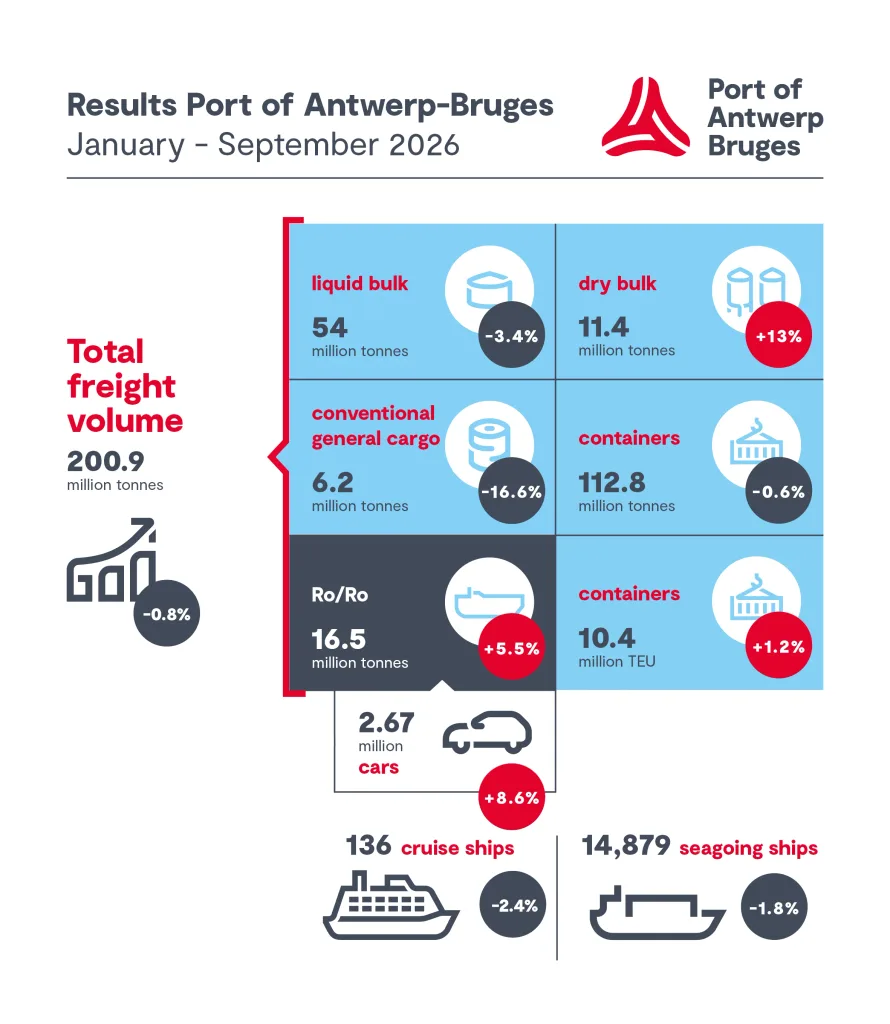
Port of Antwerp-Bruges handled 200.9 million tonnes of cargo during the first nine months of 2026, representing a 0.8% decline compared with the corresponding period last year, according to the port authority’s latest operating figures.
Despite the decrease in total cargo volumes, container throughput recovered during the third quarter following operational disruptions earlier in the year. The port reported its strongest quarterly container performance since the fourth quarter of 2020.
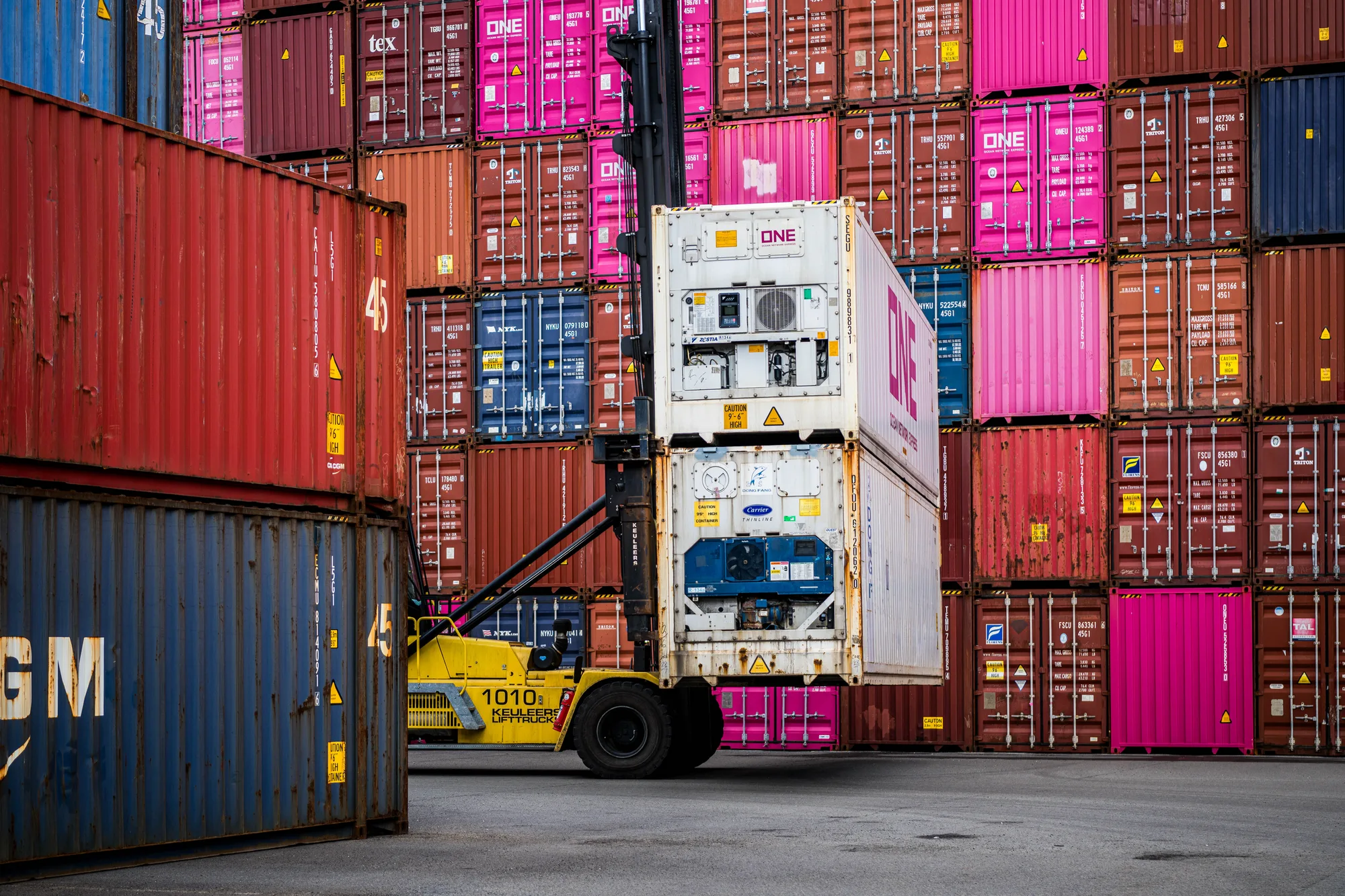
Container traffic increased by 1.2% in TEU terms during the nine-month period, although container tonnage remained 0.6% below the previous year’s level. The increase was driven primarily by empty containers, which rose by 11.7%, while loaded container volumes declined by 1.3%.
Container recovery follows operational disruptions
The recovery followed a challenging first half marked by adverse weather, strikes affecting nautical services and an oil spill in the Deurganck Dock. Operations were disrupted again in July after a damaged container carrying hydrofluoric acid caused problems at the same dock.
According to the port authority, container activity improved from August onwards, contributing to the stronger third-quarter performance.
The continued divergence between loaded and empty containers reflects pressure on European exports and an increasing imbalance between inbound and outbound cargo flows. The port reported a growing need to reposition empty equipment, particularly towards Asia.
Geopolitical developments have also affected shipping patterns. The port stated that no LNG cargoes from Qatar had arrived since March, while diesel supplies from the Middle East had stopped since mid-May.
Container exports to the Persian Gulf declined by 70%, while shipments to other parts of the Middle East increased almost fivefold as shipping companies adjusted their services and routing arrangements.
RoRo and dry bulk increase as industrial cargo weakens
Performance across other cargo categories remained mixed.
RoRo throughput increased by 5.5%, supported by a 9.3% rise in new vehicle volumes, particularly from China and Japan. Cargo movements involving Ireland and Scandinavia increased, while traffic with the United Kingdom and the Iberian Peninsula declined.
Dry bulk throughput rose by 13%, mainly reflecting higher volumes of iron ore and other ores. Fertiliser volumes, however, decreased by 1.1%.
Conventional general cargo declined by 16.6%, with iron and steel throughput falling by 17.5%. The port attributed the weakness to factors including European steel quotas, the Carbon Border Adjustment Mechanism, high energy costs and subdued industrial demand. Fruit and vegetable volumes increased by 7.6%.
Liquid bulk also remained under pressure, with lower volumes of petroleum derivatives, chemicals and LNG.
The port authority said trade barriers, energy costs and weak European manufacturing activity continued to affect cargo flows despite the recovery in container handling.
The results highlight the contrast between stronger container activity in the third quarter and continued weakness across several industrial and energy-related cargo segments.