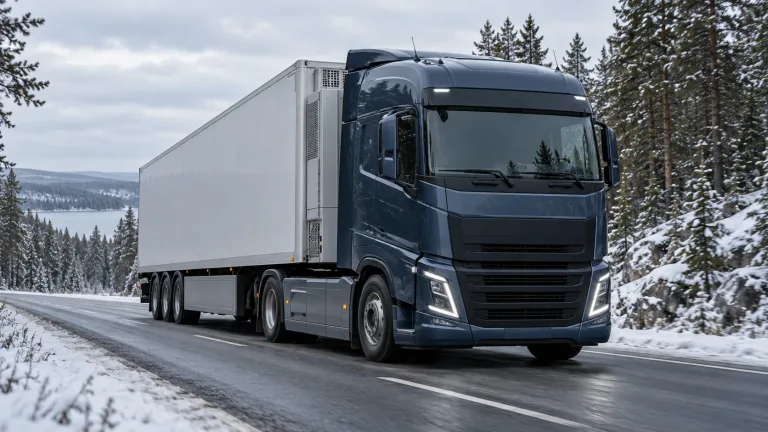
European truck tolls rise as road transport costs increase

Truck toll charges across Europe have increased significantly in recent years, adding to the operating costs faced by road freight transport companies.
According to the International Road Transport Union (IRU), European truck tolls have risen by approximately 20% since 2023, reflecting changes to national road charging systems and the introduction of new pricing structures linked to vehicle emissions.
The developments affect heavy goods vehicle operators using European road networks, with toll expenses forming part of the costs associated with domestic and international freight transport.
Several European countries have introduced or revised road charging arrangements that take account of carbon dioxide emissions, alongside existing criteria such as vehicle weight and distance travelled.
Different tolling systems across Europe
The IRU notes that European countries continue to operate different charging systems. Cyprus, Malta and Finland do not impose truck tolls, while 11 EU countries use distance-based charging, calculated according to kilometres travelled.
The organisation identifies a broader shift towards kilometre-based charging and CO₂-related pricing. It also reports that national tolling arrangements changed frequently during 2026, with further developments expected in early 2027.
These differences require international road freight operators to account for varying toll structures when planning journeys across multiple countries.
The IRU’s assessment highlights how road charging has become an increasingly important component of freight transport costs, alongside fuel and other operating expenses.