Rosatom takes full control of Delo Group in Russian logistics consolidation
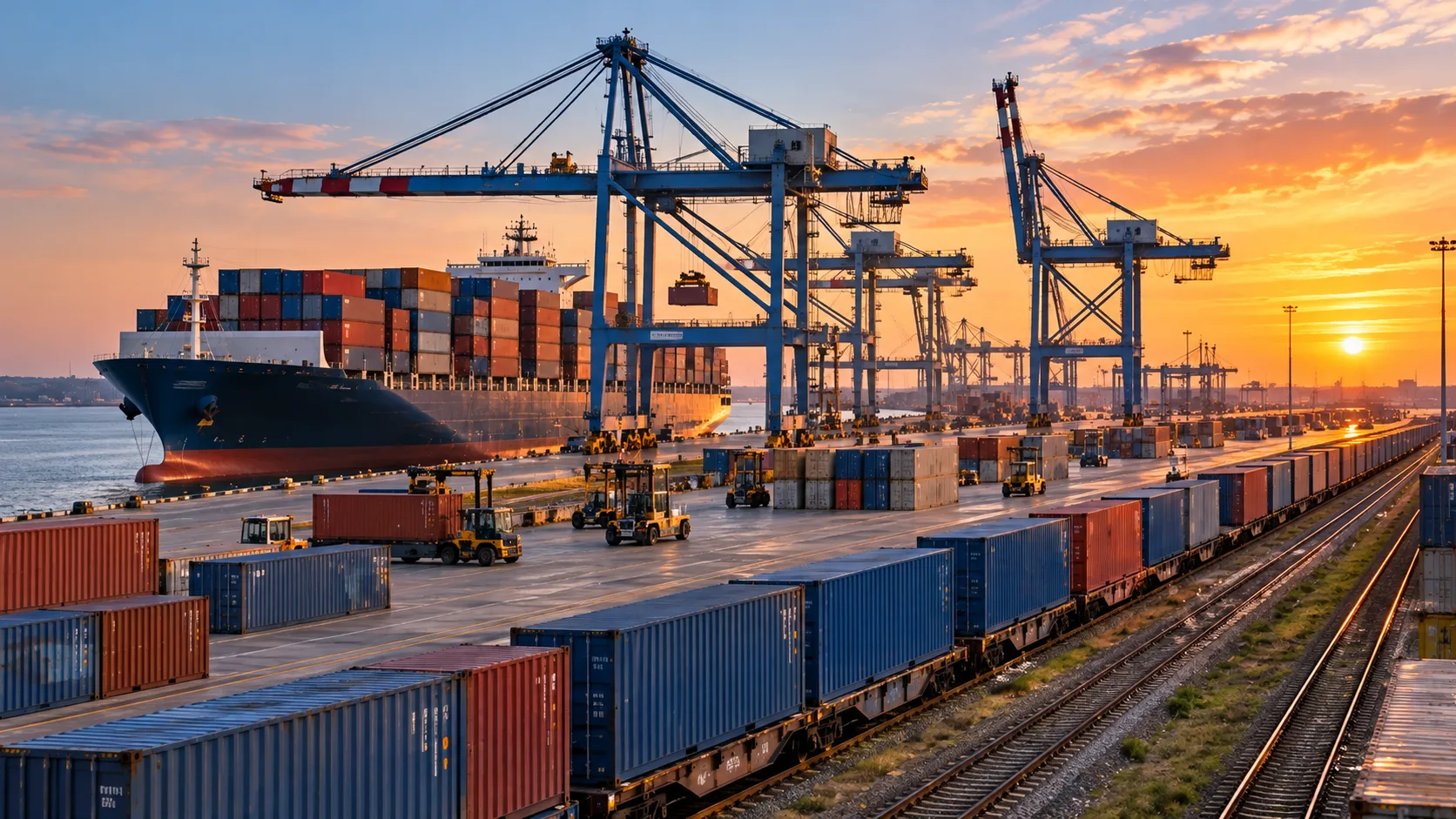
Rosatom has completed the acquisition of Delo Group and is preparing to consolidate its shipping, port and rail logistics assets, including those operated by FESCO.
Russia’s state-owned nuclear corporation Rosatom has acquired full ownership of Delo Group, one of the country’s largest container transport and logistics operators, following the purchase of the remaining 51% stake from company founder Sergei Shishkarev.
The transaction, announced on 7 October 2026, increases Rosatom’s ownership from 49% to 100% and marks a significant development in the restructuring of Russia’s transport and logistics sector.
The acquisition brings Delo’s container terminals, rail transport operations and inland logistics infrastructure under Rosatom’s full control. The corporation is also preparing to consolidate these activities with its existing logistics businesses, including FESCO.
Rosatom prepares wider logistics consolidation
Rosatom Director General Alexei Likhachev confirmed the acquisition and said the corporation was beginning the final consolidation of its logistics assets, with the objective of creating Russia’s largest national logistics company.
According to figures cited by Rosatom, its logistics businesses account for approximately 50% of Russia’s container handling market and 44% of the country’s rail container transport market. These percentages reflect the corporation’s assessment of its market position.
The planned consolidation would bring together Delo’s terminal and rail operations with FESCO’s maritime services, port infrastructure and intermodal transport network.
Rosatom is also responsible for developing the Northern Sea Route, connecting its wider maritime infrastructure activities with its growing logistics portfolio.
However, while the acquisition of Delo Group has been completed, the integration of Rosatom’s transport businesses remains a separate process. No detailed timetable for the wider consolidation has been announced.
Delo’s container and transport network
Founded in 1993, Delo Group operates across container shipping, marine terminals, rail transport and inland logistics.
According to the company’s corporate information, its infrastructure includes seven marine terminals and 46 inland terminals, with annual handling capacities of approximately 3.5 million TEU and 3.6 million TEU, respectively.
The group also operates around 40,000 container flatcars and a container fleet with total capacity of approximately 220,000 TEU, alongside its own vessels.
Its port activities cover Russia’s Black Sea, Baltic and Far Eastern regions, while its logistics subsidiaries provide domestic and international container transport services.
Beyond container logistics, Delo controls grain handling infrastructure, including the KSK terminal at Novorossiysk.
The proposed integration with FESCO would place these assets within a broader transport structure covering maritime shipping, port operations and inland distribution.
Acquisition follows shareholder disagreements
The transaction follows disagreements between Rosatom and Delo Group founder Sergei Shishkarev over the company’s future.
Shishkarev confirmed the sale of his controlling stake in a statement published on Delo Group’s official website, bringing an end to the partnership established with Rosatom in 2019.
The acquisition followed a shareholder buyout procedure initiated earlier in 2026. Under that mechanism, Shishkarev’s 51% stake was valued at 77 billion rubles, although the final consideration paid was not publicly disclosed.
Shishkarev also indicated that he intends to remain active in Russia’s logistics industry following his departure from Delo Group.
With the ownership transaction completed, Rosatom’s next step is the planned consolidation of its logistics businesses, including Delo and FESCO. The structure and implementation timetable of that integration have yet to be confirmed.