Port of Los Angeles records busiest month in its history
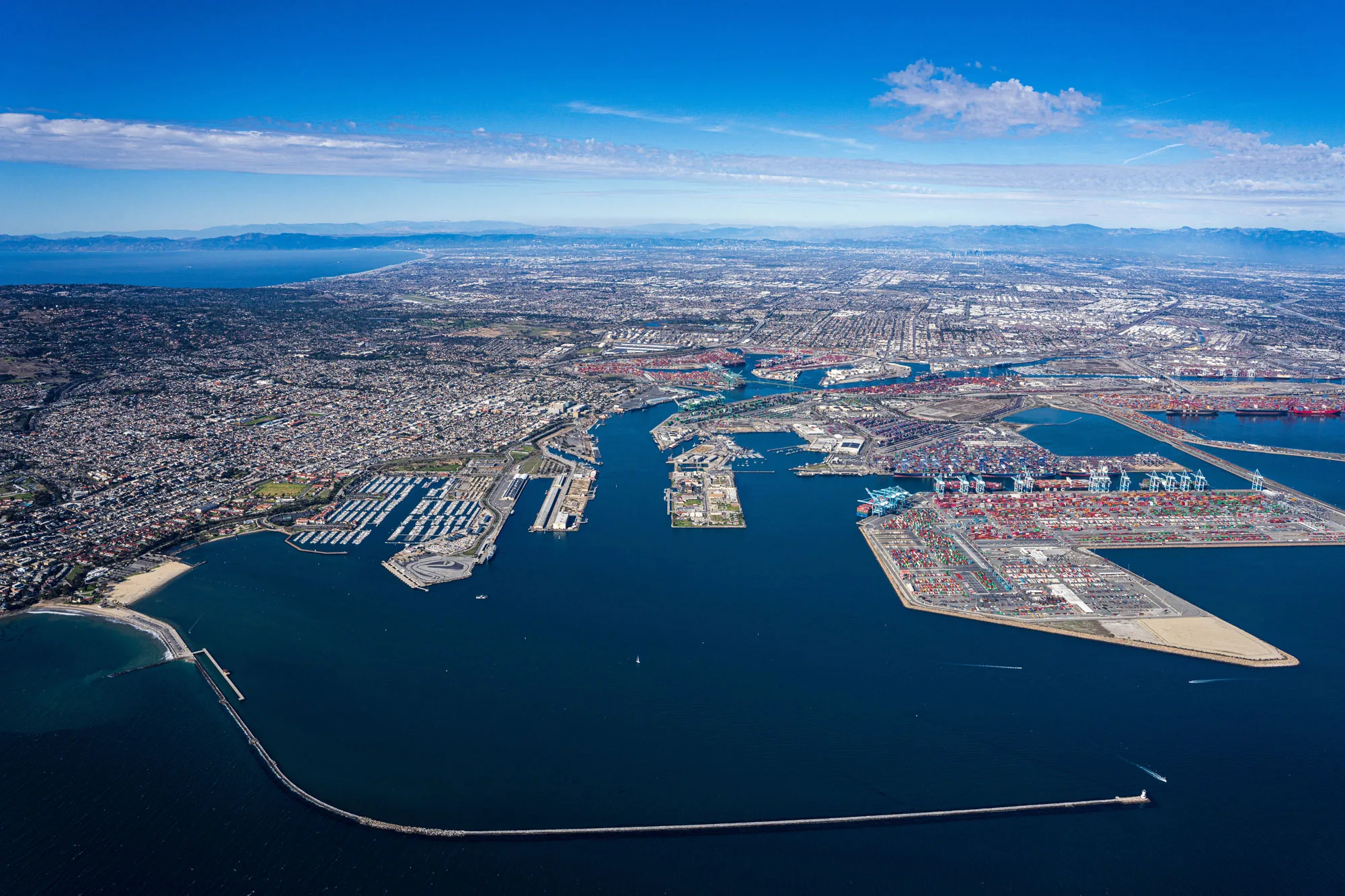
The Port of Los Angeles handled a record 1,042,652 TEUs in September 2026, marking the busiest month in its 118-year history and surpassing the previous monthly record, set in July 2025, by more than 20,000 TEUs.
The September performance also completed the busiest quarter in the port’s history, with nearly 3 million TEUs handled between July and September. Over the four-month period from June through September, throughput approached 4 million TEUs, establishing another record for the port.
During the first nine months of 2026, the Port of Los Angeles handled nearly 8.1 million TEUs, representing an increase of more than 3% compared with the corresponding period of 2025.
Imports and exports contribute to record performance
Loaded imports reached 545,696 TEUs in September, an increase of 19% compared with the same month last year. Loaded exports rose by 10% year-on-year to 125,751 TEUs, while empty-container movements totaled approximately 371,206 TEUs, the highest monthly figure recorded by the port.
The figures show growth across both loaded import and export volumes, alongside a record level of empty-container handling.
Port Executive Director Gene Seroka attributed the strong performance to several factors, including continued consumer demand, inventory replenishment by importers and changes in cargo allocation across international shipping routes.
“Consumer demand remains resilient, importers are replenishing inventories and more cargo is being allocated to Los Angeles as shippers navigate continued challenges along other global trade routes,” said Seroka.
He also acknowledged the contribution of the port’s workforce and supply chain partners in handling the record volumes while maintaining cargo movements.
Tariffs and global trade routes influence cargo flows
During the port’s monthly media briefing, Seroka said tariff levels had declined compared with earlier in 2026, providing importers with greater certainty over costs and allowing them to replenish inventories.
He also identified continued consumer spending and challenges affecting the Suez and Panama Canal routes as factors contributing to the port’s cargo performance.
Harvard Business School Professor Willy Shih, who participated in the briefing, discussed how businesses are adjusting their sourcing and manufacturing strategies in response to changing trade policies and supply chain conditions.
“Companies are moving from purely optimizing for cost to optimizing for options,” said Shih.
According to Shih, uncertainty in international trade is encouraging companies to seek greater flexibility in sourcing, manufacturing and cargo transportation.
Los Angeles Mayor Karen Bass also highlighted the port’s economic role and acknowledged the contribution of the International Longshore and Warehouse Union (ILWU) workforce to its operations.
The Port of Los Angeles enters the final quarter of 2026 following record monthly, quarterly and four-month throughput figures, with its year-to-date container volume remaining above the corresponding level recorded in 2025.