Port of Zeebrugge expands wind energy capacity
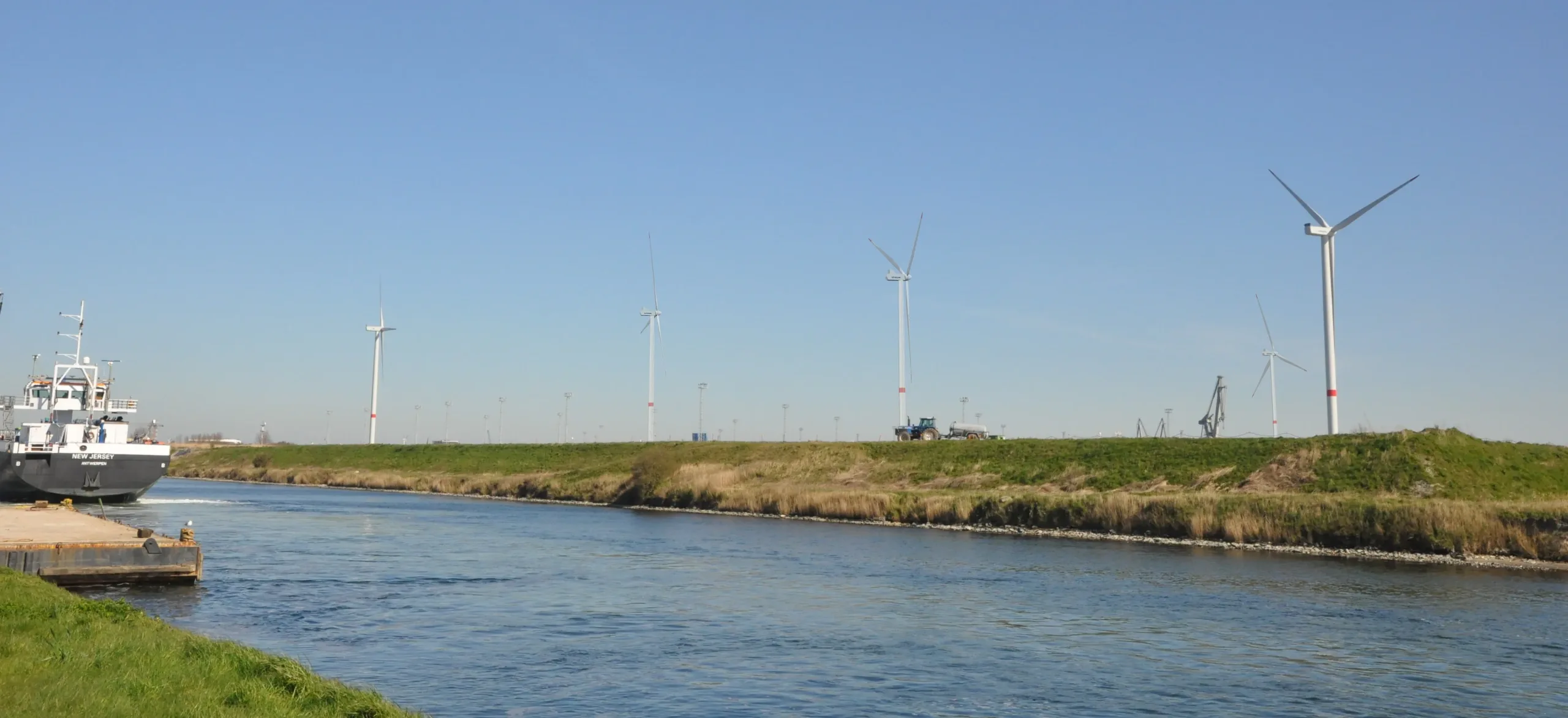
ENGIE, Port of Antwerp-Bruges and Portfineco are moving forward with the construction of eight new wind turbines at the Port of Zeebrugge, expanding renewable electricity generation across the Belgian port’s industrial and terminal areas.
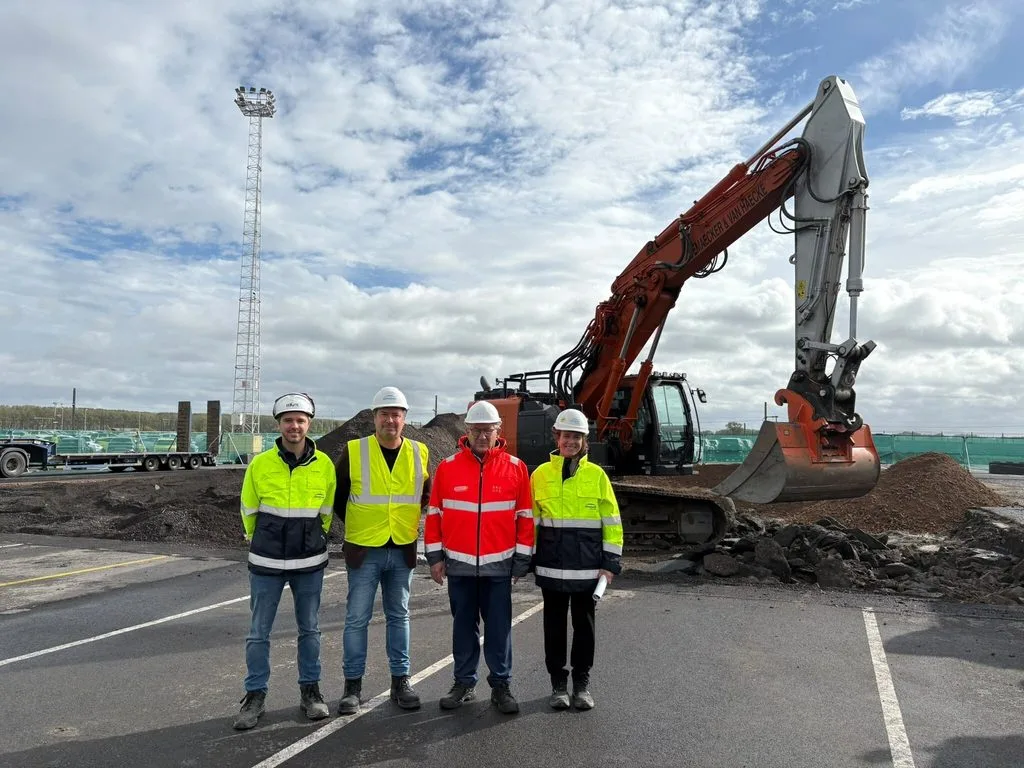
Preparatory groundworks are scheduled to begin in October 2026, with the project expected to become operational in early 2028.
The new Port of Zeebrugge wind turbines will have a combined installed capacity of 42.6 megawatts (MW) and are expected to generate approximately 115 gigawatt-hours (GWh) of electricity annually.
According to the project partners, this output would be equivalent to the average annual electricity consumption of approximately 33,000 Belgian households.
The development is being financed jointly by ENGIE, Port of Antwerp-Bruges and Portfineco, a company owned equally by Zefier and Port of Antwerp-Bruges.
Port of Zeebrugge wind turbines planned across three sites
The eight turbines will be installed at three locations within the port, using land operated by Wallenius Wilhelmsen and International Car Operators (ICO).
Three turbines will be constructed at the Wallenius Wilhelmsen RoRo terminal on Alfred Ronsestraat. These will be Vestas V150-6.0 MW models, each featuring a rotor diameter of 150 metres and a maximum tip height of 200 metres.
The remaining five turbines will be installed at ICO facilities.
Two Vestas V150-6.0 MW turbines will be located at the Southern Inlet Dock, while three Vestas V136-4.2 MW turbines will be constructed at the Northern Inlet Dock.
The latter models will have a rotor diameter of 136 metres and a tip height of 180 metres.
Planned wind turbine installations
| Location | Turbines | Model |
|---|---|---|
| Wallenius Wilhelmsen RoRo terminal | 3 | Vestas V150-6.0 MW |
| ICO Southern Inlet Dock | 2 | Vestas V150-6.0 MW |
| ICO Northern Inlet Dock | 3 | Vestas V136-4.2 MW |
| Total | 8 | 42.6 MW |
The installations will expand the port’s existing renewable energy infrastructure while making use of established terminal and industrial locations.
The announcement does not disclose the project’s total investment cost.
Construction schedule extends into 2028
The first stage of construction will involve preparatory civil works beginning in October 2026.
The turbines are expected to become visible on the Zeebrugge skyline during the second half of 2027, when the towers, nacelles and blades are scheduled for installation.
Electricity generation is planned to begin in early 2028.
ENGIE will be responsible for the operational management of the wind turbines on behalf of the joint venture company Seagull I.
The project builds on previous wind energy investments at the port.
In 2020, ENGIE, ICO and Portfineco commissioned an 11-turbine wind farm at the ICO premises, with a combined installed capacity of 44 MW.
The latest development will introduce an additional 42.6 MW of capacity at Zeebrugge, bringing the combined capacity of these two projects to 86.6 MW once the new installations become operational.
The companies have not specified how much of the electricity generated by the new turbines will be consumed directly by port businesses or supplied to the wider electricity network.
Renewable energy investment at Belgian ports
The project forms part of broader efforts to increase renewable electricity generation within the Port of Antwerp-Bruges.
ENGIE currently operates 217 wind turbines across Belgium, representing a combined installed capacity of 611 MW, according to the company.
Vincent Verbeke, CEO of ENGIE Belgium, identified ports and industrial areas as suitable locations for further renewable energy development.
“To further expand our renewable electricity generation capacity, we are primarily looking at more large-scale projects in suitable locations, such as port and industrial areas, which are so important to the Belgian economy,” said Verbeke.
For Port of Antwerp-Bruges, the development also contributes to its ambition of reaching 500 MW of installed wind capacity across its port platforms by 2030.
Dirk De fauw, Vice-Chairman of Port of Antwerp-Bruges and Mayor of Bruges, said the latest project represented further progress towards that target.
The port authority has not disclosed its current total installed wind capacity in the announcement, making it difficult to determine precisely how much additional capacity will be required to reach the 2030 objective.
Public and private partners support expansion
The development involves cooperation between a commercial energy producer, the port authority and a public-sector investment partner.
Portfineco is jointly owned by Zefier and Port of Antwerp-Bruges, with each holding a 50% stake.
Zefier represents 160 shareholder municipalities and participates in renewable energy investments.
Henk Kindt, Chairman of Zefier, highlighted the organisation’s continued involvement in renewable energy projects through its partnership with the port authority.
The financing arrangement brings together ENGIE, Port of Antwerp-Bruges and Portfineco, while operational responsibility will rest with ENGIE through Seagull I.
Once commissioned, the eight turbines are expected to contribute approximately 115 GWh of renewable electricity annually.
The project will also expand wind generation infrastructure at two major vehicle-handling terminal operators, Wallenius Wilhelmsen and ICO.
With construction beginning in October 2026 and electricity production expected in early 2028, the development represents another stage in the expansion of renewable energy infrastructure within the Port of Antwerp-Bruges.