DHShipbuilding reports stronger profits as high-value vessel construction advances
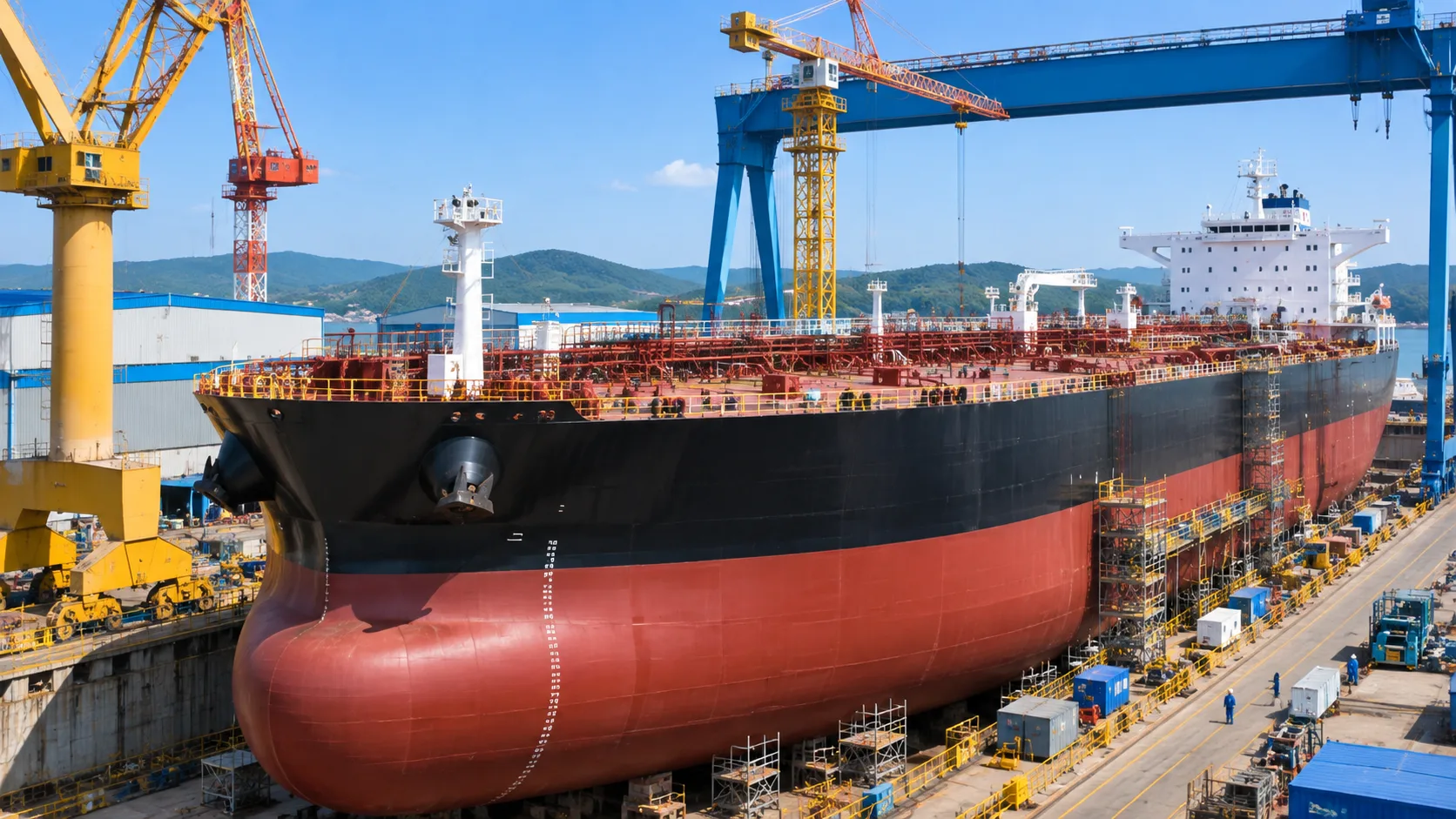
South Korea’s DHShipbuilding reported higher operating earnings for the first nine months of 2026, supported by the construction of higher-priced vessels and improved shipyard productivity, while maintaining a substantial order backlog led by Suezmax crude oil tankers.
The shipbuilder generated consolidated revenue of KRW 990.4 billion during the nine-month period, an increase of 12.8% compared with the corresponding period of 2025. Operating profit rose by 31.1% to KRW 260.6 billion, resulting in an operating profit margin of 26.3%.
For the third quarter alone, DHShipbuilding recorded revenue of KRW 327.7 billion and operating profit of KRW 82.7 billion, equivalent to an operating margin of approximately 25.2%.
The company attributed its earnings performance primarily to the increasing contribution of vessels contracted at higher prices in 2024, alongside productivity improvements associated with repeated construction of its principal vessel types.
Shipyard profitability remains elevated
DHShipbuilding has now maintained operating profit margins above 20% for eight consecutive quarters, including four consecutive quarters with margins exceeding 25%.
The latest results extend the company’s earnings recovery despite fewer operating days and less favourable exchange rate movements during the third quarter.
Operating profit for the first nine months represented approximately 89% of the KRW 294.1 billion generated during the full year of 2025. If its recent earnings performance continues, the shipbuilder could exceed its previous annual operating profit, although the outcome will depend on fourth-quarter construction activity and costs.
The company has benefited from the execution of higher-value shipbuilding contracts and improved production efficiency. Repeated construction of established vessel designs has helped streamline manufacturing processes, contributing to operating profit growth that has exceeded the increase in revenue.
Suezmax orders support future shipbuilding activity
DHShipbuilding’s order portfolio continues to be dominated by crude oil tanker construction.
During 2026, the company secured contracts for 17 Suezmax crude oil tankers with a combined value of approximately USD 1.5 billion, exceeding its annual order target by 62%.
The 17-vessel figure represents orders accumulated earlier in the year rather than new contracts announced alongside the third-quarter results.
As of the end of September, the shipbuilder’s order backlog comprised 35 vessels with a combined value of approximately USD 3.3 billion. The backlog provides visibility over future construction activity, with the company’s existing vessel commitments extending into the coming years.
The concentration of orders in the Suezmax segment reflects DHShipbuilding’s established position in tanker construction and its strategy of prioritising higher-value contracts.
Alongside Suezmax tankers, the shipyard’s broader construction portfolio includes shuttle tankers and container vessels.
Shareholder return policy introduced
The earnings announcement follows DHShipbuilding’s decision on 10 November to establish a three-year shareholder return policy covering 2027 to 2029.
Under the policy, the company plans to return at least 30% of its annual consolidated net income to shareholders through a combination of cash dividends, share repurchases and share cancellations.
The board also approved an additional KRW 10 billion share buyback, with further decisions on capital returns expected following the completion of annual financial statements.
The shareholder return programme accompanies the company’s efforts to strengthen its financial position and distribute part of its earnings to investors.
DHShipbuilding’s latest performance highlights the contribution of higher-priced vessel contracts and production efficiency to shipyard profitability. Its existing tanker order backlog provides a foundation for continued construction activity, although future earnings will remain dependent on project execution, operating costs and market conditions.