FESCO adds second containership to South Korea service
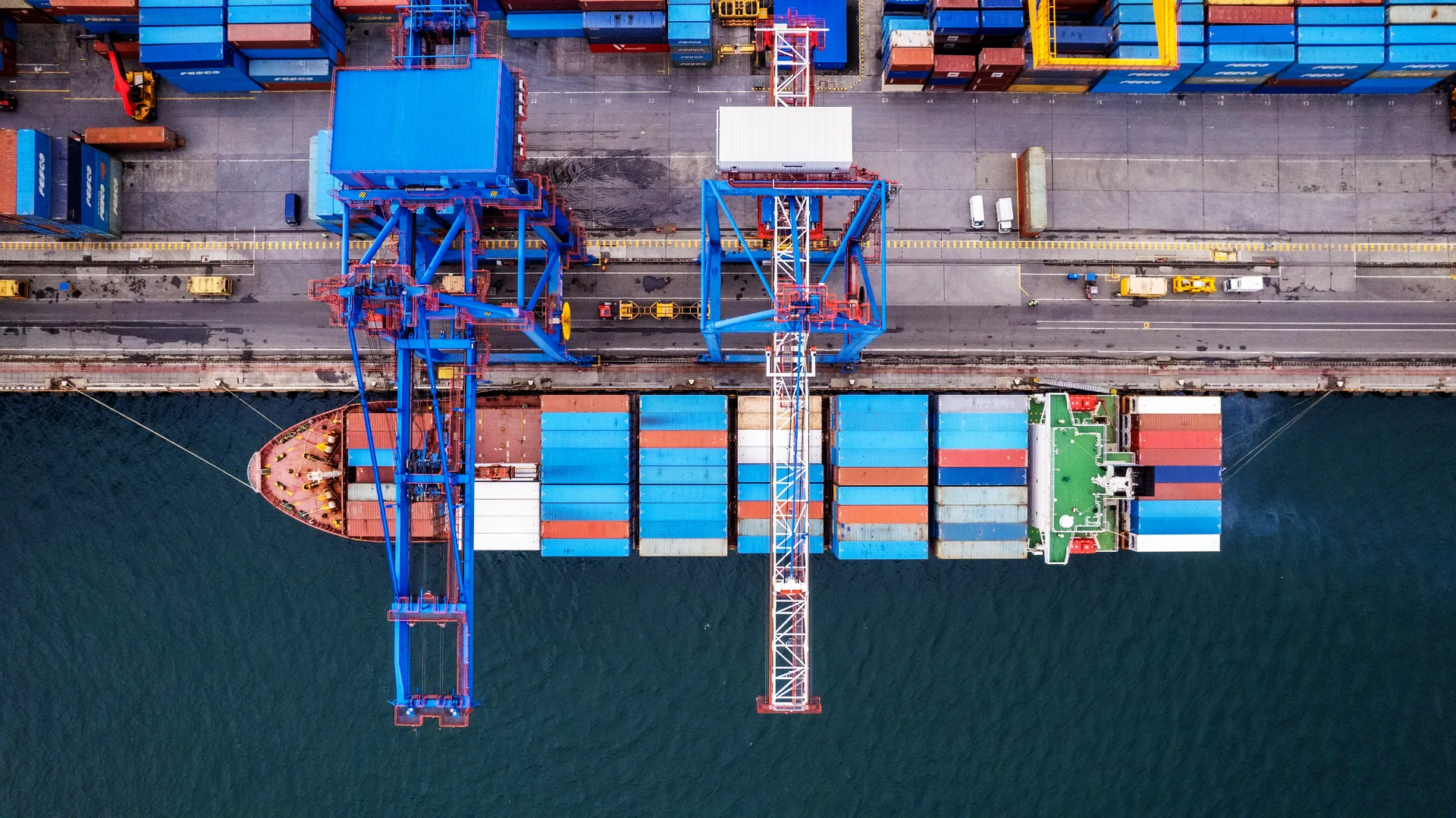
FESCO has deployed a second containership on its Korea Soviet Direct Line (KSDL), connecting Vladivostok in Russia with Busan in South Korea, following an increase in container traffic between the two countries.
The additional vessel has a capacity of 500 TEU and is expected to allow the service to operate departures every four days. The deployment is intended to improve sailing frequency and provide greater flexibility for customers using the route.
During the first nine months of 2026, container volumes transported on the KSDL service exceeded 42,600 TEU, representing a 12% increase compared with the corresponding period of 2025. Import shipments rose by 26% to almost 28,000 TEU, accounting for a substantial share of the service’s overall traffic.
Imports carried on the route include motor oils, automotive components, chemicals, food products and fruit. Some of these shipments originate in Southeast Asian countries, including Indonesia, Singapore and the Philippines, and are transferred through Busan before continuing to Vladivostok.
In the opposite direction, export cargo includes forestry products, metals, vegetable and animal oils transported in flexitanks, and temperature-sensitive goods carried in refrigerated containers.
“Against the backdrop of growing cargo flows on this route, the second containership will allow us to increase the frequency of departures on the KSDL service and provide customers with more opportunities to plan shipments,” said Alexander Rudenko, Director of FESCO Integrated Transport’s Vladivostok branch.
Rudenko also highlighted the integration of the maritime service with FESCO’s rail network from Vladivostok. This enables containers arriving from South Korea to continue to other Russian regions, as well as destinations in Central Asia and Belarus.
The KSDL service has operated since July 1991 and is among FESCO’s longest-running maritime connections. Alongside its principal Vladivostok–Busan route, it also includes calls at the South Korean port of Gwangyang.
Through transshipment arrangements in Busan, FESCO provides connections to additional ports in Southeast Asia and Japan. The service carries containerised cargo in both directions, with the latest vessel deployment aimed at accommodating higher volumes and increasing sailing frequency.