Shanghai and Melbourne advance green shipping corridor with implementation plan
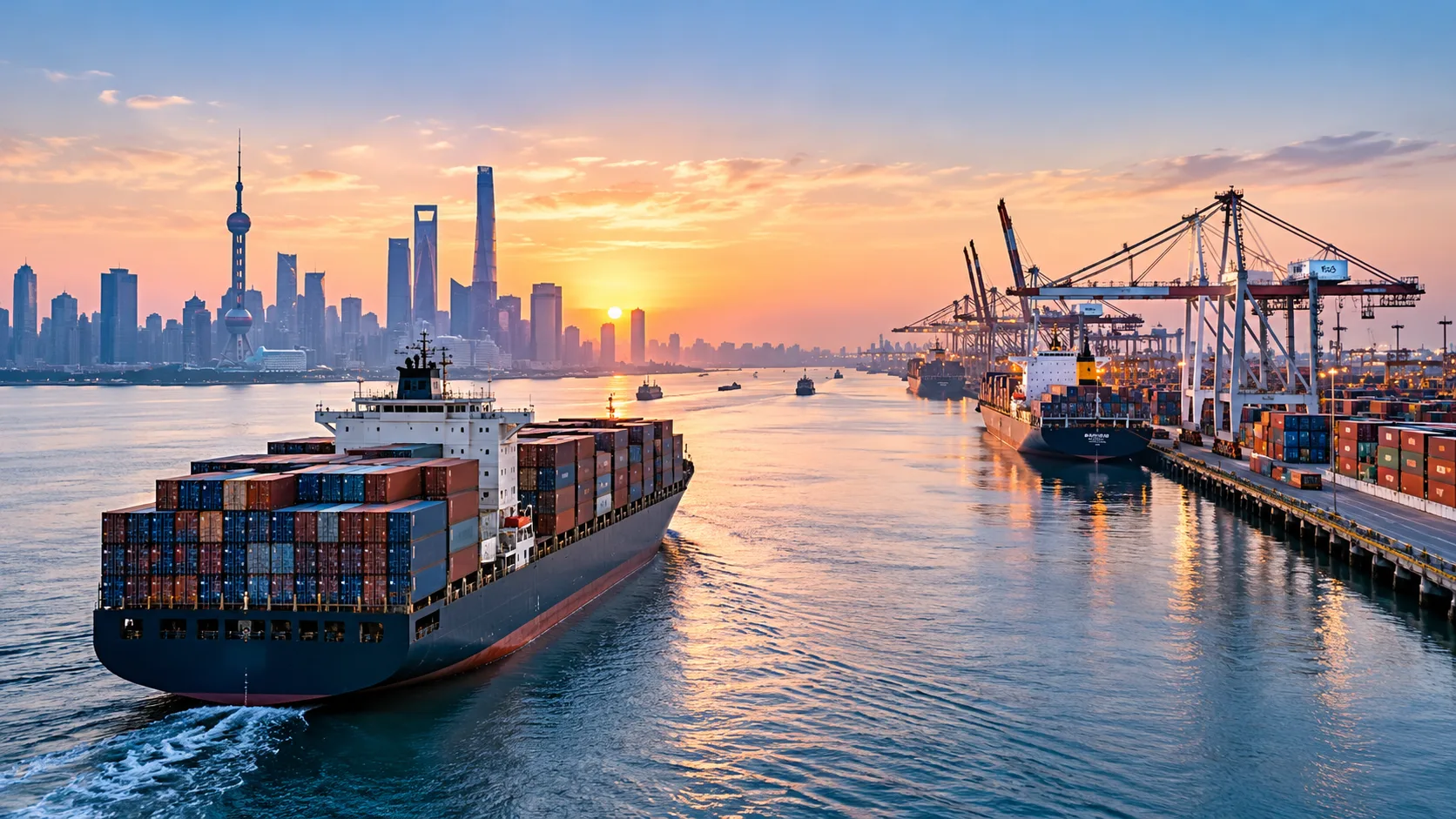
The Port of Shanghai, the Port of Melbourne and C40 Cities have launched an implementation plan for the Shanghai–Melbourne Green Shipping Corridor, moving the initiative into its next phase with measures aimed at reducing emissions from maritime transport and port operations.
The corridor was established in October 2025 during the North Bund Forum in Shanghai. The newly announced plan sets out actions involving alternative marine fuels, port infrastructure, vessel deployment and digital connectivity, with the participation of shipping companies and energy suppliers.
The initiative brings together the Shanghai Municipal Transportation Commission, the Port of Melbourne and C40 Cities, alongside industry partners including Shanghai International Port Group (SIPG) and COSCO Shipping Lines.
Cleaner fuels and container vessels targeted by 2035
A central objective of the implementation plan is to complete baseline and feasibility studies and deploy one or more container vessels using non-fossil-based low-carbon fuels on the Shanghai–Melbourne route by 2035.
The partners intend to support the adoption of green methanol and other low-carbon fuels by coordinating with shipping lines, fuel producers and suppliers.
Shanghai has established a target of reaching annual bunkering capacity of one million tonnes for green methanol and biofuels. Meanwhile, the Port of Melbourne will examine the feasibility of developing alternative-fuel bunkering capabilities.
The initiative also involves energy companies including HAMR Energy, ABEL Energy and Shenergy, while China Classification Society is contributing expertise related to fuel standards and certification.
These measures remain part of the corridor’s implementation programme and do not represent confirmation that low-carbon container services have already commenced on the route.
Shore power and digital connectivity form part of the plan
The implementation plan also includes feasibility assessments for shore power infrastructure at the Port of Melbourne, supporting efforts to reduce emissions from vessels while berthed.
Further cooperation will focus on digitalisation, including port-to-port and ship-to-port data connectivity, voyage optimisation and interoperable information systems.
The partners aim to improve operational efficiency, supply chain visibility and emissions performance through closer coordination between ports and shipping operators.
The Port of Melbourne has committed to achieving net-zero emissions from its own operations by 2030, while the corridor initiative addresses wider emissions associated with maritime transport.
The announcement coincides with the 20th anniversary of the sister-port relationship between Shanghai and Melbourne. According to the Port of Melbourne, China accounts for approximately 50% of its container imports and 20% of its container exports.
The new implementation plan establishes a framework for further investment and cooperation, with the deployment of low-carbon vessels and supporting infrastructure dependent on subsequent feasibility work and development decisions.