RCL profits rise as higher freight rates offset falling cargo volumes
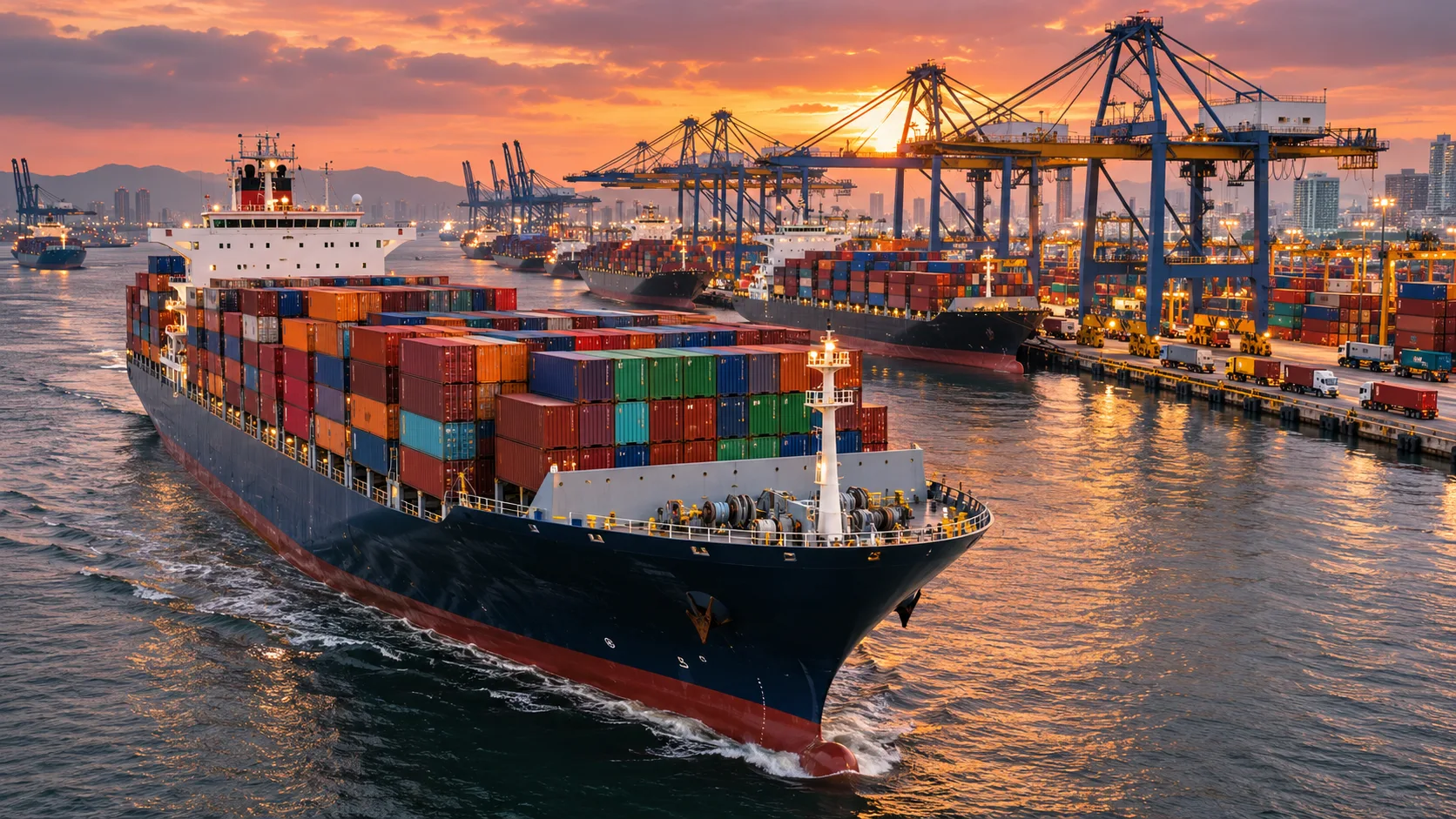
Thailand-based container carrier Regional Container Lines (RCL) reported a sharp increase in third-quarter profitability, supported by stronger freight rates despite lower cargo volumes and continuing disruption across international shipping networks.
The company recorded a net profit of THB 3.26 billion for the three months ended 30 September 2026, an increase of 64.7% from THB 1.98 billion in the preceding quarter. Freight income rose by THB 1.05 billion, or 10.4%, while freight and operating costs declined by 2.4% during the same period.
The improvement came despite a 4.1% reduction in container liftings, highlighting the contribution of higher freight rates to the carrier’s financial performance. RCL’s average freight rate increased from USD 552 per TEU in the second quarter to USD 624 per TEU in the third quarter, reflecting market conditions influenced by port congestion and the conflict in the Middle East.
Congestion and freight rates shape performance
For the first nine months of 2026, RCL reported a net profit of THB 6.91 billion, representing an 8.6% increase from THB 6.36 billion during the corresponding period of 2025. Freight income increased by 7.5%, supported by higher average rates across the company’s services.
The average freight rate for the nine-month period reached USD 520 per TEU, compared with USD 420 per TEU a year earlier. However, total cargo liftings declined by approximately 232,000 TEU, equivalent to an 11.7% reduction.
According to RCL, congestion at major ports extended vessel waiting times and round-trip voyages, reducing the number of journeys that could be completed and limiting transported volumes. Freight and operating costs also increased by 7.1% over the nine-month period, partly reflecting the impact of the Middle East conflict.
The company identified disruptions to shipping routes and containers stranded across global networks among the main operational challenges during the third quarter. Congestion in Asian and European ports, including disruption associated with industrial action, also contributed to elevated freight rates.
RCL said the Shanghai Containerized Freight Index remained above its year-earlier level during the period, although rates gradually eased following the end of the peak shipping season.
To manage these conditions, the carrier adjusted vessel routes to avoid conflict-affected areas and reallocated capacity towards services experiencing stronger demand. These measures were intended to maintain fleet utilisation while responding to changes in cargo flows and available shipping capacity.
Fleet expansion continues with new vessel orders
Alongside its financial results, RCL disclosed orders placed during the third quarter for 12 new container vessels, representing a combined nominal capacity of 44,600 TEU.
The orders comprise four 1,900 TEU vessels, six 3,100 TEU vessels and two larger 9,200 TEU containerships. Deliveries and deployment are expected to begin from 2028 onwards, supporting the carrier’s fleet development and network expansion plans.
The newbuilding programme comes as RCL continues to introduce vessels from earlier orders. On 24 September, the company held a naming ceremony in Guangzhou, China, for three 4,488 TEU containerships: Anitta Bhum, Benyapar Bhum and Chantisa Bhum.
The three vessels belong to a previously contracted series of ten ships. Anitta Bhum has already entered service on the East Asia–Latin America trade, while Benyapar Bhum and Chantisa Bhum are scheduled to join the fleet during the fourth quarter of 2026.
The two remaining vessels are intended for services connecting Asia with the Indian Subcontinent and South China with Southeast Asia, respectively.
The company also approved an interim dividend of THB 0.50 per share, with payment scheduled for 4 December 2026.
RCL’s latest results illustrate the contrasting pressures affecting container shipping operators in 2026. While port congestion and geopolitical disruption have constrained vessel productivity and cargo volumes, stronger freight rates have supported earnings, providing a more favourable financial environment for the carrier’s ongoing fleet investment programme.