DB Cargo begins phased rollout of new digital intermodal platform

DB Cargo is replacing key elements of its combined transport order management infrastructure with a new digital platform, as the German rail freight operator moves towards closer integration of continental rail services and maritime container transport.
The Rail Order Fulfillment Platform (ROFiP) is being introduced gradually to replace functions handled by the company’s longstanding LPK system, which has supported combined transport order processing for more than 25 years. The new platform is based on Catkin’s cOperator software and has been adapted to meet DB Cargo’s operational requirements.
The first national service was successfully migrated to ROFiP in April 2026, marking the initial operational stage of the programme. Further national continental combined transport services are scheduled to move to the new system from November 2026, with the transition expected to extend to maritime services and seaport terminal connections during 2027.
DB Cargo aims to complete the migration of its continental and maritime combined transport activities by the end of 2027.
Digital order processing enters operational rollout
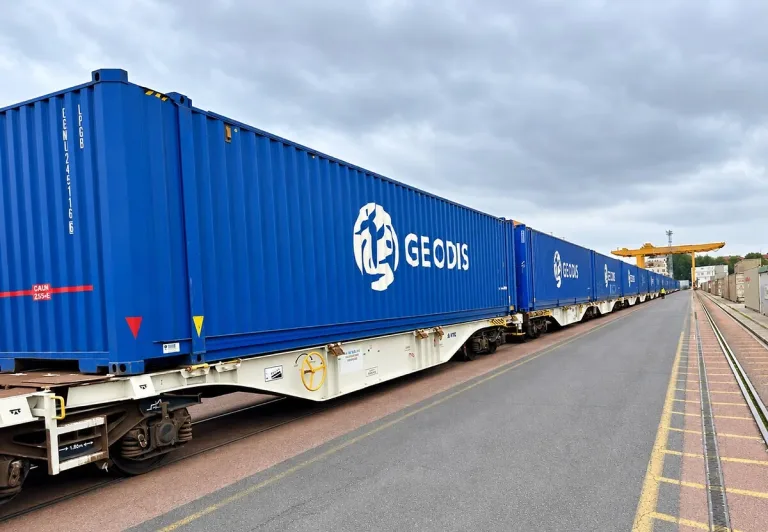
Combined transport involves the movement of containers, swap bodies and craneable semi-trailers across rail, road and maritime networks, requiring continuous information exchange between customers, terminals and transport operators.
DB Cargo’s new platform is designed to support order management and improve the digital coordination of these activities, while making it easier to connect national subsidiaries and external partners.
The first migration, completed in April, included the integration of key interfaces with production and billing systems. According to the company, this initial deployment demonstrated that the platform could support day-to-day transport operations.
The next stage involves moving additional national combined transport services onto ROFiP. DB Cargo also expects terminal loading instructions to be largely automated through the platform as the November rollout progresses.
Dorothée Appel, Chief Information Officer and Chief Digital Officer at DB Cargo, said the new infrastructure is intended to provide greater flexibility as operational requirements evolve.
“With the new platform, we are laying the foundation for future-ready order processing in combined transport,” said Appel.
Existing customers that already exchange transport orders digitally with DB Cargo will continue using their current interfaces. Incoming order data will be transferred to the new platform in the background, without requiring an immediate change to their established communication arrangements.
Maritime container services scheduled for 2027
Following the migration of national continental services, DB Cargo plans to extend ROFiP to its maritime combined transport operations during 2027.
This phase is expected to include connections with seaport terminals, supporting the exchange of operational information between rail freight activities and maritime container logistics.
In parallel, the company is preparing the infrastructure needed to process international combined transport services through the same platform.
The planned transition is part of DB Cargo’s wider efforts to modernise its operational systems and improve coordination across its European freight network.
The company has not disclosed the financial investment associated with ROFiP or provided quantified productivity improvements from the initial deployment.
Its immediate focus is therefore on completing the migration of existing services, expanding automation within order and terminal processes, and establishing a common digital infrastructure for continental and maritime operations.
The full implementation, currently scheduled for the end of 2027, would replace significant elements of the company’s existing combined transport order management arrangements with a more integrated digital system.