Grindrod completes South Africa’s first private freight train operation under open-access framework
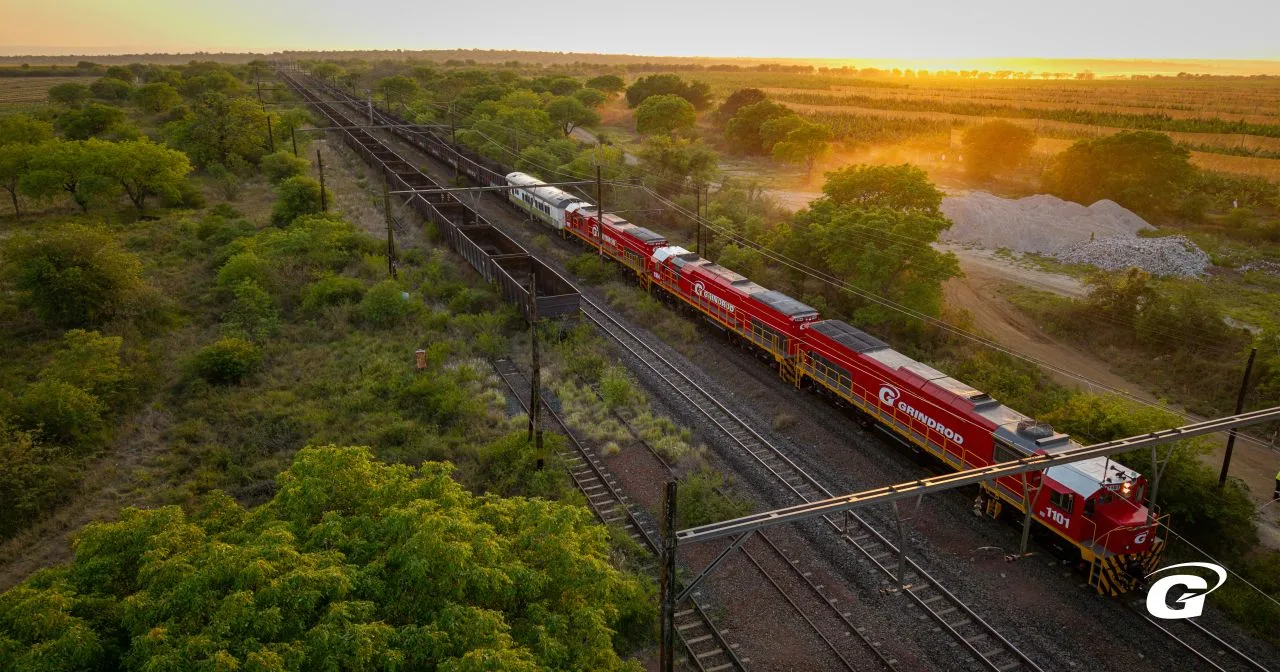
South African logistics group Grindrod has completed the first private freight train test on the country’s national railway network under its new open-access framework, marking a milestone in efforts to introduce private operators into the state-owned freight rail system.
The operation took place on the North-East Corridor on 1 and 2 November 2026 in cooperation with Transnet Rail Infrastructure Manager (TRIM), the division responsible for managing access to South Africa’s national railway infrastructure.
A train using locomotives and wagons owned by Grindrod departed Komatipoort in Mpumalanga without cargo on 1 November and returned the following day carrying 2,991 tonnes of freight.
The successful trial represents the first operation by a private Train Operating Company (TOC) on the national network under the new access arrangements. Commercial services have not yet commenced, with Grindrod targeting the beginning of regular operations in 2027.
Private rail operations linked to Mozambique exports
Grindrod plans to use its allocated capacity on the North-East Corridor to transport coal from Mpumalanga to its Matola dry bulk terminal in Mozambique, connecting South African mining operations with an established export gateway.
The company has secured two weekly train slots and expects to transport approximately 288,000 tonnes during its first year of commercial operations.
The planned service will use Grindrod’s own rolling stock, allowing the group to combine railway transportation with its existing terminal infrastructure and bulk logistics operations.
Following the rail movement, Grindrod confirmed that its team at the Matola terminal in Mozambique had safely discharged the coal cargo belonging to NG Global Energy Solutions. The operation demonstrated the coordination between private rail services, cross-border transportation and terminal handling, completing the logistics chain from South Africa’s inland rail network to the Mozambican export facility.
Grindrod’s Matola terminal is an important component of its southern African logistics network, handling bulk commodities transported from inland production areas to international shipping markets.
The company’s approach is intended to strengthen coordination between inland railway operations and maritime export facilities, while reducing reliance on arrangements involving multiple transport providers.
South Africa advances freight rail reform
The trial follows the signing of Rail Access Agreements between TRIM and 12 train operating companies, including Grindrod, under South Africa’s programme to open its freight railway network to third-party operators.
The reform allows eligible private companies to operate trains over infrastructure managed by Transnet, while the national railway network remains under public ownership.
The programme is designed to improve infrastructure utilisation, attract private investment and increase freight transportation capacity after years of operational challenges across South Africa’s rail system.
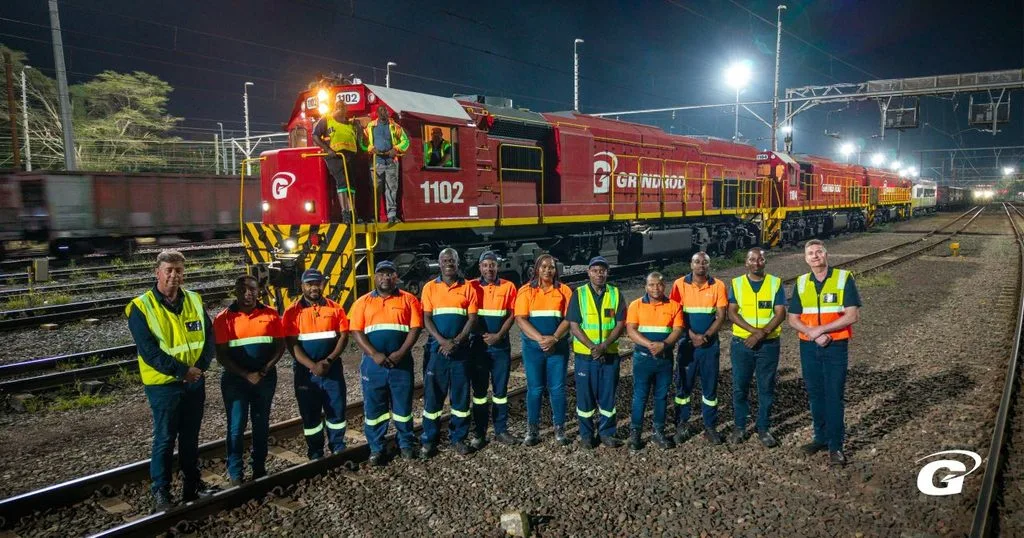
Before the successful test, Grindrod and TRIM completed a series of safety, regulatory and operational readiness procedures intended to support the introduction of private services.
“The successful completion of this test train is a landmark achievement for South Africa’s rail reform programme,” said Moshe Motlohi, Chief Executive of Transnet Rail Infrastructure Manager.
The trial provides an early demonstration of the open-access framework in operation. However, the start of regular commercial services will depend on the completion of the remaining operational and regulatory requirements.
Further capacity expansion under consideration
Grindrod intends to begin commercial operations with two weekly train slots, initially focusing on coal transportation.
According to the company’s plans, a potential third weekly slot could increase annual transport volumes to approximately 432,000 tonnes, subject to additional capacity allocation and customer demand.
For its initial commercial operations, Grindrod plans to use four locomotives and 50 wagons from its existing fleet. Further expansion could require additional rolling stock investment.
The company’s longer-term strategy includes increasing the integration of railway services with its port and terminal operations, allowing it to offer more comprehensive transport arrangements for bulk commodity customers.
Kwazi Mabaso, Group Chief Executive Officer of Grindrod, said the ability to combine rail operations with terminal infrastructure and the company’s existing corridor network would help improve the efficiency and reliability of freight logistics.
The successful test represents a step towards implementing South Africa’s freight rail reforms, although its wider impact on network capacity, transport costs and export performance will depend on the successful introduction and expansion of commercial operations.