Adani Cement begins electric truck deployment in India
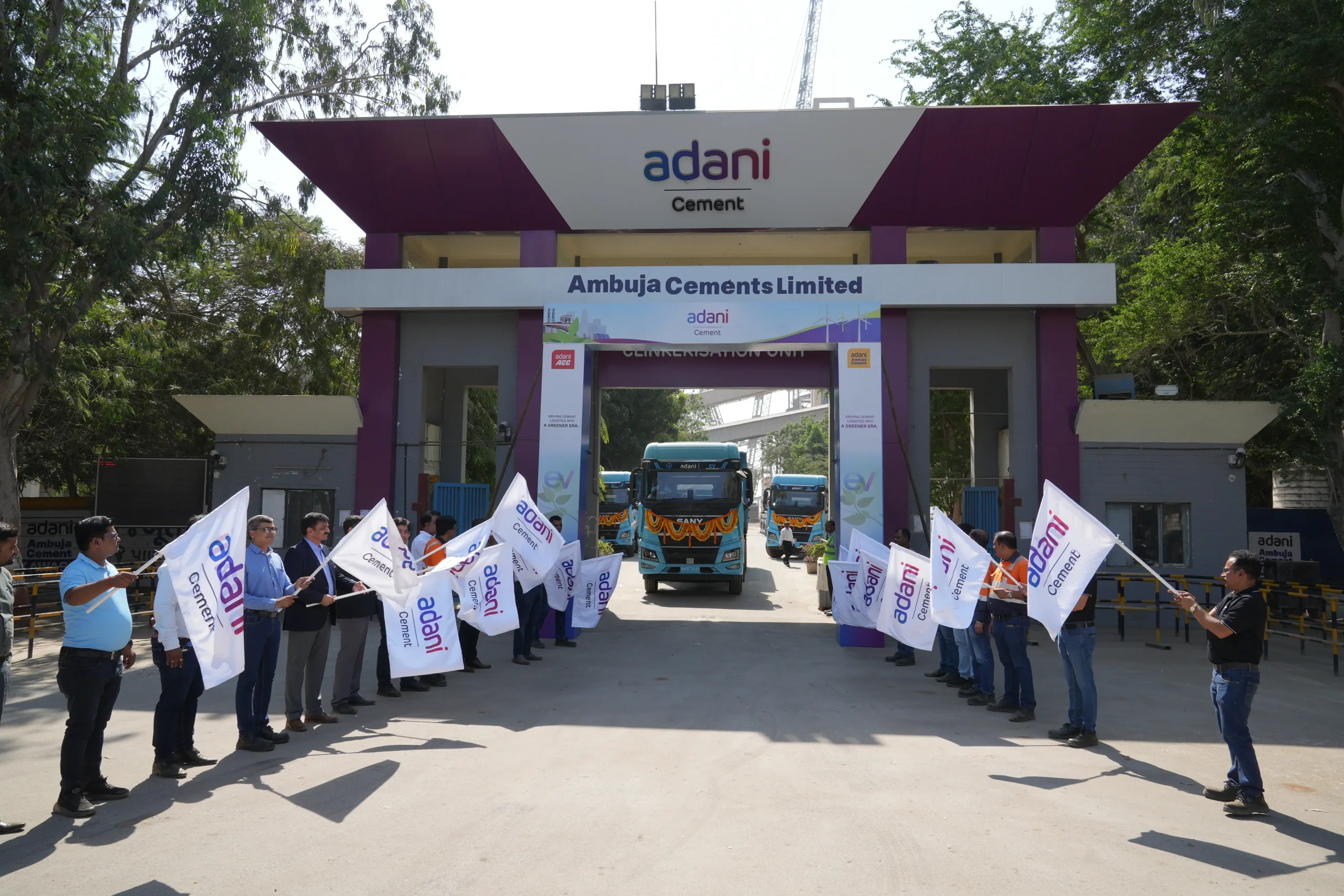
Adani Cement has begun deploying heavy-duty electric trucks for clinker and cement transportation at its Sanghi plant in Gujarat, marking the company’s first use of electric vehicles for these industrial freight operations.
The initiative, announced on 18 November 2026, forms part of a broader plan to introduce 410 electric trucks by March 2027, with deployment expected to expand across additional transport routes and manufacturing facilities in India.
The company aims to operate more than 2,000 electric trucks by 2030, targeting 10% of its road logistics volume through electric vehicles.
Electric trucks introduced for cement transport
The initial deployment at the Sanghi plant represents the first stage of Adani Cement’s transition towards electric heavy-duty transportation. The vehicles will be used for moving clinker and finished cement, two important cargo categories within the company’s domestic distribution network.
Adani Cement expects the planned 410-truck fleet to reduce annual carbon dioxide emissions by more than 25,000 tonnes, equivalent to approximately 11 million litres of diesel consumption. These figures represent projected reductions once the planned fleet is deployed, rather than savings already achieved.
The company has identified additional routes across India where electric trucks could replace conventional diesel-powered vehicles, although it has not disclosed the number of vehicles currently operating at Sanghi or the locations of subsequent deployments.
“The deployment at Sanghi is just the beginning. We have identified multiple routes across India for EV-based transport of clinker and cement,” said Vinod Bahety, CEO – Cement Business, Adani Group.
Bahety added that electrifying the company’s truck operations is intended to reduce emissions and limit its exposure to diesel price volatility.
Adani targets wider logistics electrification
Adani Cement said changing energy and vehicle costs have strengthened the economic case for heavy-duty electric trucks in India. According to the company, diesel prices have increased by approximately 60% over the past decade, while lithium-ion battery pack costs have fallen by around 70% and solar tariffs by 47%.
The company estimates that conventional diesel trucks emit approximately 0.7375 kilograms of carbon dioxide per kilometre. It also states that electric trucks powered by renewable electricity can eliminate these direct freight-related carbon dioxide emissions.
The expansion is intended to support reductions in transport-related Scope 3 emissions and contribute to Adani Cement’s longer-term decarbonisation plans.
Adani Cement, comprising Ambuja Cements and its subsidiaries ACC and Orient Cement, has an installed production capacity of 113.5 million tonnes per annum.
The company has established a target of achieving net-zero emissions by 2050, alongside investments in renewable energy and industrial decarbonisation technologies.
The latest electric truck deployment extends those efforts to road freight operations, where the transportation of raw materials, clinker and finished cement forms an important part of the company’s logistics activities.