Singapore Airlines cargo revenue climbs as fuel costs weigh on profits
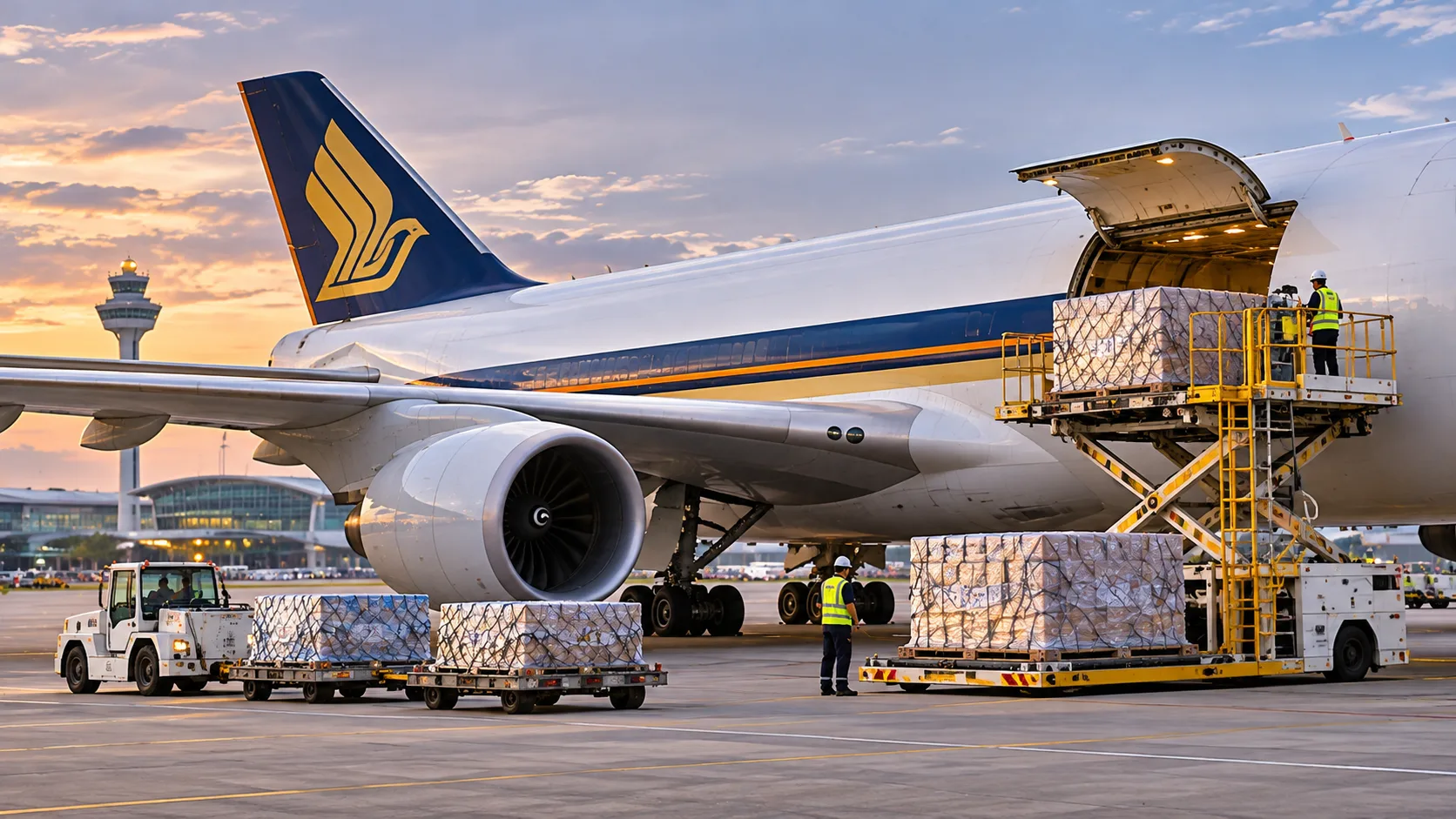
Singapore Airlines Group reported a sharp increase in air cargo revenue during the first half of its 2026/27 financial year, supported by higher freight yields and demand linked partly to disruptions in maritime shipping, although elevated fuel costs significantly reduced overall profitability.
For the six months ended 30 September 2026, the group generated total revenue of S$11.30 billion, an increase of 16.8% compared with the previous year. Net profit declined by 43.9% to S$134 million, while operating profit fell by 29.1% to S$569 million as higher jet fuel expenses outweighed revenue growth.
Cargo revenue increased by 30.2% to S$1.39 billion, compared with S$1.07 billion in the corresponding period of 2025. The growth was supported by a 25.4% improvement in cargo yields, reflecting stronger freight pricing across the group’s international network.
Air cargo benefits from stronger yields and shipping disruptions
Singapore Airlines and Scoot transported a combined 611,200 tonnes of cargo and mail during the first half, an increase of 5.7% year on year. Cargo traffic measured in tonne-kilometres rose by 4%, while available cargo capacity remained broadly unchanged.
The group’s cargo load factor improved by two percentage points to 58.5%, indicating higher utilisation of available freight capacity. The combination of stronger yields and improved load factors contributed to cargo revenue growth that substantially exceeded the increase in physical shipment volumes.
Singapore Airlines identified semiconductor shipments and cloud computing-related cargo as important sources of continuing air freight demand. It also reported that geopolitical and weather-related disruptions affecting maritime shipping had encouraged some cargo to shift towards air transport.
These developments supported freight pricing despite the challenging operating environment created by the conflict in the Middle East.
During the second quarter alone, cargo revenue increased by 26.9% to S$686 million, with yields rising by 22.3% and cargo loads increasing by 3.9%.
The group’s cargo network covered 139 destinations across 36 countries and territories at the end of September 2026.
Higher fuel prices reduce group profitability
The improvement in cargo revenue came as the airline group faced substantially higher operating costs, particularly for aviation fuel.
Average jet fuel prices reached US$171 per barrel during the six-month period, an increase of 86.7% compared with the previous year. Fuel expenses before hedging rose by 90.3% to S$4.71 billion.
Fuel hedging gains partially offset the increase, but net fuel costs still climbed by 56% to S$3.97 billion. Total group expenditure increased by 20.9% to S$10.73 billion, exceeding the rate of revenue growth.
Passenger operations also expanded during the period, with Singapore Airlines and Scoot carrying a record 21.8 million passengers, an increase of 5%. Passenger yields improved by 12.1%, contributing to passenger revenue of S$9.10 billion.
Nevertheless, stronger passenger and cargo earnings were insufficient to compensate fully for the additional fuel costs.
The group reported improved second-quarter results, with operating profit increasing by 16.3% to S$463 million and net profit reaching S$210 million, compared with S$52 million a year earlier.
This recovery followed a weaker first quarter and helped reduce the overall impact of higher fuel expenses on the six-month results.
Freighter operations and network development
As of 30 September 2026, Singapore Airlines operated seven dedicated freighters alongside its passenger fleet, while the wider group continued to develop its international aviation network.
The airline also extended its Boeing 777 freighter partnership with DHL Express. Under the arrangement, Singapore Airlines pilots will continue operating five Boeing 777 freighters based at Singapore Changi Airport on behalf of DHL Express, with the airline also responsible for aircraft maintenance oversight.
The partnership supports cargo connections between Asia-Pacific markets and the wider international express freight network.
Singapore Airlines also had seven Airbus A350 freighters on order at the end of September, forming part of its future fleet development programme.
The group’s latest financial results highlight the contrasting effects of disruption on international air cargo operations. While interruptions to maritime transport and demand for high-value technology shipments have supported freight rates and cargo revenue, the same geopolitical environment has contributed to higher aviation fuel costs.
Singapore Airlines expects cargo demand to remain firm but cautioned that sustained fuel price increases and geopolitical uncertainty could continue to affect operating expenses and international trade conditions.