UAE offers Saudi crude from attacked tanker for sale
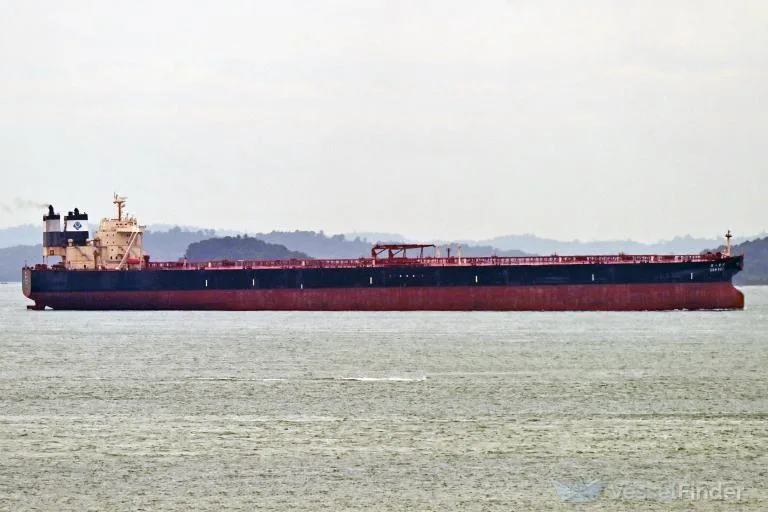
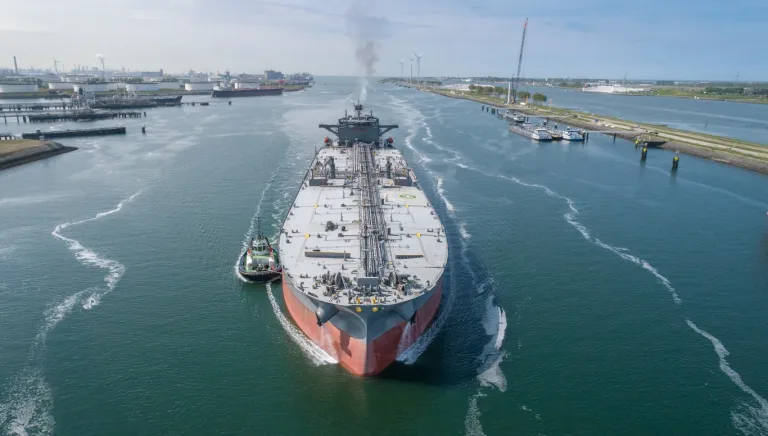
The United Arab Emirates has offered Saudi Arabian crude oil for sale from the tanker GEM NO. 2, which was attacked and subsequently leaked oil off the UAE coast in October, as regional producers continue efforts to maintain exports amid security threats in the Gulf.
According to Reuters, citing three trade sources and tender documents, the UAE Ministry of Energy has offered Saudi Arab Light crude for loading through a ship-to-ship transfer scheduled between November 10 and 20, 2026. The tender initially covered approximately 1.7 million barrels before the offered volume was revised to 1.87 million barrels.
The tender closed on Monday, November 9. However, the available information does not establish whether a buyer has been secured or whether the proposed transfer has been completed.
The cargo originates from the GEM NO. 2, which was struck by an unidentified projectile off the UAE coast in October. The incident caused an oil leak, prompting a response by local authorities and environmental agencies.
UAE authorities confirmed in late October that the leak had been stopped, although coastal cleanup and monitoring operations continued. The latest tender represents a further development in the handling of the vessel’s cargo following the incident.
Unusual arrangement amid Gulf shipping risks
Reuters reported that it is unusual for the UAE to market Saudi Arabian crude. One trade source indicated that Saudi Aramco had authorised the UAE to sell the cargo on its behalf, although neither Saudi Aramco nor the UAE authorities responded to the news agency’s requests for comment.
According to one source cited by Reuters, the commercial terms offered for the Saudi crude were similar to those used by Abu Dhabi National Oil Company (ADNOC).
The arrangement comes as oil exporters in the Gulf face heightened maritime security risks associated with attacks on commercial shipping around the Strait of Hormuz. These incidents have increased operational uncertainty for tanker operators and raised concerns over freight costs, vessel safety and potential environmental damage.
Trade sources also told Reuters that Saudi Arabia and the UAE have offered commercial incentives, including freight discounts, in an effort to attract buyers and sustain crude exports.
The proposed ship-to-ship transfer would allow the cargo to be marketed without relying on the damaged vessel to complete its original transportation arrangements. However, the tender documentation cited by Reuters does not confirm the receiving vessel, the precise transfer location or the final commercial outcome.
The development highlights the operational and commercial challenges facing crude oil shipments in the Gulf, where maritime security incidents are affecting not only vessel movements but also the handling and sale of cargoes following attacks.