COSCO Shipping Energy signs contracts for 10 new VLCC tankers
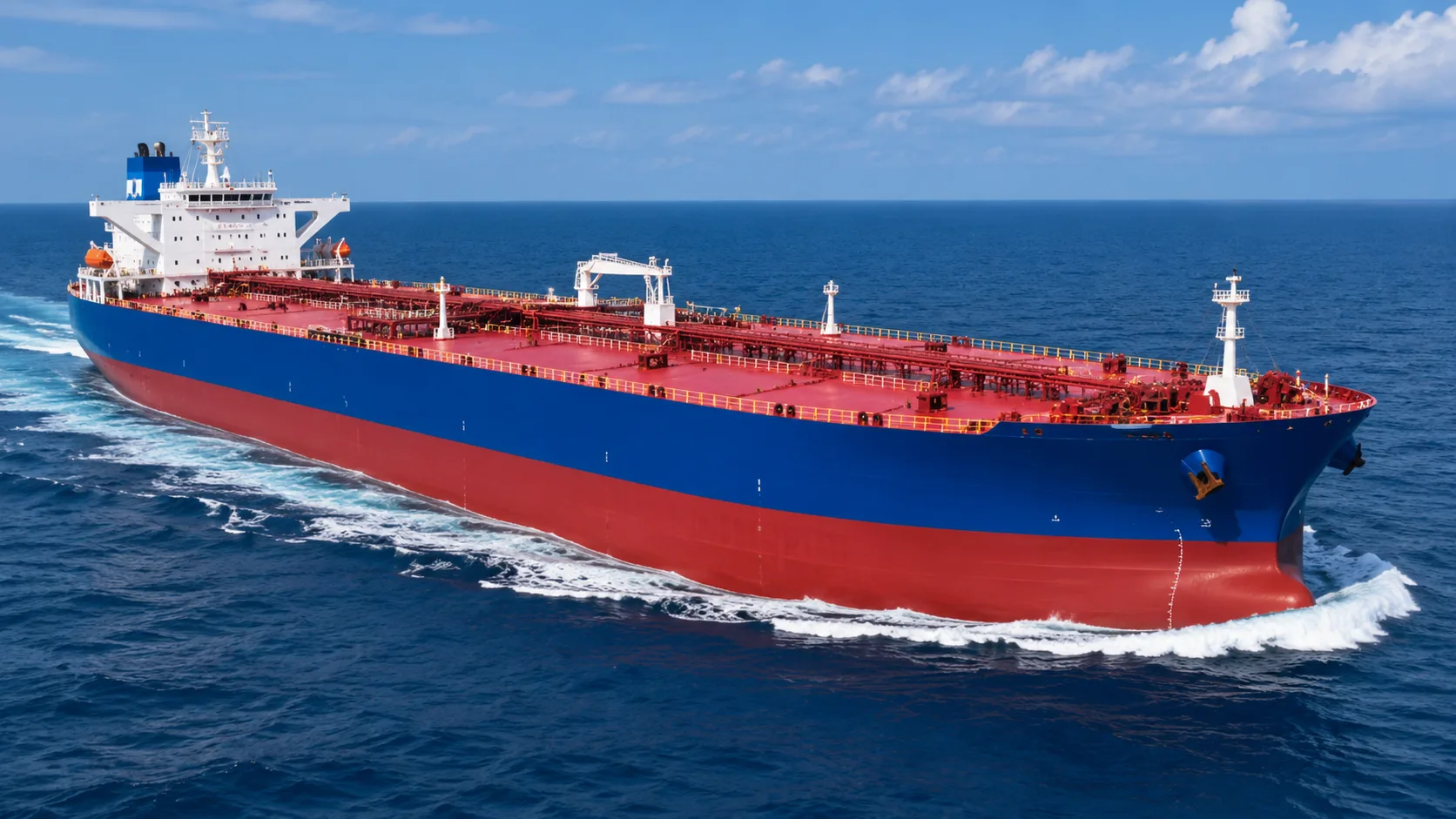
COSCO Shipping Energy Transportation has signed shipbuilding contracts for 10 new very large crude carriers (VLCCs) at two Chinese shipyards, expanding its future tanker capacity through a newbuilding programme valued at RMB 9.48 billion.
The agreements, signed on 9 November 2026 through its wholly owned subsidiary Hainan COSCO Shipping Energy Transportation, cover six VLCCs at COSCO Shipping Heavy Industry (Yangzhou) and four additional vessels at Dalian Shipbuilding Industry.
The combined estimated investment, including construction-period interest, supervision expenses and other capitalised costs, amounts to approximately RMB 9.57 billion. The new vessels are scheduled for delivery between 2029 and 2030.
The contracts form part of COSCO Shipping Energy’s strategy to expand its crude oil transportation capacity, renew its tanker fleet and strengthen its position in international energy shipping.
Orders divided between two Chinese shipyards
Under the first agreement, Hainan COSCO Shipping Energy Transportation has contracted COSCO Shipping Heavy Industry (Yangzhou) to construct six VLCCs for RMB 5.69 billion, including tax.
The total estimated investment for these vessels is approximately RMB 5.74 billion, with deliveries scheduled between August 2029 and November 2030.
The vessels will incorporate energy-saving and intelligent systems and will be LNG-ready, allowing for potential future adoption of LNG propulsion. This designation does not mean that the ships will be delivered with LNG dual-fuel engines.
The agreement constitutes a related-party transaction because the shipyard belongs to the wider COSCO Shipping group. Although it has received board approval, the contract remains subject to shareholder approval before becoming effective.
A separate agreement covers four VLCCs at Dalian Shipbuilding Industry, with a combined contract value of RMB 3.79 billion and an estimated total investment of RMB 3.83 billion.
These vessels are scheduled for delivery between September 2029 and May 2030. They will feature energy-saving and intelligent systems, alongside LNG/methanol dual-fuel-ready arrangements intended to support possible future propulsion upgrades.
Unlike the Yangzhou agreement, the Dalian transaction is not classified as a related-party transaction and does not require shareholder approval under the applicable listing rules.
Fleet renewal and financing arrangements
COSCO Shipping Energy intends to fund the newbuilding programme through a combination of internal resources and external financing, with shipbuilding payments divided into five instalments linked to construction progress.
The company has also approved a capital injection into Hainan COSCO Shipping Energy Transportation to support its investment activities.
The group said the additions are intended to improve the age profile and operating capabilities of its international crude oil tanker fleet, while increasing capacity available for seaborne oil transportation.
Both contracts contain provisions allowing adjustments to the purchase price if delivery schedules or agreed vessel performance requirements are not met. The buyer may also reject vessels if certain performance deviations exceed the contractual limits.
Construction of the 10 vessels has not yet commenced, and ownership will transfer to the purchasing subsidiary upon delivery.
Additional VLCC leasing programme announced
Alongside the shipbuilding contracts, COSCO Shipping Energy separately disclosed plans for the long-term bareboat charter of 14 new VLCCs from six Chinese financial leasing companies.
The proposed arrangements involve charter periods of up to 20 years and an aggregate maximum lease commitment of RMB 17.4 billion. They include LNG dual-fuel-powered vessels as well as conventionally powered tankers.
The leasing programme has received board approval but remains subject to shareholder approval. It is separate from the 10 directly contracted newbuildings and should not be treated as an additional shipbuilding contract signed with the two shipyards.
Together, the announcements outline a substantial expansion of COSCO Shipping Energy’s planned tanker capacity through a combination of direct ownership and long-term charter arrangements, with the timing and implementation of the programme dependent on the relevant approvals and construction schedules.