Dorian LPG reports record earnings as VLGC freight rates surge
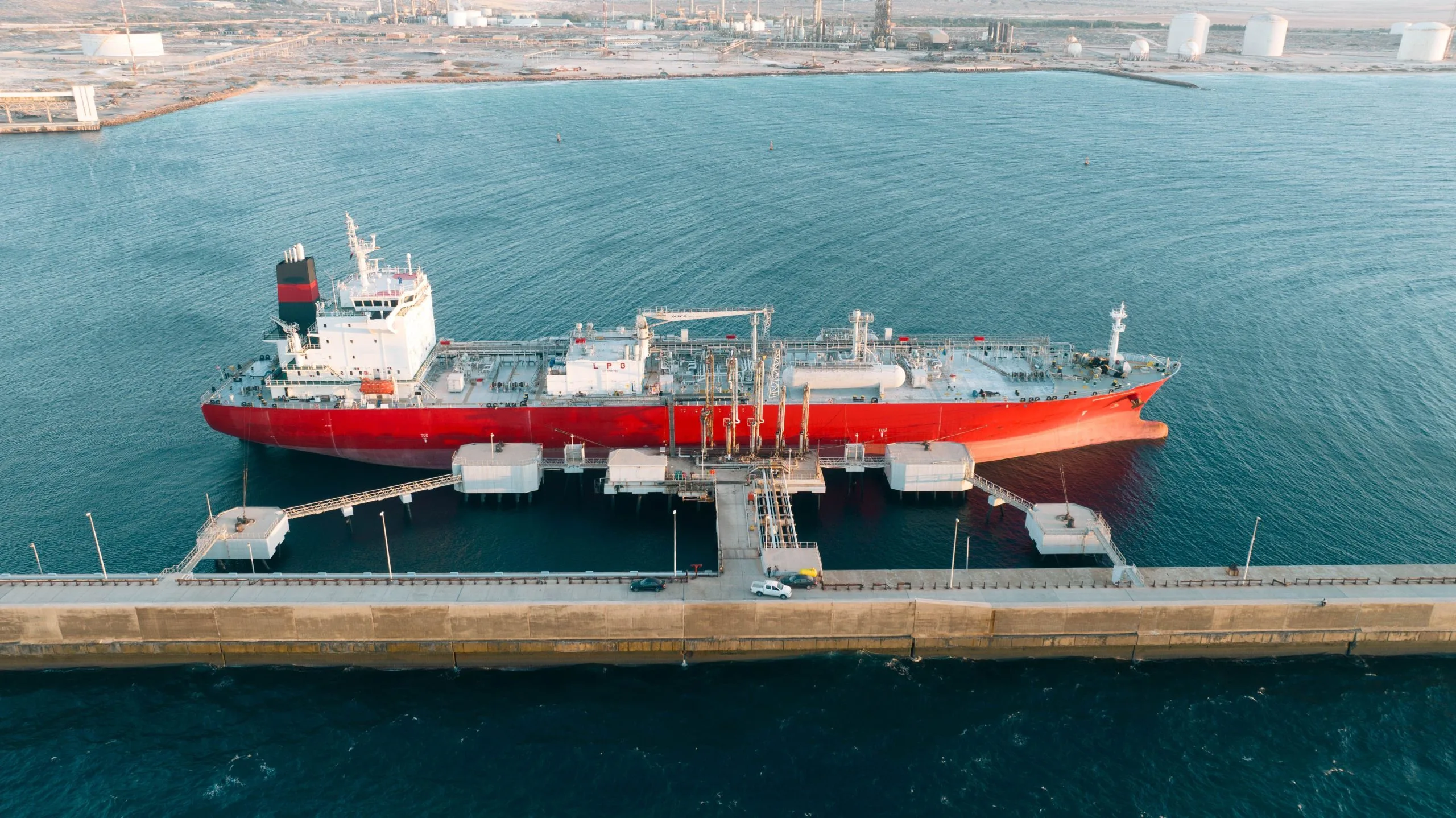
Dorian LPG reported record earnings for its second quarter of fiscal year 2027, supported by a sharp increase in very large gas carrier (VLGC) freight rates and gains from vessel disposals. The company also continued its fleet renewal programme, secured new financing arrangements and announced a further cash dividend to shareholders.
Net income reached US$213.9 million for the three months ended September 30, 2026, compared with US$55.4 million in the corresponding period of 2025. Adjusted net income increased to US$148.5 million from US$55.8 million, while revenues rose 78.4% to US$221.3 million from US$124.1 million. Adjusted EBITDA reached US$242 million, compared with US$85.7 million a year earlier.
The company’s average time charter equivalent (TCE) earnings increased 80.5% to US$96,990 per available day, compared with US$53,725 in the previous year. The improvement reflected significantly higher spot freight rates, partially offset by increased bunker costs, as disruptions to established LPG trading patterns continued to influence vessel availability and voyage distances.
John C. Hadjipateras, Chairman, President and Chief Executive Officer of Dorian LPG, attributed the results to strong freight markets and the company’s fleet investment strategy.
“The new highs in the freight market, together with gains from ship sales, are reflected in our record earnings again this quarter,” said Hadjipateras.
He also highlighted the company’s approach to fleet renewal, financing and operational safety amid heightened geopolitical risks affecting LPG shipping.
Freight markets benefit from longer trading routes
According to Dorian LPG, the effective closure of the Strait of Hormuz and disruptions to Middle Eastern LPG exports continued to influence freight markets during the third calendar quarter of 2026. Increased reliance on US cargoes to supply Asian markets, together with longer voyage distances and vessel repositioning, contributed to a tighter effective balance between shipping supply and demand.
The Baltic Exchange LPG index for the benchmark Ras Tanura–Chiba route averaged approximately US$229 per metric tonne during the quarter, compared with around US$190 in the preceding quarter and US$95 during the first calendar quarter of 2026. The company also identified higher war-risk insurance premiums, elevated bunker prices and Panama Canal congestion as factors affecting shipping costs and vessel deployment.
Chinese LPG imports recovered during the period, with July volumes exceeding 3.3 million metric tonnes. Dorian estimated that China’s total imports during the third quarter were approximately one million metric tonnes higher than in the previous quarter, providing additional support for long-haul LPG transportation.
At the same time, the company highlighted growing fleet supply as a longer-term consideration. Eight VLGCs entered service globally during the quarter, while approximately 160 VLGCs and very large ammonia carriers (VLACs), representing around 14.4 million cubic metres of capacity, were scheduled for delivery through 2030. The combined orderbook was estimated at 36.4% of the existing fleet.
Fleet renewal and vessel transactions
Dorian LPG continued restructuring its fleet through vessel disposals and newbuilding commitments. During July 2026, the company completed the sale of the 2014-built Corsair for net proceeds of US$80.8 million and the 2015-built Constellation for US$85.6 million.
The two transactions generated combined gains on disposal of approximately US$63.6 million, which contributed to the company’s reported quarterly net income. Excluding vessel disposal gains and unrealised derivative movements, adjusted net income amounted to US$148.5 million.
Following the end of the reporting period, Dorian completed two further VLGC disposals in October. The 2007-built Captain John NP was sold for net proceeds of US$77 million, while the 2015-built Clermont generated net proceeds of US$90.4 million.
The company also entered into shipbuilding contracts in August for three dual-fuel Panamax VLGCs at South Korea’s Hanwha Ocean. The vessels are scheduled for delivery during the second, third and fourth calendar quarters of 2030, forming part of Dorian’s longer-term fleet renewal and expansion strategy.
As of October 30, the company’s fleet comprised 17 VLGCs in its owned and bareboat-operated fleet, supplemented by five time-chartered-in vessels. Its commercial operations include participation in the Helios Pool.
Financing and shareholder distributions
Dorian LPG entered into a new credit arrangement comprising a US$213.4 million term loan and a US$155.1 million revolving credit facility. The financing was used to refinance existing indebtedness and includes an additional US$200 million accordion facility intended to support potential future growth.
The company also prepaid several existing financing arrangements during the quarter, including the 2023 amended and restated debt facility and financing associated with the Corsair and Cougar. Following the reporting period, it repaid a further US$16 million under its revolving credit facility.
Cash and cash equivalents stood at US$578.8 million at September 30, 2026, compared with US$327.4 million at the end of March. The company’s financial position was supported by stronger operating performance and proceeds from vessel disposals.
Dorian declared an irregular cash dividend of US$1.25 per share, representing an aggregate distribution of approximately US$53.7 million. Payment is scheduled for November 24, 2026, to shareholders of record as of November 9. The company had also paid an irregular dividend totalling US$42.8 million in August.
For the first six months of fiscal year 2027, Dorian LPG recorded net income of US$352.1 million, compared with US$65.5 million in the corresponding period of the previous fiscal year. Six-month revenues reached US$409.2 million, while average daily TCE earnings increased to US$86,021 from US$47,052.
The results demonstrate the substantial effect of freight market disruptions and longer LPG trading routes on VLGC earnings. While Dorian continues to benefit from elevated charter rates, the company’s outlook remains sensitive to geopolitical developments, changes in LPG trade flows and the growing global VLGC orderbook.