Nekkar’s Syncrolift secures largest contract in its history
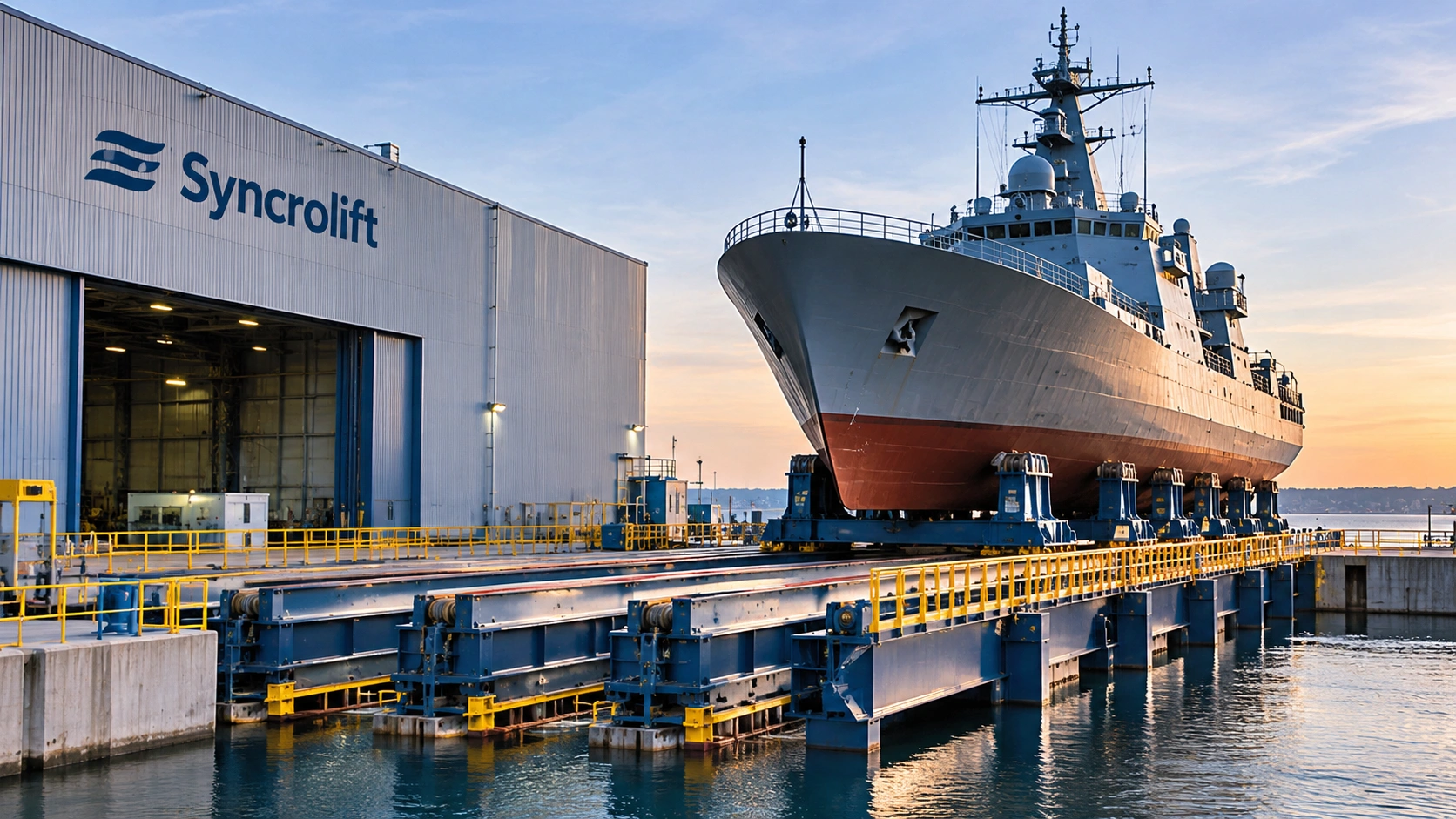
Nekkar ASA’s wholly owned subsidiary Syncrolift AS has secured the largest contract in its history, following an agreement with an undisclosed US-based customer for the design and supply of a shiplift system.
The Norwegian maritime technology group announced the award on November 4, describing it as a substantial contract, a classification Nekkar applies to agreements valued at more than NOK 800 million. The company did not disclose the precise contract value or the identity of the customer.
Work on the project will begin immediately, with final delivery scheduled for 2028. Further information regarding the scope and technical specifications of the installation is expected to be released at a later stage, subject to agreement with the customer.
“This is Syncrolift’s largest contract to date. The award confirms that Syncrolift’s technology and track record are competitive and strengthens the company’s position as the leading supplier of shiplift and transfer systems to naval and commercial shipyards worldwide,” said Ole Falk Hansen, Chief Executive Officer of Nekkar ASA.
Syncrolift specialises in shiplift and vessel transfer systems used by naval and commercial shipyards. These systems support the lifting, launching and movement of vessels between the water and shore-based facilities, forming part of the infrastructure used for shipbuilding, maintenance and repair operations.
The latest award represents a significant addition to Syncrolift’s project portfolio and expands its contracted activities in the United States. It also marks a major development for parent company Nekkar, whose operations include maritime technology and industrial solutions.
Although the customer and project location remain undisclosed, the contract’s scale and scheduled delivery timeline establish it as a substantial undertaking for Syncrolift over the coming two years.