Sallaum Lines secures $60 million Ro-Ro shipping contract extension
Sallaum Lines has secured a two-year extension of its roll-on/roll-off (Ro-Ro) shipping contract with a major American manufacturer, in an agreement valued at USD 60 million.
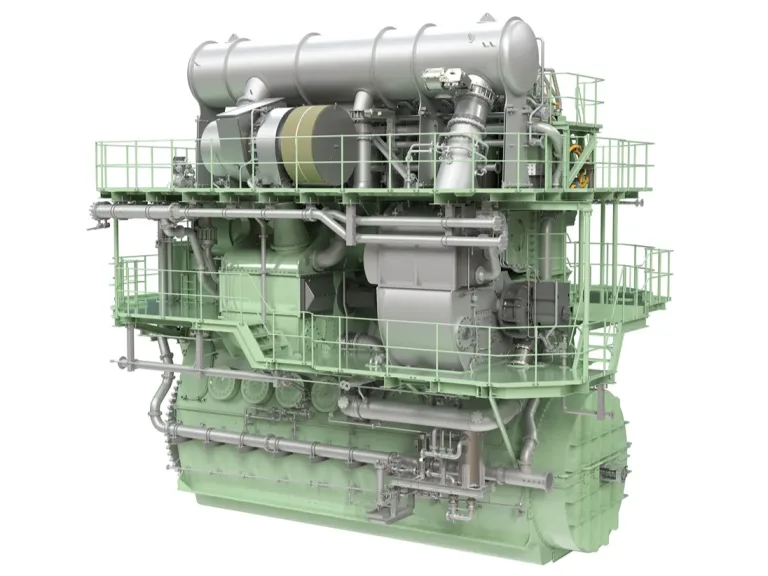
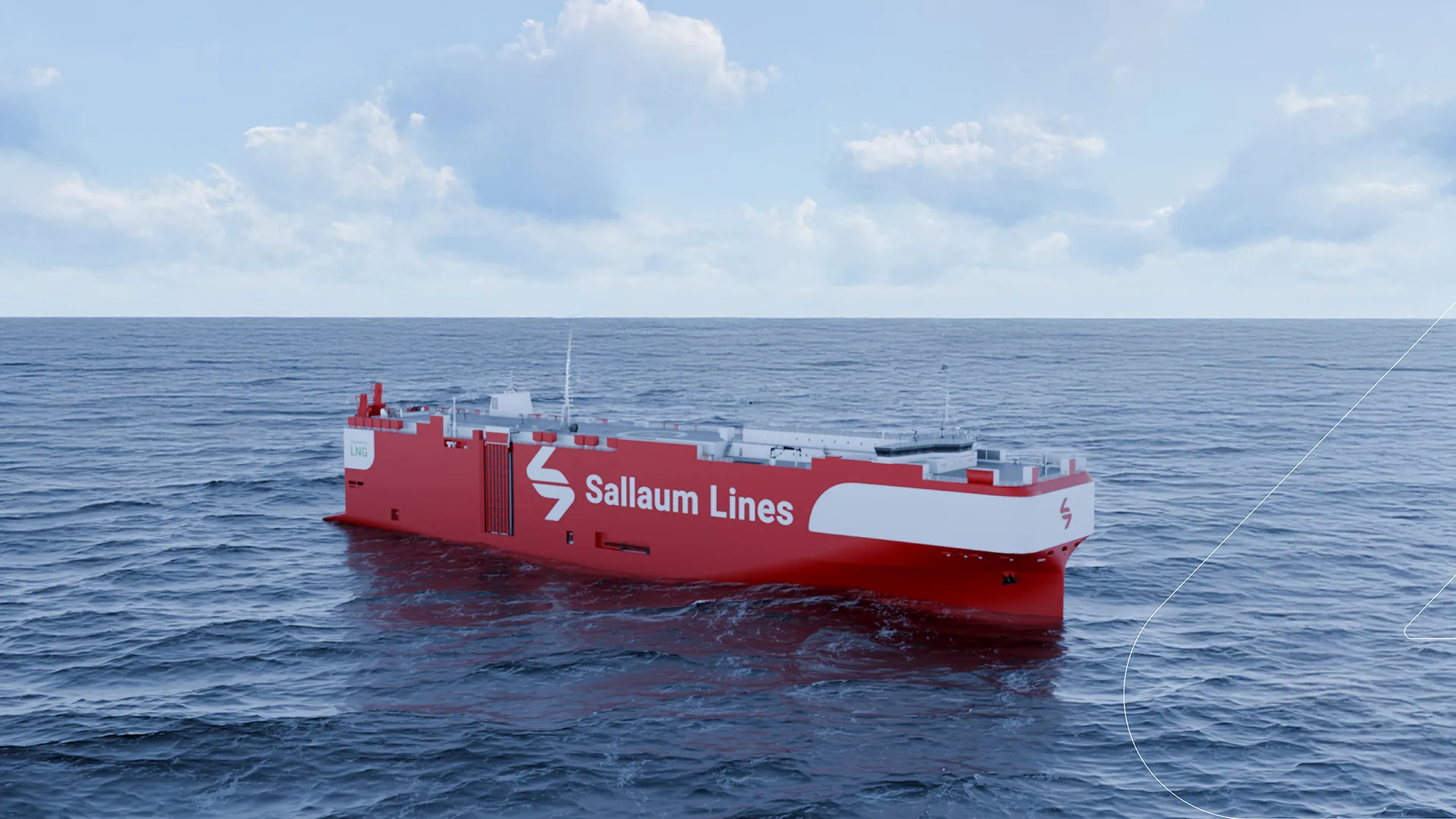
The contract extension will see the vehicle shipping company deploy vessels from its Ocean Class fleet on the service, using liquefied natural gas (LNG) as fuel to reduce emissions associated with the transportation of the customer’s cargo.
The agreement strengthens an existing commercial relationship and provides Sallaum Lines with continued business over the next two years. The company has not disclosed the identity of the manufacturer or the trade route covered by the contract.
Ocean Class vessels to serve extended contract
Under the renewed agreement, Sallaum Lines will introduce its Ocean Class vessels to the trade, combining Ro-Ro transport capacity with LNG-powered operations.
According to the company, burning LNG can produce up to 25% less carbon dioxide on board than conventional marine fuel when generating an equivalent amount of energy.
This comparison relates specifically to CO₂ emissions from fuel combustion on board. It does not represent a verified reduction in the vessels’ total lifecycle greenhouse gas emissions, which also depend on factors including methane emissions and the production and supply of fuel.
The deployment is intended to support the manufacturer’s cargo requirements while maintaining existing sailing schedules.
“We appreciate the trust this customer continues to place in our team. Introducing our Ocean Class vessels on this trade allows us to reduce emissions while maintaining the reliable sailing schedules the customer depends on,” said Sami Sallaum, Chairman of Sallaum Lines.
Contract extension strengthens automotive shipping business
The USD 60 million extension represents a further commercial commitment for Sallaum Lines in the international Ro-Ro shipping market.
The agreement also demonstrates the continued role of dedicated vehicle carriers in supporting manufacturers’ international supply chains, where cargo handling capabilities and reliable maritime connections remain important operational requirements.
Sallaum Lines has not disclosed the number of Ocean Class vessels to be assigned to the contract, the volume of cargo covered or the specific ports involved.
The company has also not provided a timetable for the vessels’ deployment or quantified the emissions reductions expected over the two-year contract period.
The extension nevertheless secures an existing customer relationship while introducing LNG-fuelled vessel capacity to the service, linking the company’s commercial shipping activities with its fleet development strategy.