Staalduinen Logistics deploys electric Scania for hazardous goods transport
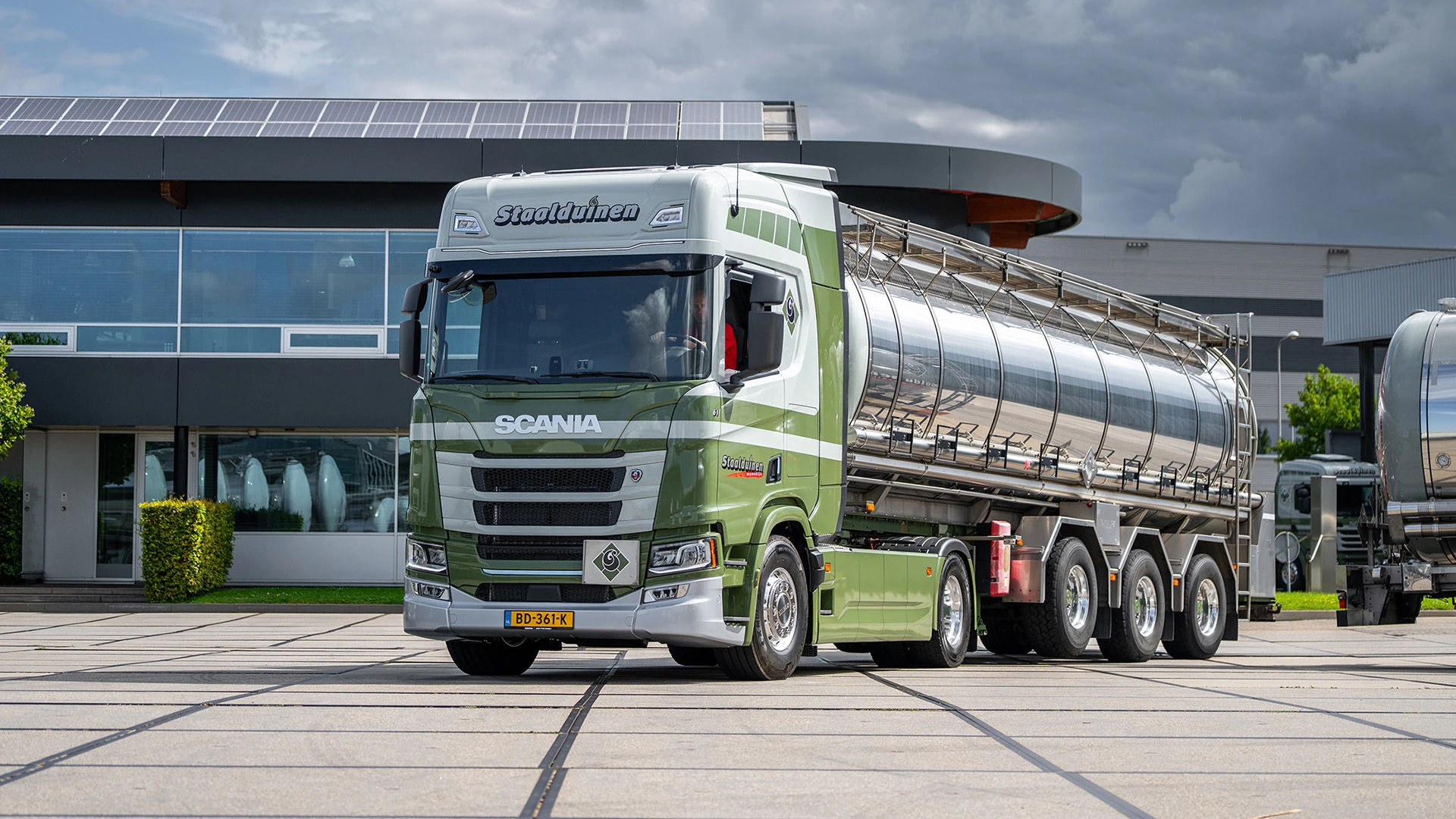
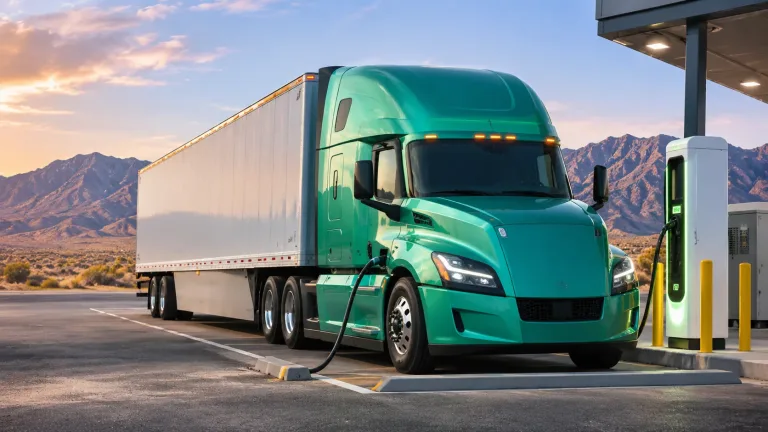
Dutch logistics operator Staalduinen Logistics has introduced its first fully electric truck, a Scania 40R 4×2 tractor equipped for the transport of hazardous materials, marking a new stage in the electrification of its specialised liquid transport operations.
The vehicle, announced by Scania on 19 November 2026, features a 535 kWh battery pack and ADR AT approval, enabling its use in applicable dangerous goods transport operations. It has already entered service on daily routes in the Netherlands, with the operator using the deployment to assess the practical requirements of electric tank transport.
Based in Maasdijk, Staalduinen Logistics operates approximately 70 tractor units and a larger fleet of trailers, providing liquid transport, storage and transshipment services across the Benelux region and several other European markets.
Electric truck enters specialised tank transport operations
The electric Scania was initially deployed in the Westland region before its operating area expanded towards Brabant and Limburg.
Staalduinen intends to use the vehicle across different transport assignments to evaluate battery performance, route suitability, vehicle weights and the energy requirements of equipment used during liquid cargo handling.
Unlike conventional road freight operations, the company’s activities frequently involve multi-compartment tank trailers carrying smaller quantities of different products for several customers on a single distribution round.
This operating model requires the vehicle to support not only road transport but also the equipment used for loading and unloading liquid products.
To accommodate these requirements, Staalduinen’s own workshop installed a compressor and hydraulic systems on the electric truck, with technical support from Scania Maasdijk.
The installation required a different approach from that used on diesel vehicles, particularly regarding available space and the integration of auxiliary systems.
ADR approval supports hazardous materials transport
ADR AT approval was a key requirement for the operator, which delayed its purchase until a suitable version of the electric Scania became available.
According to the company, the truck is primarily intended for hazardous goods transport, making regulatory approval an essential part of its introduction into daily operations.
The vehicle returns to the company’s Maasdijk base each evening, where it is recharged on site. Under normal operating conditions, intermediate charging is not required.
Staalduinen also uses electricity generated by its own solar panels when available, including periods when surplus generation can be directed towards charging the truck.
The operator is collecting operational data to understand how weather conditions, route selection and the use of compressors and other auxiliary equipment affect energy consumption and available driving range.
A second electric truck is already being prepared, although the company has not disclosed its specifications or delivery schedule.
The initial Scania 40R deployment will help Staalduinen assess future fleet investment decisions as it evaluates which specialised transport activities can be electrified.
The company has not disclosed the vehicle’s purchase cost, measured operating range or expected emissions savings.