Maersk reinstates inland transport surcharges as Rhine water levels decline
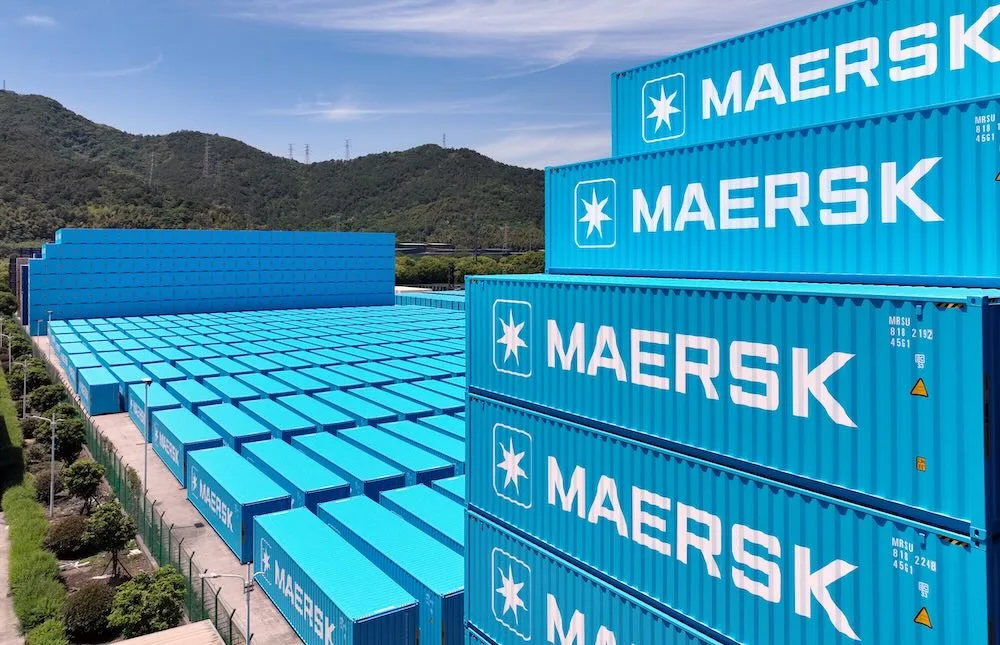
Maersk has reinstated contingency surcharges for container movements through two German inland terminals and updated its low-water charges in the Netherlands, as declining river levels continue to disrupt barge transportation across parts of Europe’s inland waterway network.
In three customer advisories published on November 9, 2026, the shipping company confirmed renewed operational difficulties at Andernach and Bonn on the Rhine, alongside restrictions affecting selected Dutch inland terminals. The measures apply to affected inland movements from November 3 and reflect additional costs associated with reduced barge capacity, alternative routing and cargo handling.
The latest developments follow a temporary improvement in Rhine conditions in late October, when Maersk announced the resumption of regular barge operations at Andernach and Bonn and withdrew the associated contingency charges. Renewed low water levels have now required the reintroduction of alternative transport arrangements.
Rhine disruptions trigger renewed contingency charges
At Andernach Inland Terminal, Maersk has reinstated a contingency surcharge of EUR 625 per container for affected import and export shipments. The charge applies to cargo moving through the terminal, including inland origins and destinations such as Polch and Eberhahn.
The company said alternative arrangements may involve discharging containers at other terminals and arranging additional transportation to their final inland destinations. These measures are intended to maintain cargo movements despite restrictions on regular barge services.
A separate surcharge of EUR 175 per container has been reinstated for affected import and export cargo moving through Bonn Inland Terminal. Alternative arrangements may include loading or discharging containers at other locations, including Emmerich, followed by onward transportation.
Both charges remain applicable until regular barge operations can be restored. Maersk emphasised that these contingency charges are separate from its existing Rhine Low Water Surcharge, which continues to apply under its previously announced methodology.
The distinction is significant for shippers, as affected cargo may incur additional contingency costs on top of the low-water charges already applicable to inland transportation.
Dutch inland terminals face revised low-water charges
In the Netherlands, Maersk has updated its Low Water Surcharge for barge transportation serving Hengelo, Almelo, Den Bosch, Nijmegen, Roermond, Venray-Wanssum and Doesburg.
The charges vary according to container size and water levels at designated measurement points, including IJsselkop–Twentekanaal, Sluis Engelen and the Waal.
For Hengelo and Almelo, the surcharge starts at EUR 25 for a 20-foot container, EUR 50 for a 40-foot container and EUR 60 for a 45-foot container when the relevant water level reaches 2.00 metres or below. At the lowest specified threshold of 1.50 metres or below, the respective charges increase to EUR 180, EUR 195 and EUR 200.
At Nijmegen, the surcharge ranges from EUR 25 to EUR 65 for 20-foot containers, EUR 50 to EUR 120 for 40-foot containers and EUR 60 to EUR 135 for 45-foot containers, depending on the applicable water-level threshold.
For Den Bosch, the published charges are EUR 15, EUR 30 and EUR 40 for 20-foot, 40-foot and 45-foot containers respectively, triggered by water levels of 2.60 metres or below at Sluis Engelen.
The revised Dutch charges remain in effect until water levels return to normal operating conditions.
Pressure on European inland logistics
Low water levels restrict the amount of cargo that inland barges can safely carry, potentially requiring additional sailings or alternative transportation arrangements to move the same container volumes.
The disruption has also affected the Twentekanaal, where drought-related navigation restrictions and a temporary closure have complicated inland transport connections in the Netherlands.
For shippers using inland terminals to connect with major seaports, the restrictions create additional uncertainty over transportation costs and delivery arrangements. The impact is particularly relevant for container flows that depend on barge services between coastal gateways and inland distribution centres.
Maersk said it would continue monitoring water levels and operational conditions, with further updates to be issued as circumstances change. The company has not provided a timetable for the full restoration of regular services at the affected German terminals.