PIL and Qingdao Port complete China’s first Bio-LNG bunkering for international shipping
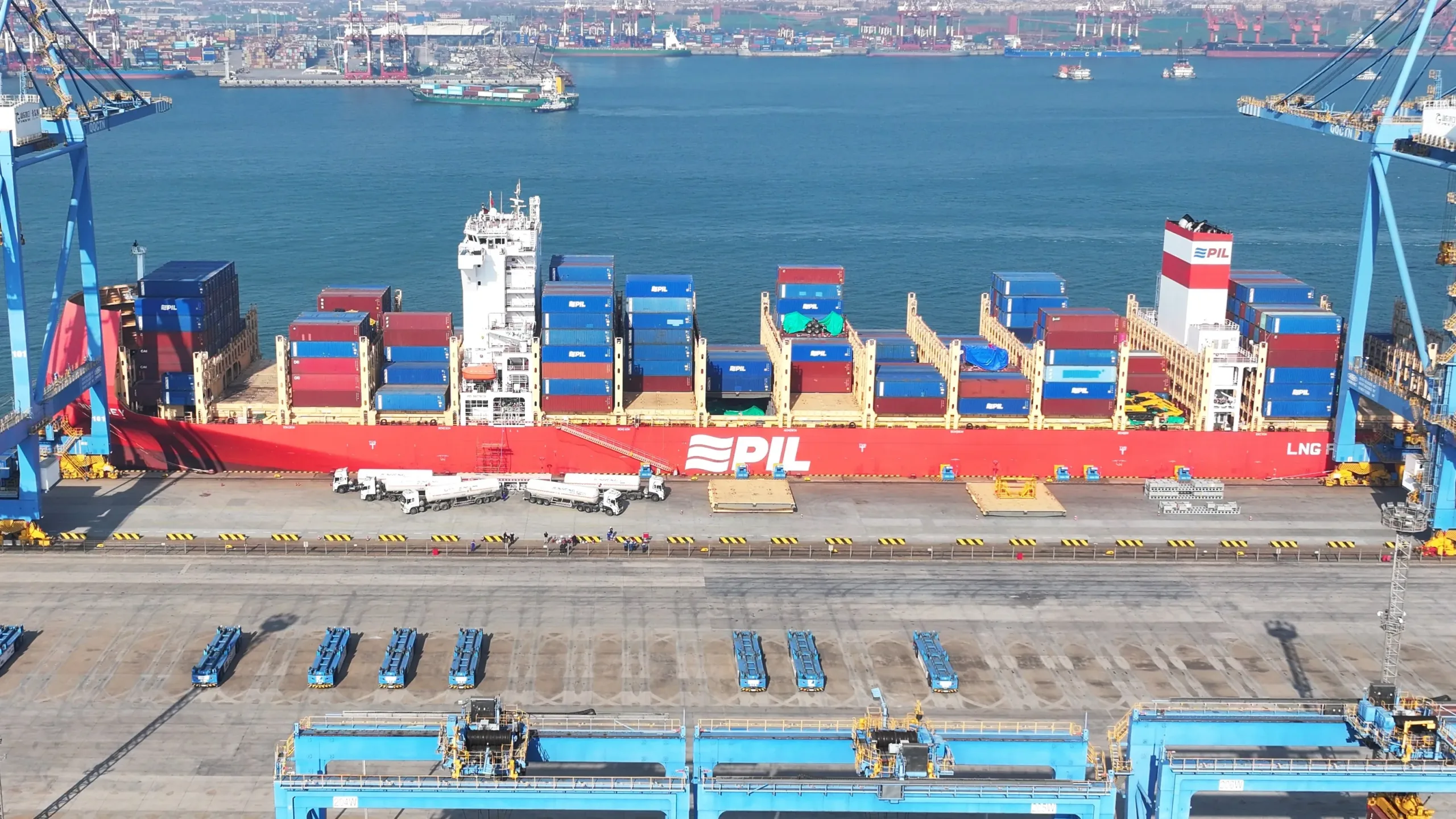
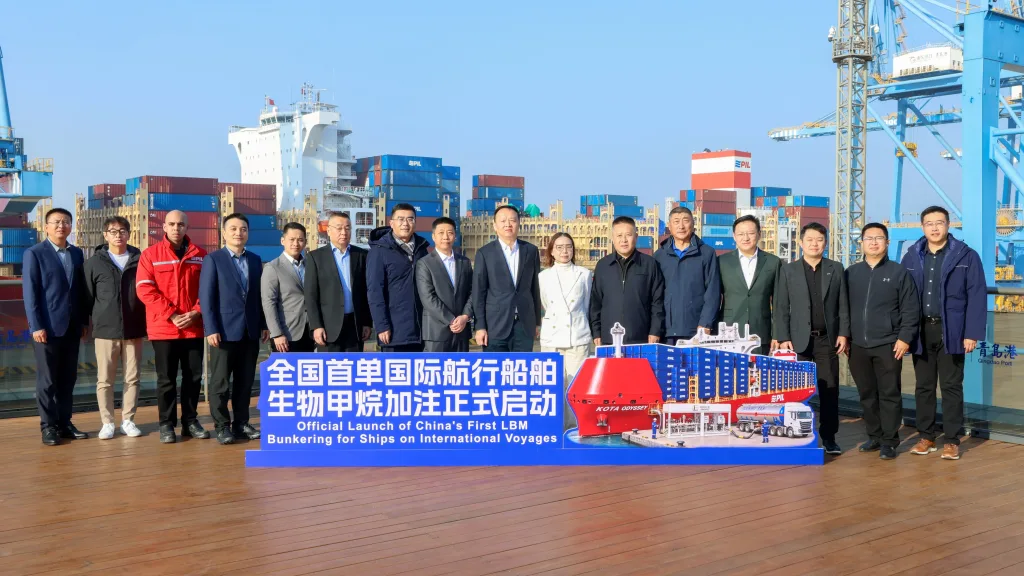
Pacific International Lines (PIL) and Qingdao Port Group have completed what they describe as China’s first liquefied biomethane (LBM) bunkering operation involving an internationally trading vessel, marking a new development in the country’s supply of renewable marine fuels.
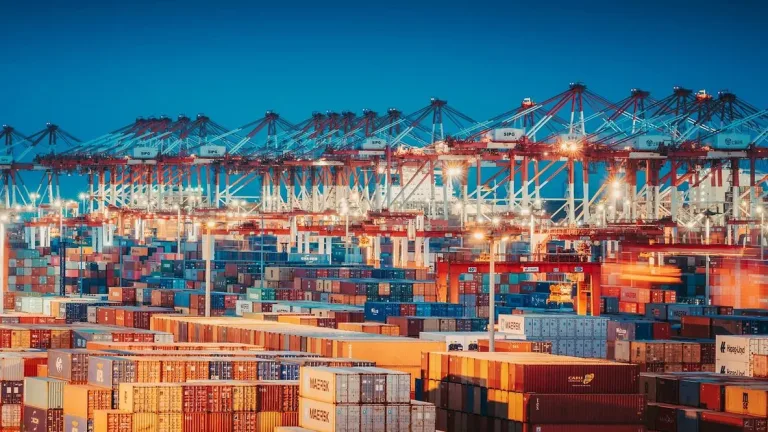
The operation took place at Qingdao Port’s QQCTN terminal, where PIL’s LNG dual-fuel container ship Kota Odysseyreceived ISCC-certified liquefied biomethane, also known as bio-LNG, through a truck-to-ship bunkering arrangement.
Announced on 25 November 2026, the operation also represents PIL’s first use of LBM as a marine fuel, extending the company’s alternative-fuel strategy beyond conventional LNG.
Bio-LNG supplied to Kota Odyssey at Qingdao
The bunkering operation demonstrates the use of liquefied biomethane in an existing LNG dual-fuel container vessel without requiring modifications to its machinery systems.
LBM is produced from organic feedstocks and can be used as a renewable alternative to fossil-based LNG, taking advantage of existing LNG fuel infrastructure and compatible propulsion technology.
According to PIL, the particular batch of ISCC-certified fuel supplied to Kota Odyssey is projected to reduce greenhouse gas emissions by more than 70% compared with conventional fuel oil on a well-to-wake lifecycle basis.
The company also estimates that the fuel can deliver greenhouse gas emissions reductions of approximately 70% compared with fossil LNG.
These figures represent projected lifecycle emissions reductions for the fuel, rather than measured reductions in the vessel’s total emissions.
The companies did not disclose the quantity of biomethane supplied during the operation.
Qingdao expands renewable marine fuel capabilities
The successful bunkering represents another development in Qingdao Port’s efforts to expand the availability of alternative marine fuels.
The port has previously handled other types of low-carbon and alternative marine fuels, including biofuel blends and methanol. The latest operation specifically concerns liquefied biomethane supplied to a vessel engaged in international shipping.
“This maiden biomethane bunkering service is a major milestone for China’s green shipping transition,” said Yijie Zhang, Head of the Energy Business Department at Ark Intelligence, Qingdao Port.
Zhang said the operation supports Qingdao’s development as a regional green bunkering hub and the expansion of renewable marine fuel options for international shipping companies.
The use of truck-to-ship bunkering also demonstrates one method of delivering renewable gas-based marine fuels to LNG-capable vessels.
PIL advances alternative-fuel fleet strategy
Delivered in 2024, Kota Odyssey is an LNG dual-fuel container vessel operating on PIL’s South West Africa Service (SWS), connecting Asia with West Africa.
The vessel forms part of PIL’s fleet renewal programme, which includes investments in LNG dual-fuel container ships designed to support the progressive adoption of lower-emission marine fuels.
According to the company, it has ordered 28 LNG dual-fuel newbuildings since 2022, providing a platform for introducing renewable fuels as commercial availability expands.
“With 28 newbuild LNG dual-fuel vessels ordered since 2022, we have the capability to progressively introduce lower-carbon fuels such as LBM into our fuel mix as these become more widely available,” said Abhishek Chawla, Chief Marine Officer at PIL.
The company sees bio-LNG as one option within a broader approach combining vessel modernisation, energy-efficiency technologies and the gradual introduction of alternative marine fuels.
The Qingdao operation provides a practical example of renewable biomethane being used in an LNG dual-fuel container vessel already operating on an international service.
However, PIL has not announced a timetable for regular LBM bunkering or the proportion of its future fuel requirements that could be supplied through biomethane.
The operation highlights the potential for collaboration between shipping companies, ports and fuel suppliers to support the development of renewable marine fuel supply chains.