Wärtsilä 25 engines selected for four Wagenborg EasyMax 2.0 vessels
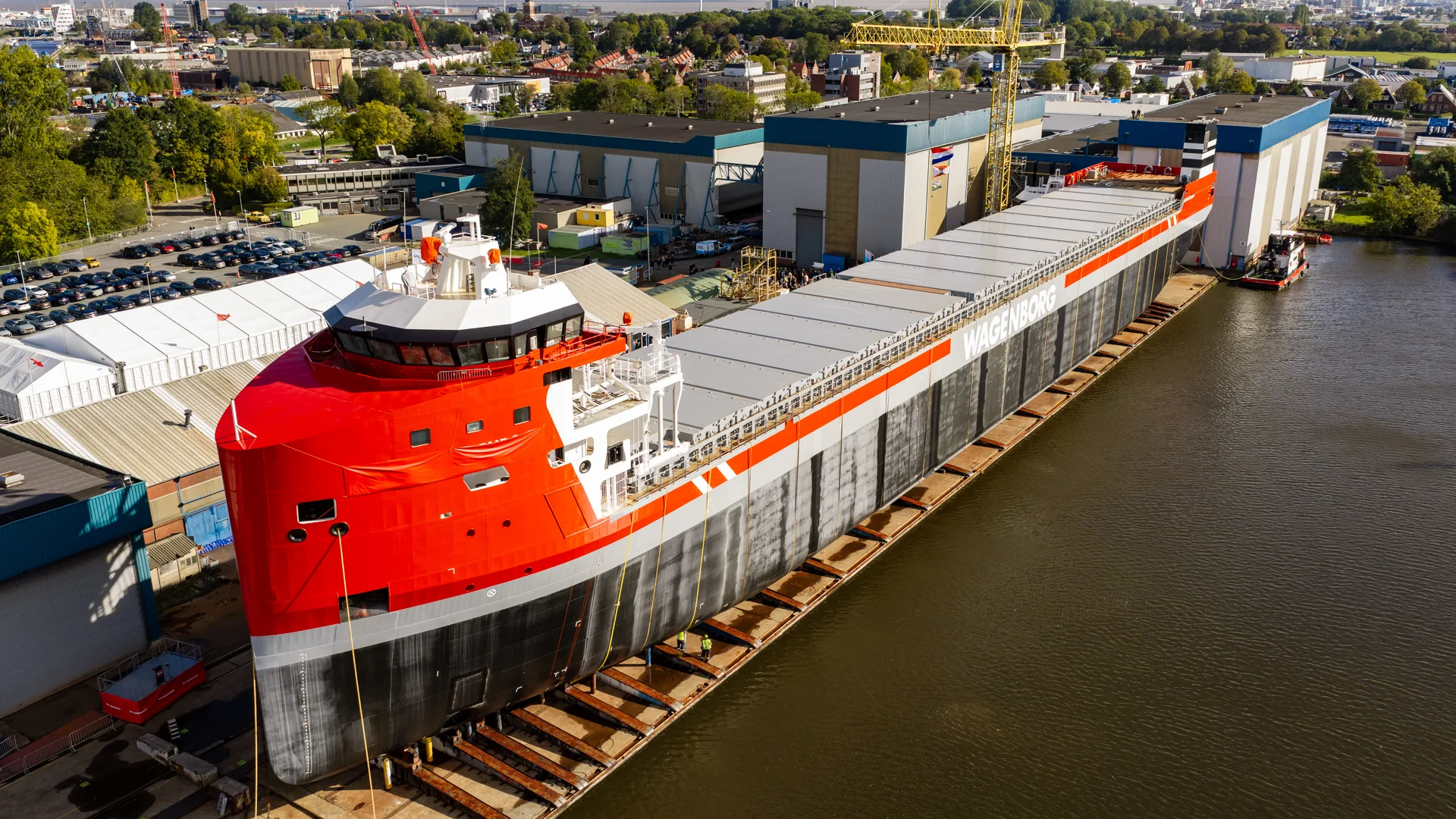
Wärtsilä has confirmed that its Wärtsilä 25 engine will power four additional EasyMax 2.0 general cargo vessels being built for Dutch shipping company Royal Wagenborg, providing further details of an engine supply agreement previously announced by the shipowner.
The four 14,000 DWT vessels are under construction at the Royal Niestern Sander shipyard in the Netherlands. They form part of Wagenborg’s six-vessel EasyMax 2.0 newbuilding programme, with Wärtsilä 25 engines also selected in 2025 for the first two ships in the series.
The latest engine order was booked by Wärtsilä in the fourth quarter of 2026, with equipment deliveries scheduled to begin in 2027.
Fuel flexibility supports future vessel operations
The Wärtsilä 25 was selected to support the EasyMax 2.0 design’s focus on fuel efficiency, operational reliability and future fuel flexibility.
According to Wärtsilä, the engine’s modular architecture allows for conversion to alternative low- and zero-carbon fuels as suitable fuel technologies and supply arrangements become commercially available.
The design provides Wagenborg with options for adapting its vessels to future fuel requirements without committing to a specific alternative fuel at the time of construction.
The company has not announced that the four vessels will operate on alternative fuels when delivered.
Niels Wage, Chief Executive Officer of Royal Wagenborg, said the new vessel generation represents an important stage in the company’s fleet renewal programme.
He highlighted the role of engine efficiency and fuel flexibility in supporting the long-term operational and environmental performance of the EasyMax 2.0 series.
SCR technology to reduce nitrogen oxide emissions
Each Wärtsilä 25 engine will be equipped with a NOx Reducer (NOR) exhaust after-treatment system based on Selective Catalytic Reduction (SCR) technology.
The system is designed to reduce nitrogen oxide emissions and support compliance with applicable environmental regulations.
Wärtsilä said the combination of engine efficiency and exhaust after-treatment technology is intended to reduce the environmental impact of vessel operations while maintaining operational performance.
The company has not disclosed specific fuel consumption savings or quantified emissions reductions for the four vessels.
Wagenborg continues fleet renewal programme
The latest contract builds on a longstanding relationship between Wärtsilä and Royal Wagenborg.
The Dutch shipowner operates more than 160 vessels, with Wärtsilä installations fitted on over half of its fleet.
The two companies also maintain a long-term service relationship covering engines and propulsion equipment.
Earlier EasyMax vessels were equipped with Wärtsilä 32 engines, while the EasyMax 2.0 generation incorporates the Wärtsilä 25 as part of its updated technical configuration.
Wagenborg originally announced the agreement for four fuel-flexible marine engines in October 2026. The latest confirmation from Wärtsilä provides additional information on the engine model, emissions control equipment and planned delivery schedule.
The development forms part of Wagenborg’s wider programme to renew its general cargo fleet with vessels designed for improved operational efficiency and future fuel adaptability.