Arc selected to supply power systems for DARPA’s unmanned ship
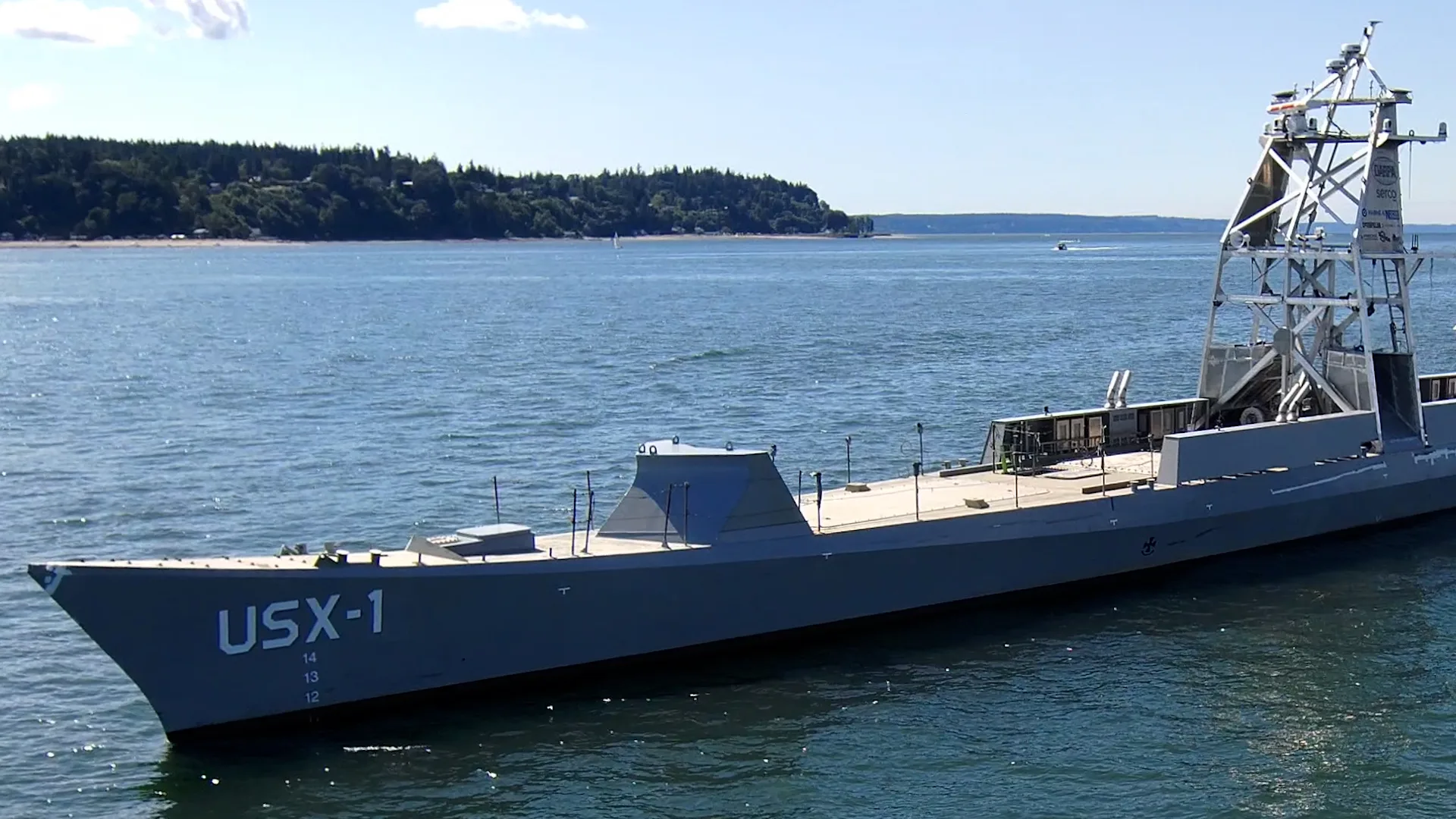
US marine technology company Arc has been selected to provide power management and electrical systems for USX-1 Defiant, an unmanned surface vessel developed under the Defense Advanced Research Projects Agency’s (DARPA) No Manning Required Ship (NOMARS) programme.
Announced on 24 November 2026, the funded agreement covers the integration of high-voltage power management hardware and software intended to support reliable vessel operations without an onboard crew.
The contract brings Arc’s experience in electric and hybrid-electric marine propulsion into a programme focused on developing vessels capable of operating autonomously for extended periods at sea.
Arc to develop autonomous electrical architecture
Under the agreement, Arc will develop and integrate the vessel’s electrical backbone, incorporating a fault-tolerant direct-current (DC) power architecture.
The system is designed to monitor electrical performance, diagnose potential failures and respond to certain faults without requiring direct human intervention.
It will also enable the remote startup of high-voltage electrical systems, reducing the need for personnel to be physically present during operational procedures.
According to Arc, these capabilities are particularly important for unmanned vessels, where onboard technical maintenance and troubleshooting cannot be performed by a conventional crew.
The company will also advise DARPA during system integration, contributing to the development of an electrical architecture intended to support future unmanned maritime applications.
“DARPA’s NOMARS program challenges many of the assumptions that have shaped vessel operation for generations,” said Ryan Cook, Co-Founder and Chief Technology Officer at Arc Boats.
Cook highlighted the importance of electrical reliability and autonomous fault recovery for vessels designed to remain at sea without personnel for extended periods.
USX-1 Defiant designed for extended unmanned operations
The USX-1 Defiant is a demonstrator developed under DARPA’s NOMARS programme to explore how ship design and operations can change when there is no requirement to accommodate personnel onboard.
The vessel measures approximately 180 feet in length and has a lightship displacement of 240 metric tonnes, according to DARPA.
Unlike conventional ships, Defiant has no crew accommodation, galley or onboard life-support facilities.
Arc states that the vessel is designed to support unmanned operations lasting up to 90 days, with the programme placing particular emphasis on system reliability and autonomous operation.
DARPA’s wider NOMARS initiative seeks to demonstrate the advantages of removing crew-related design constraints, including changes to vessel layout, maintenance requirements and operational endurance.
The Defiant completed construction in 2025 and has been undergoing testing and demonstrations as part of the programme.
Commercial electrification technology enters naval applications
Arc develops electric and hybrid-electric propulsion and power systems for recreational, commercial and defence vessels.
The company has previously announced projects involving electric and hybrid-electric tugboats, extending its technology beyond the recreational boating market.
Its selection for the NOMARS programme represents another application of its electrical engineering capabilities in maritime operations requiring high levels of reliability and automated control.
The latest agreement focuses on power management and system integration rather than construction of the vessel itself.
Arc has not disclosed the contract’s financial value or provided a timetable for completing its integration work.
The project illustrates the growing role of software-controlled electrical systems in autonomous maritime technology, particularly for vessels designed to operate without onboard personnel for extended periods.