MOL expects limited freight rate decline as shipping markets remain resilient
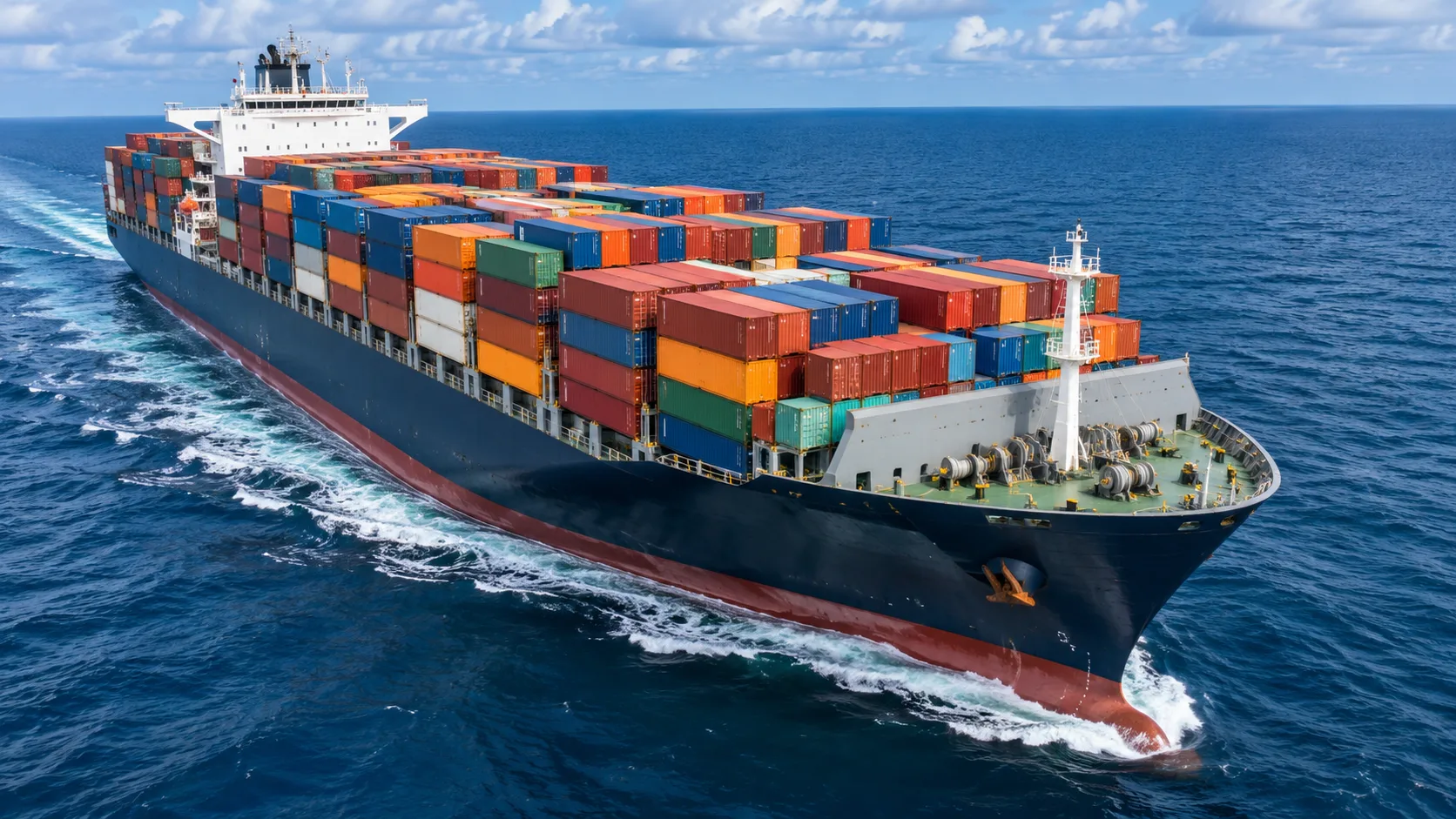
Mitsui O.S.K. Lines (MOL) expects container freight rates to remain relatively resilient towards the end of 2026, despite the seasonal slowdown in cargo demand, while stronger tanker markets continue to support the Japanese shipping group’s earnings outlook.
The assessment was provided by MOL’s management during its second-quarter FY2026 financial results briefing on 9 November, with a summary of the questions and answers subsequently published on 19 November.
The company also addressed the impact of Middle East shipping disruptions, changing energy procurement patterns and its approach to fleet expansion as market conditions evolve.
MOL sees support for container freight rates
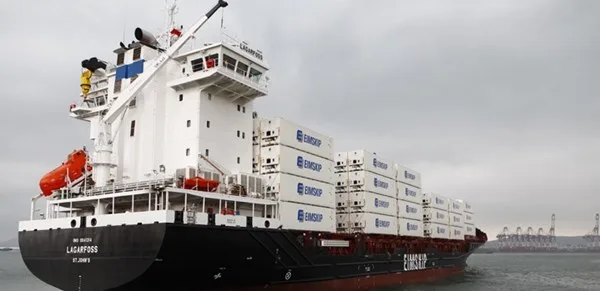
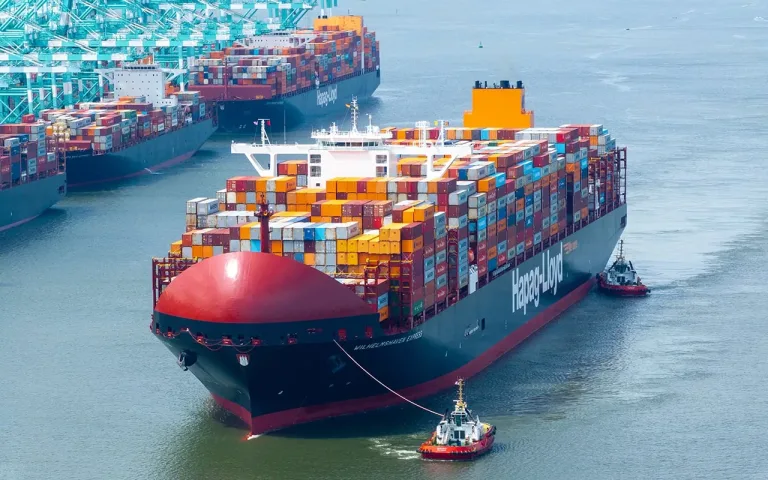
MOL Chief Executive Officer Jotaro Tamura said container freight rates increased sharply between July and September 2026, reflecting strong US import demand, Chinese exports and supply-side disruptions affecting vessel availability.
Weather-related delays and slower vessel turnaround contributed to tighter effective capacity during the period, supporting freight rates despite the broader seasonal fluctuations in container shipping.
Although cargo volumes and rates typically weaken during the second half of the fiscal year, MOL considers the current market stronger than previously anticipated.
The company does not expect a significant decline in freight rates during November and December, while cargo movements associated with preparations for the Chinese New Year are expected to begin from late December into January.
Looking towards FY2027, MOL identified several uncertainties, including potential changes in trade and economic conditions following the US midterm elections.
However, continued limitations in port infrastructure and disciplined capacity management by container shipping companies could provide additional support for freight markets.
The outlook remains conditional on future demand, effective vessel supply and the industry’s response to changing operating conditions.
Middle East disruptions continue to influence tanker markets
MOL also highlighted the impact of shipping disruptions in the Middle East on global energy transportation patterns.
According to Tamura, reduced shipments of crude oil, petroleum products and LNG from the Middle East have encouraged buyers to increase procurement from other regions.
The resulting changes in trading patterns have increased overall transportation demand and contributed to stronger freight market conditions.
The company believes future market developments will depend partly on the restoration of navigational freedom through the Strait of Hormuz and the Bab el-Mandeb Strait.
However, MOL expects some diversification of energy procurement sources to continue even if maritime access improves, as buyers seek to reduce exposure to supply chain disruptions.
For crude oil tankers, the company anticipates more favourable terms when certain medium- and long-term transportation contracts are renewed.
Chief Financial Officer Kazuya Hamazaki said the group’s tanker and LPG carrier operations have benefited from stronger spot market conditions, supporting an upward revision to the Energy Business earnings forecast.
Nevertheless, MOL has adopted conservative tanker market assumptions for the remainder of FY2026, recognising the possibility of further volatility and avoiding the assumption that current freight rate levels will persist.
Fleet strategy remains focused on flexibility
Despite favourable market conditions across several shipping segments, MOL does not intend to pursue unrestricted fleet expansion.
Tamura said the group plans generally to maintain its current fleet size while evaluating additional vessels according to market developments and commercial opportunities.
Ships ordered under the first phase of MOL’s BLUE ACTION 2035 management plan are scheduled to enter service progressively from the second half of FY2026 through FY2028.
The company expects these deliveries to improve the competitiveness of its fleet while providing flexibility to respond to changes in demand.
MOL also indicated that higher charter rates and secondhand vessel prices have not altered its ongoing asset replacement programme, which includes the planned sale of older vessels.
Car carrier earnings face fuel cost pressures
The company’s management also addressed weaker earnings expectations in the vehicle transportation business.
According to Hamazaki, higher bunker fuel costs have affected profitability, while the recovery of these expenses through Bunker Adjustment Factor mechanisms will largely occur from the following fiscal year.
This creates a timing difference between the recognition of additional fuel expenses and their recovery through freight charges.
Lower fleet deployment efficiency has also contributed to the pressure on results.
The management commentary illustrates the contrasting conditions across shipping sectors, with container and tanker markets benefiting from stronger freight rates while vehicle carriers continue to face elevated operating costs.
For MOL, the outlook for the coming months remains closely linked to the development of global trade demand, Middle East maritime access and the ability of shipping companies to manage capacity and operating expenses.